Struggling with high cholesterol and looking for natural solutions?
High cholesterol is a silent threat affecting millions, often leading to serious cardiovascular issues if left unaddressed. While conventional medicine offers powerful solutions, many individuals seek complementary, natural approaches to manage their lipid profiles and overall heart health, especially when coupled with excess weight.
The good news is that significant improvements can be made through evidence-based lifestyle interventions and natural remedies, empowering you to take control of your health journey.
Understanding High Cholesterol and Its Impact
Before diving into natural treatments, it's crucial to understand what high cholesterol is and why it poses a risk to your health, particularly when combined with excess weight.
Cholesterol is a waxy, fat-like substance found in all your body's cells. Your body needs cholesterol to make hormones, vitamin D, and substances that help you digest food. While cholesterol is essential, too much of certain types can be detrimental. We primarily talk about two types: Low-Density Lipoprotein (LDL), often dubbed "bad" cholesterol, and High-Density Lipoprotein (HDL), known as "good" cholesterol.
High LDL cholesterol contributes to fatty buildups in your arteries (atherosclerosis), narrowing them and increasing the risk of heart attack, stroke, and other cardiovascular diseases. Conversely, HDL cholesterol helps remove excess cholesterol from your body, preventing it from accumulating in the arteries. When your LDL levels are too high, and/or your HDL levels are too low, your risk of heart disease escalates significantly.
Adding to this complexity is the issue of excess weight. Obesity, especially abdominal obesity, is strongly linked to unhealthy cholesterol levels. It tends to increase LDL cholesterol and triglycerides (another type of fat in the blood) while decreasing beneficial HDL cholesterol. This creates a dangerous metabolic environment that accelerates the progression of heart disease. Addressing both high cholesterol and excess weight concurrently is often the most effective strategy for improving long-term cardiovascular health.
Many factors contribute to high cholesterol, including genetics, diet, lack of physical activity, smoking, and certain medical conditions. While some factors are beyond our control, a significant portion of the risk can be mitigated through conscious lifestyle choices, making natural interventions a powerful tool in your health arsenal.
💡 Key Takeaway
High LDL cholesterol and excess weight are major risk factors for heart disease. Understanding these connections empowers you to make targeted lifestyle changes that can naturally improve your lipid profile and overall cardiovascular health.
The Power of Diet: Eating Your Way to Lower Cholesterol
Your diet is perhaps the most influential factor in managing cholesterol levels naturally. What you eat directly impacts your body's cholesterol production and how it processes fats.
Embrace Soluble Fiber
Soluble fiber plays a crucial role in lowering LDL cholesterol. It binds to cholesterol in your digestive system, preventing its absorption and aiding its excretion. Excellent sources include oats, barley, beans, lentils, apples, citrus fruits, and psyllium husk. Aim for 5-10 grams of soluble fiber daily to see significant reductions.
Choose Healthy Fats Wisely
Not all fats are created equal. Focus on monounsaturated and polyunsaturated fats, which can help lower LDL cholesterol. Incorporate foods like avocados, olive oil, canola oil, nuts (almonds, walnuts), and seeds (chia seeds, flaxseeds). Omega-3 fatty acids, found in fatty fish like salmon, mackerel, and sardines, are particularly beneficial for heart health and can lower triglycerides.
Limit Saturated & Trans Fats
Saturated fats, found in red meat, full-fat dairy, and many processed foods, directly raise LDL cholesterol. Trans fats, often found in fried foods and baked goods, are even worse, as they raise LDL and lower HDL. Reading food labels and opting for leaner protein sources and low-fat dairy can make a big difference.
Incorporate Plant Sterols and Stanols
These plant compounds block the absorption of cholesterol in the small intestine, leading to lower LDL levels. They are naturally present in small amounts in nuts, seeds, fruits, and vegetables, and are often added to fortified foods like certain margarines, yogurts, and orange juice. Consuming 2 grams daily can reduce LDL cholesterol by up to 10%.
Eat a Rainbow of Fruits and Vegetables
Rich in antioxidants and fiber, fruits and vegetables protect against oxidative damage to LDL cholesterol, which is a key step in plaque formation. Aim for a wide variety to ensure you're getting a broad spectrum of nutrients that support overall cardiovascular health.
Reduce Dietary Cholesterol (with caveats)
While dietary cholesterol was once heavily scrutinized, research now shows that for most people, saturated and trans fats have a greater impact on blood cholesterol. However, for those sensitive to dietary cholesterol, reducing high-cholesterol foods like organ meats and shrimp might still be beneficial, especially when overall dietary quality is poor.
Exercise: Move More, Live Healthier
Physical activity is another cornerstone of natural cholesterol management and weight loss. Regular exercise can significantly improve your lipid profile, regardless of whether you lose weight.
Exercise helps lower LDL cholesterol and triglycerides while boosting beneficial HDL cholesterol. It also helps with weight management, reduces blood pressure, improves insulin sensitivity, and strengthens your heart muscle. The key is consistency and finding activities you enjoy.
Types of Exercise for Cholesterol Reduction:
- Aerobic Exercise: Activities that get your heart rate up and make you breathe harder are excellent. Aim for at least 150 minutes of moderate-intensity aerobic activity or 75 minutes of vigorous-intensity activity per week. Examples include brisk walking, jogging, swimming, cycling, dancing, or using an elliptical machine.
- Strength Training: Incorporating strength training exercises at least twice a week can help build muscle mass, which boosts your metabolism and aids in weight management. This can include lifting weights, using resistance bands, or bodyweight exercises like push-ups and squats.
- High-Intensity Interval Training (HIIT): Short bursts of intense exercise followed by brief recovery periods can be very effective for improving cardiovascular fitness and burning calories, potentially leading to better cholesterol outcomes.
Even small changes can make a difference. Taking the stairs instead of the elevator, parking further away, or going for a short walk during your lunch break all contribute to a more active lifestyle. Remember to consult your doctor before starting any new exercise regimen, especially if you have existing health conditions.
Weight Management: A Dual Benefit for Heart Health
The link between excess weight and high cholesterol is undeniable. Losing weight, even a modest amount, can have a profound positive impact on your lipid profile and overall cardiovascular health.
Reduce LDL & Triglycerides
Shedding excess pounds, particularly visceral fat (fat around your organs), can directly lead to a reduction in "bad" LDL cholesterol and triglycerides. This is because excess fat tissue, especially in the abdominal area, produces inflammatory compounds that can negatively affect lipid metabolism.
Boost HDL Cholesterol
Weight loss is one of the most effective ways to increase your "good" HDL cholesterol levels. Higher HDL helps remove cholesterol from your arteries, reducing the risk of plaque buildup. Even a 5-10% reduction in body weight can significantly improve HDL levels.
Improve Blood Pressure
Excess weight often goes hand-in-hand with high blood pressure, another major risk factor for heart disease. Losing weight can help lower blood pressure, further reducing the strain on your cardiovascular system and improving overall heart health.
Enhance Insulin Sensitivity
Obesity can lead to insulin resistance, which is associated with higher triglyceride levels and lower HDL cholesterol. Weight loss improves insulin sensitivity, helping your body process sugars and fats more efficiently, thereby positively impacting your lipid profile.
Focus on sustainable weight loss strategies that combine dietary changes with regular physical activity. Crash diets often lead to temporary results and can be detrimental to your health. Instead, aim for a gradual, consistent weight loss of 1-2 pounds per week through a balanced, calorie-controlled diet and increased physical activity. For more in-depth information on managing your weight and its impact on your heart, you might find our article on Prevention Tips for High Cholesterol and Heart Disease particularly helpful.
Stress Reduction and Other Lifestyle Factors
Beyond diet and exercise, other lifestyle elements play a significant role in managing cholesterol and supporting overall heart health.
Manage Stress Effectively:
Chronic stress can indirectly impact cholesterol levels. When you're stressed, your body releases hormones like cortisol, which can lead to increased blood sugar, inflammation, and unhealthy eating habits, all of which can negatively affect your lipid profile. Finding healthy ways to manage stress is vital:
- Mindfulness and Meditation: Regular practice can reduce stress hormones and promote a sense of calm.
- Yoga and Tai Chi: These practices combine physical movement with mindfulness, offering both stress reduction and gentle exercise.
- Adequate Sleep: Poor sleep can disrupt metabolic processes and contribute to weight gain and inflammation, indirectly affecting cholesterol. Aim for 7-9 hours of quality sleep per night.
- Social Connections: Strong social ties and a supportive community can buffer the effects of stress.
Quit Smoking and Limit Alcohol:
Smoking severely damages blood vessels and significantly lowers HDL cholesterol, while also increasing LDL. Quitting smoking is one of the most impactful steps you can take for your heart health. Excessive alcohol consumption can also raise triglyceride levels and contribute to weight gain. If you drink, do so in moderation (up to one drink per day for women, up to two for men).
By adopting a holistic approach that addresses these various lifestyle factors, you create a powerful environment for your body to naturally regulate cholesterol and maintain optimal cardiovascular function.
Harnessing Nature: Herbal Support for Cholesterol & Weight
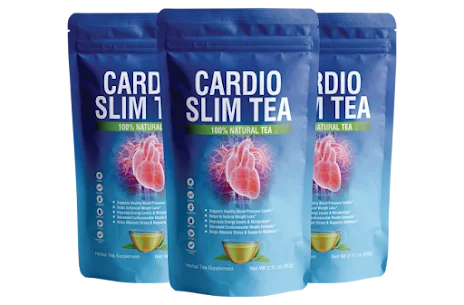
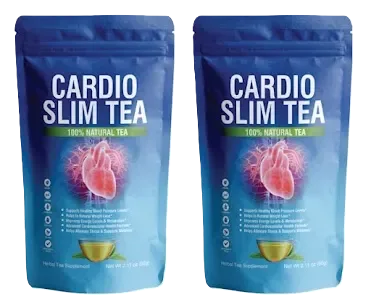
While diet and exercise are foundational, certain natural ingredients and herbal remedies have been studied for their potential to support healthy cholesterol levels and assist with weight management. CardioSlim Tea incorporates a blend of such ingredients, carefully selected for their synergistic effects on cardiovascular health.
Hibiscus Sabdariffa
Role: Known for its vibrant color and tart taste, hibiscus has been traditionally used to support healthy blood pressure and cholesterol levels. Research suggests it may help lower LDL cholesterol and triglycerides, while also having diuretic properties that can aid in fluid balance and weight management. Its antioxidant content further protects cardiovascular cells.
Hawthorn Berry
Role: A time-honored herb in traditional medicine, Hawthorn is renowned for its heart-protective properties. It's often used to support healthy blood flow, strengthen heart muscle contractions, and maintain healthy blood pressure. Studies indicate it may also contribute to lowering cholesterol and triglyceride levels, offering comprehensive cardiovascular support.
Green Tea Extract
Role: Rich in catechins, particularly EGCG, green tea is a powerful antioxidant that supports metabolic health. It has been shown to assist in weight management by boosting metabolism and fat oxidation. Furthermore, green tea extract may help reduce LDL cholesterol and improve overall lipid profiles, contributing to a healthier heart.
Garcinia Cambogia
Role: This tropical fruit extract is popular for its potential role in weight management. Its active compound, Hydroxycitric Acid (HCA), is believed to suppress appetite and inhibit fat production. While primarily known for weight loss, managing weight effectively is a crucial component of maintaining healthy cholesterol levels.
Chromium Picolinate
Role: An essential trace mineral, Chromium Picolinate plays a vital role in carbohydrate and lipid metabolism. It helps improve insulin sensitivity, which is crucial for managing blood sugar and can indirectly impact cholesterol levels. It may also help reduce cravings and support healthy body weight.
Acai Berry
Role: A superfood packed with antioxidants, Acai Berry supports overall health and vitality. Its rich antioxidant profile helps protect cells from oxidative stress, contributing to cardiovascular well-being. While not a direct cholesterol reducer, its contribution to general health and potential metabolic support can be beneficial in a holistic approach.
These ingredients, when combined in a balanced formula like CardioSlim Tea, aim to provide comprehensive support for individuals looking to manage their cholesterol and weight naturally. For a deeper dive into the science behind these powerful botanicals, consider reading our detailed article on CardioSlim Tea Ingredients: Hawthorn and Hibiscus.
Ready to Support Your Heart Health Naturally?
CardioSlim Tea offers a natural, delicious way to complement your efforts in managing cholesterol and weight. Crafted with a powerful blend of science-backed ingredients, it's designed to support your cardiovascular system and metabolic health.
- ✓ Supports Healthy Cholesterol Levels
- ✓ Aids in Natural Weight Management
- ✓ Boosts Metabolism & Energy
- ✓ Rich in Antioxidants for Heart Health
- ✓ 100% Natural, Non-GMO Ingredients


Putting It All Together: A Holistic Plan
Successfully treating high cholesterol naturally involves a consistent, multi-faceted approach. It's about making sustainable changes that become part of your daily routine.
1. Commit to a Heart-Healthy Diet: Prioritize whole, unprocessed foods. Fill your plate with fruits, vegetables, whole grains, lean proteins, and healthy fats. Limit saturated and trans fats, added sugars, and excessive sodium. Meal planning can be a powerful tool to stay on track.
2. Embrace Regular Physical Activity: Find activities you enjoy and make them a regular part of your week. Whether it's brisk walking, cycling, swimming, or dancing, consistency is key. Aim for a mix of aerobic and strength training exercises.
3. Manage Your Weight: If you carry excess weight, even a modest reduction can yield significant benefits for your cholesterol levels and overall heart health. Focus on gradual, sustainable changes rather than quick fixes.
4. Prioritize Stress Reduction and Quality Sleep: Incorporate stress-management techniques like meditation, deep breathing, or spending time in nature. Ensure you're getting 7-9 hours of restorative sleep each night.
5. Consider Natural Supplements: As a supportive measure, natural supplements like CardioSlim Tea, with its blend of hibiscus, hawthorn, and green tea extract, can complement your lifestyle changes. They can provide targeted nutritional support to help maintain healthy cholesterol and aid in weight management. Remember, supplements are not a substitute for a healthy lifestyle but an enhancement.
6. Regular Medical Check-ups: Even with natural approaches, it's vital to work closely with your healthcare provider. Regular blood tests will monitor your cholesterol levels, and your doctor can provide personalized advice, adjust your plan as needed, and ensure that your natural strategies are effective and safe for your specific health profile.
Consistency is your greatest ally in this journey. Small, sustainable changes compounded over time lead to significant improvements. Empower yourself with knowledge and proactive choices, and you'll be well on your way to a healthier heart and a more vibrant life. For real-life success stories and further motivation, you might be interested in reading some of our CardioSlim Tea Reviews: Real Results.
Hear From Our Satisfied Customers
"I was skeptical at first, but after 3 months of using CardioSlim Tea along with my new diet, my cholesterol numbers have significantly improved. My doctor was impressed! I feel lighter and have more energy."
"This tea is a game-changer. I've been trying to lower my cholesterol naturally for years, and CardioSlim Tea has really helped. The taste is pleasant, and I've even dropped a few pounds. Highly recommend!"
"My energy levels are up, and my recent blood work showed a positive shift in my cholesterol. It's been a great addition to my healthy lifestyle. It's comforting to know I'm using natural ingredients."
Frequently Asked Questions
What is high cholesterol and why is it a concern?
+High cholesterol, or hyperlipidemia, means you have too many fatty substances in your blood. Specifically, high levels of LDL (low-density lipoprotein) cholesterol, often called "bad" cholesterol, can lead to plaque buildup in your arteries, a condition known as atherosclerosis. This narrows arteries, increasing the risk of heart attack, stroke, and peripheral artery disease. HDL (high-density lipoprotein) cholesterol, or "good" cholesterol, helps remove excess cholesterol from the body.
Can lifestyle changes truly lower cholesterol without medication?
+Absolutely. For many individuals, especially those with moderately elevated cholesterol or those seeking preventative measures, significant improvements can be achieved through consistent lifestyle modifications. This includes adopting a heart-healthy diet, regular physical activity, managing weight, and reducing stress. These changes can often reduce LDL cholesterol by 10-20% or more, and improve HDL and triglyceride levels.
Which dietary changes are most effective for reducing cholesterol naturally?
+Key dietary changes include increasing soluble fiber intake (oats, beans, apples), consuming healthy fats (avocado, nuts, olive oil) while limiting saturated and trans fats, incorporating plant sterols/stanols (found in fortified foods), and eating plenty of fruits, vegetables, and whole grains. Reducing processed foods, sugary drinks, and red meat can also make a significant difference.
How does weight management impact cholesterol levels?
+Excess body weight, particularly around the abdomen, can negatively impact cholesterol levels by increasing LDL cholesterol and triglycerides while lowering beneficial HDL cholesterol. Losing even a modest amount of weight (5-10% of body weight) can significantly improve your lipid profile, reduce blood pressure, and decrease your risk of heart disease.
What role do natural supplements like CardioSlim Tea play in cholesterol management?
+Natural supplements can play a supportive role alongside lifestyle changes. CardioSlim Tea, for example, contains ingredients like Hibiscus, Hawthorn, and Green Tea, which have been studied for their potential to support cardiovascular health, healthy blood pressure, and metabolism. While not a replacement for medical treatment, such supplements can enhance the benefits of a healthy lifestyle by providing targeted nutritional support.
When should I consult a doctor about high cholesterol, even if I'm trying natural methods?
+It is crucial to consult your doctor regularly, especially if you have a diagnosis of high cholesterol, existing heart conditions, or other risk factors. Natural methods should always be discussed with your healthcare provider to ensure they are safe and appropriate for your individual health needs. Your doctor can monitor your progress, adjust treatment plans as necessary, and determine if medication is required.
Related Articles