Are you ready to take control of your heart health and prevent silent threats?
In an age where cardiovascular diseases remain the leading cause of mortality worldwide, understanding and implementing effective prevention strategies for high cholesterol and heart disease is not just beneficial—it's absolutely crucial. Many people don't realize the extent to which their daily choices impact their long-term heart health until it's too late. The good news is that with proactive steps and informed decisions, you can significantly reduce your risk and pave the way for a healthier, longer life.
This comprehensive guide, backed by leading cardiovascular research, will walk you through actionable lifestyle changes, dietary recommendations, and other supportive measures designed to optimize your heart health. We'll explore everything from the power of whole foods to the benefits of regular physical activity, stress management, and how natural aids can play a supportive role. By focusing on holistic prevention and early intervention, you can protect your heart and maintain vitality for years to come.
Understanding the Silent Threat: High Cholesterol and Its Link to Heart Disease
Before diving into prevention, it's essential to grasp what high cholesterol is and why it poses such a significant risk to your cardiovascular system. Often dubbed a "silent killer," high cholesterol typically presents no symptoms until it leads to serious health complications like heart attack or stroke.
Cholesterol is a waxy, fat-like substance found in all your body's cells. It's vital for producing hormones, vitamin D, and substances that help you digest foods. Your body makes all the cholesterol it needs, but you also get it from certain foods. The problem arises when you have too much of certain types of cholesterol, specifically low-density lipoprotein (LDL) cholesterol, often referred to as "bad" cholesterol. High levels of LDL cholesterol can lead to a buildup of plaque in your arteries, a process called atherosclerosis.
This plaque narrows your arteries, making them less flexible and impeding blood flow. Over time, this can lead to various forms of heart disease, including coronary artery disease, where the arteries supplying blood to the heart muscle become hardened and narrowed. Conversely, high-density lipoprotein (HDL) cholesterol, or "good" cholesterol, helps remove excess cholesterol from your arteries, transporting it back to the liver for removal from the body. Therefore, having higher levels of HDL is protective, while high LDL and high triglycerides (another type of fat in the blood) increase risk.
Understanding these fundamental concepts empowers you to make targeted choices that directly impact your cholesterol levels and overall heart health. The goal isn't to eliminate cholesterol entirely, but to manage the balance between LDL, HDL, and triglycerides to keep your cardiovascular system functioning optimally.
💡 Key Takeaway
High LDL cholesterol and triglycerides contribute to arterial plaque buildup (atherosclerosis), a primary cause of heart disease. Prioritizing prevention through lifestyle is crucial, as symptoms often appear too late.
The Pillars of Prevention: Lifestyle Strategies for a Healthy Heart
Preventing high cholesterol and heart disease is largely within your control, hinging on a multi-faceted approach to your daily life. These aren't quick fixes but sustainable habits that build a foundation for long-term health.
Embrace a Heart-Healthy Diet
What you eat is arguably the most powerful tool in your prevention arsenal. Focus on a diet rich in whole, unprocessed foods. Emphasize fruits, vegetables, whole grains, lean proteins, and healthy fats. The Mediterranean diet and the DASH (Dietary Approaches to Stop Hypertension) diet are excellent models, both proven to support cardiovascular health. Limit saturated and trans fats found in red meat, full-fat dairy, and many processed foods. Increase soluble fiber intake from oats, beans, apples, and citrus fruits, as it helps reduce LDL cholesterol absorption.
Prioritize Regular Physical Activity
Exercise is a cornerstone of heart health. Aim for at least 150 minutes of moderate-intensity aerobic activity or 75 minutes of vigorous-intensity activity per week, along with muscle-strengthening activities at least two days a week. This could include brisk walking, jogging, swimming, cycling, or dancing. Regular exercise helps lower LDL cholesterol, increase HDL cholesterol, manage weight, reduce blood pressure, and improve insulin sensitivity. Consistency is more important than intensity initially; even short bursts of activity add up.
Maintain a Healthy Weight
Excess weight, particularly around the abdomen, is a significant risk factor for high cholesterol, high blood pressure, and type 2 diabetes, all precursors to heart disease. Losing even a modest amount of weight can have a profound positive impact on your cardiovascular health markers. Calculate your Body Mass Index (BMI) and measure your waist circumference to understand your risk. Combine dietary changes with increased physical activity to achieve and maintain a healthy weight sustainably.
Manage Stress Effectively
Chronic stress can contribute to elevated blood pressure, unhealthy eating habits, and increased inflammation, all of which negatively impact heart health. Incorporate stress-reduction techniques into your daily routine. This could include mindfulness meditation, yoga, deep breathing exercises, spending time in nature, or engaging in hobbies you enjoy. Adequate sleep (7-9 hours per night for most adults) is also vital for stress management and overall cardiovascular well-being.
Quit Smoking and Limit Alcohol
Smoking is one of the most damaging habits for your heart. It directly harms blood vessels, lowers HDL cholesterol, and significantly increases the risk of blood clots and plaque buildup. Quitting smoking is the single most impactful step you can take for your heart health. Excessive alcohol consumption can also raise blood pressure and triglyceride levels. If you drink alcohol, do so in moderation: up to one drink per day for women and up to two drinks per day for men.
Regular Health Screenings
Knowledge is power. Regular check-ups with your doctor are crucial for monitoring your blood pressure, cholesterol levels, and blood sugar. Early detection of any abnormalities allows for timely intervention and adjustment of prevention strategies. Discuss your family history of heart disease with your physician, as genetics can play a role, informing a more personalized preventive approach.
The Role of Nutrition: Beyond the Basics
While the general principles of a heart-healthy diet are well-known, delving deeper into specific nutritional components can amplify your preventive efforts against high cholesterol and heart disease.
Fiber Power: Soluble fiber, found in foods like oats, barley, apples, pears, beans, and psyllium, forms a gel-like substance in the digestive tract that binds with cholesterol and helps excrete it from the body before it can be absorbed. Aim for 25-30 grams of fiber daily. Insoluble fiber, found in whole grains and vegetables, also contributes to digestive health and satiety, aiding weight management.
Healthy Fats, Happy Heart: Not all fats are created equal. Replace unhealthy saturated and trans fats with monounsaturated and polyunsaturated fats. Sources include avocados, nuts (almonds, walnuts), seeds (chia, flax), and olive oil. Omega-3 fatty acids, particularly EPA and DHA found in fatty fish (salmon, mackerel, sardines), are powerful anti-inflammatory agents that can lower triglycerides and support overall cardiovascular function. Plant-based omega-3s from flaxseeds and walnuts are also beneficial.
Plant Sterols and Stanols: These plant compounds, naturally found in small amounts in fruits, vegetables, nuts, seeds, and grains, can block the absorption of cholesterol in the digestive tract. Foods fortified with plant sterols/stanols, such as certain margarines, orange juices, and yogurts, can be effective in lowering LDL cholesterol by about 5-15%. Always check with your doctor before incorporating fortified foods into your diet, especially if you are pregnant or breastfeeding.
Antioxidants and Phytochemicals: A wide array of plant-based foods contain antioxidants and phytochemicals that combat oxidative stress and inflammation, both of which contribute to atherosclerosis. Berries, dark leafy greens, colorful vegetables, green tea, and dark chocolate (in moderation) are packed with these protective compounds. For more information on how specific nutrients can support your heart, read our article on Vitamins and Minerals for Heart Health and Cholesterol.
Beyond Diet and Exercise: Integrative Approaches to Heart Health
While diet and exercise form the bedrock of cardiovascular prevention, a truly holistic approach recognizes the value of other complementary strategies, including the mindful use of natural supplements.
Hydration for Circulation
Staying adequately hydrated is often overlooked but crucial for cardiovascular health. Water helps maintain blood volume and viscosity, ensuring efficient blood flow and nutrient delivery throughout the body. Dehydration can strain the heart, making it work harder. Aim for at least 8 glasses of water daily, more if you are active or in a hot climate.
Build Lean Muscle Mass
Strength training is not just for bodybuilders; it's a vital component of heart health. Building and maintaining lean muscle mass helps improve metabolism, burn more calories at rest, and support healthy blood sugar and cholesterol levels. Incorporate weightlifting, resistance bands, or bodyweight exercises into your routine 2-3 times per week.
Prioritize Quality Sleep
Chronic sleep deprivation can negatively impact blood pressure, blood sugar, and contribute to inflammation and weight gain – all factors that increase heart disease risk. Aim for 7-9 hours of quality sleep per night. Establish a consistent sleep schedule, create a relaxing bedtime routine, and optimize your sleep environment to support restorative rest.
Consider Targeted Natural Support
For individuals seeking additional support alongside their healthy lifestyle, certain natural ingredients have been studied for their potential cardiovascular benefits. These can help maintain healthy cholesterol levels, support blood pressure, and provide antioxidant protection. Always choose high-quality supplements and consult with a healthcare professional.
CardioSlim Tea: A Natural Approach to Cardiovascular Wellness
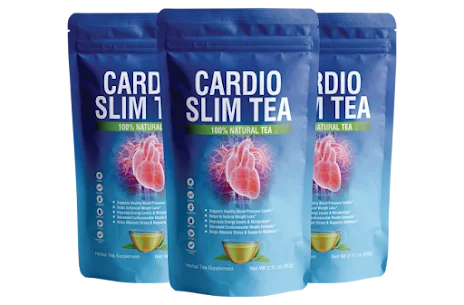
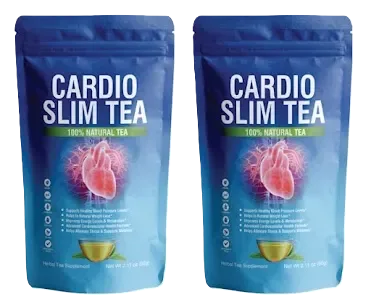
As part of a comprehensive prevention strategy, natural supplements can offer targeted support. CardioSlim Tea is formulated with a blend of ingredients traditionally recognized for their potential to contribute to heart health and weight management. It's designed to complement your efforts in diet and exercise, not replace them.
Hibiscus Flower
Role: Known for its vibrant color and tart taste, hibiscus has been traditionally used to support healthy blood pressure levels already within the normal range. Research also suggests it may help maintain healthy cholesterol and triglyceride levels, offering robust cardiovascular support. Its antioxidant properties contribute to overall heart protection.
Beetroot Extract
Role: Beetroot is a rich source of nitrates, which the body converts into nitric oxide. Nitric oxide helps relax and widen blood vessels, promoting healthy blood flow and supporting optimal blood pressure. This improved circulation is vital for cardiovascular function and can contribute to better nutrient delivery throughout the body.
Ginger Root
Role: Ginger is a powerful anti-inflammatory and antioxidant ingredient. It has been studied for its potential to support healthy cholesterol levels and improve overall metabolic health. Its warming properties also aid digestion and can contribute to a feeling of satiety, indirectly supporting weight management efforts.
Green Tea Leaf
Role: A well-known source of catechins, particularly EGCG, green tea is a potent antioxidant. It's recognized for its role in supporting metabolism, aiding in healthy weight management, and contributing to cardiovascular health by helping to maintain healthy cholesterol levels. Its thermogenic properties can also gently boost energy expenditure.
Hawthorn Berry
Role: Hawthorn berry has a long history of traditional use for heart health. It is believed to support healthy blood flow, strengthen heart muscle contraction, and help maintain healthy blood pressure. Its antioxidant content also provides protection against oxidative stress, supporting the integrity of blood vessels.
Cinnamon Bark
Role: Beyond its culinary uses, cinnamon has been researched for its potential to support healthy blood sugar levels and maintain healthy cholesterol. By helping to improve insulin sensitivity, it can indirectly contribute to better weight management and a reduced risk of metabolic syndrome, which impacts heart health.
For a deeper dive into these ingredients and their specific benefits, explore our detailed article: CardioSlim Tea Ingredients: Beetroot, Hibiscus, Ginger & More. CardioSlim Tea offers a convenient and pleasant way to integrate these beneficial botanicals into your daily routine, providing a natural boost to your cardiovascular health journey. It's an excellent choice for those looking for natural ways to support their heart and manage their weight. You can also compare it to other options by reading CardioSlim Tea vs. Other Heart Health Teas.
Ready to Support Your Heart Health Naturally?
Take a proactive step towards a healthier heart and a slimmer waistline with CardioSlim Tea. Crafted with nature's finest ingredients, it's designed to complement your healthy lifestyle.
- ✓ Supports Healthy Cholesterol Levels
- ✓ Promotes Healthy Blood Pressure
- ✓ Aids in Natural Weight Management
- ✓ Boosts Metabolism & Antioxidant Defense
- ✓ Delicious & Easy to Incorporate Daily



Hear From Our Happy Customers
"I've been looking for natural ways to support my heart, and CardioSlim Tea has been a wonderful addition. My doctor even commented on the positive changes in my lipid panel. Plus, it tastes great!"
"After years of struggling with my weight and cholesterol, CardioSlim Tea, combined with my diet and exercise, has made a noticeable difference. I feel more energetic and my numbers are improving. Highly recommend!"
"My cardiologist suggested looking into natural supplements, and I found CardioSlim Tea. It's gentle, effective, and I appreciate the blend of ingredients focused on heart health. My blood pressure has been more stable."
Frequently Asked Questions
What is the primary cause of high cholesterol?
+High cholesterol often results from a combination of genetic predisposition and lifestyle factors. Diets high in saturated and trans fats, lack of physical activity, smoking, excessive alcohol consumption, and obesity all contribute significantly. While genetics play a role, lifestyle choices are often the most impactful factors we can control to manage cholesterol levels effectively.
How does excess weight contribute to heart disease risk?
+Excess weight, particularly abdominal fat, significantly increases the risk of heart disease. It can lead to higher LDL (bad) cholesterol, lower HDL (good) cholesterol, elevated blood pressure, and increased insulin resistance, all of which are major risk factors for atherosclerosis and other cardiovascular conditions. Maintaining a healthy weight is crucial for heart health.
Are there specific foods I should avoid to lower cholesterol?
+To lower cholesterol, it's advisable to limit foods high in saturated fats (like red meat, full-fat dairy, butter, processed snacks) and trans fats (often found in fried foods, baked goods, and some margarines). These fats can raise LDL cholesterol. Instead, focus on unsaturated fats, fiber-rich foods, and plant-based proteins.
Can regular exercise really make a difference in cholesterol levels?
+Absolutely. Regular physical activity, especially aerobic exercise, can significantly improve your cholesterol profile. It helps increase HDL (good) cholesterol, which carries cholesterol away from the arteries, and can slightly lower LDL (bad) cholesterol and triglycerides. Aim for at least 150 minutes of moderate-intensity exercise per week.
When should I consider natural supplements for heart health?
+Natural supplements can be considered as a complementary approach to a healthy lifestyle, especially if dietary and exercise changes alone aren't fully achieving desired results, or to provide additional support. They are not a replacement for medical treatment or professional advice. Always consult with your doctor before adding any new supplement, including CardioSlim Tea, to your regimen, especially if you have existing health conditions or are taking medications.
How long does it take to see improvements in cholesterol levels with lifestyle changes?
+The timeline for seeing improvements can vary depending on individual factors and the consistency of your efforts. Generally, significant changes in diet and exercise can begin to show positive effects on cholesterol levels within a few weeks to a few months. Sustained commitment is key for long-term benefits and maintaining optimal cardiovascular health.
Related Articles