Are you giving your heart the nutritional support it truly needs?
In our modern world, maintaining optimal heart health and managing cholesterol levels can feel like an uphill battle. With busy lifestyles, dietary challenges, and increasing environmental stressors, our bodies often struggle to get the essential vitamins and minerals required for robust cardiovascular function.
Many people focus solely on macronutrients – fats, proteins, and carbohydrates – overlooking the profound impact of micronutrients on heart health, cholesterol regulation, and even weight management. These tiny powerhouses play colossal roles in everything from blood pressure control to arterial flexibility and metabolic efficiency.
The Silent Epidemic: High Cholesterol and Excess Weight
High cholesterol and excess weight are two of the most pervasive health challenges facing individuals today, often going hand-in-hand and significantly elevating the risk of cardiovascular disease. Understanding their intertwined nature is the first step towards effective management.
High cholesterol, particularly elevated levels of low-density lipoprotein (LDL) cholesterol, often referred to as "bad" cholesterol, contributes to the buildup of plaque in the arteries, a condition known as atherosclerosis. This narrowing and hardening of the arteries can lead to heart attacks, strokes, and peripheral artery disease. While genetics play a role, lifestyle factors, including diet and physical activity, are paramount in influencing cholesterol levels.
Simultaneously, excess weight or obesity is a major independent risk factor for high cholesterol and other cardiovascular problems. Adipose tissue, particularly visceral fat around organs, is metabolically active and can release inflammatory compounds and hormones that negatively impact lipid metabolism, blood pressure, and insulin sensitivity. Losing even a modest amount of weight can significantly improve cholesterol profiles, lower blood pressure, and reduce the risk of developing type 2 diabetes, all of which are critical for heart health.
Many individuals struggle with both conditions, creating a dangerous cycle. The good news is that addressing one often positively impacts the other. Comprehensive strategies that focus on lifestyle modifications, including a nutrient-rich diet and regular physical activity, are essential. For a deeper dive into practical changes, read our article on Lifestyle Changes to Lower Cholesterol and Boost Heart Health.
💡 Key Takeaway
High cholesterol and excess weight are closely linked risk factors for cardiovascular disease. Managing one often improves the other, emphasizing the need for holistic lifestyle interventions that include proper nutrition and physical activity.
Why Micronutrients Matter: Beyond the Macros
While carbohydrates, proteins, and fats provide energy and building blocks, it's the often-overlooked vitamins and minerals—micronutrients—that orchestrate the intricate biochemical reactions essential for life, especially for a healthy heart and balanced metabolism.
These vital compounds act as cofactors for enzymes, antioxidants protecting cells from damage, and regulators of physiological processes. A deficiency in even one critical micronutrient can disrupt metabolic pathways, impair cardiovascular function, and make it harder to manage weight and cholesterol. For instance, magnesium is involved in hundreds of enzymatic reactions, including those related to energy production and muscle function, while B vitamins are crucial for homocysteine metabolism, a risk factor for heart disease when elevated.
In the context of high cholesterol and excess weight, micronutrients play multifaceted roles:
- They support the liver in processing and eliminating cholesterol.
- They help maintain the elasticity and integrity of blood vessel walls.
- They reduce systemic inflammation, a key driver of atherosclerosis.
- They improve insulin sensitivity, which is vital for weight management and preventing metabolic syndrome.
- They act as antioxidants, neutralizing free radicals that can damage LDL cholesterol, making it more harmful.
Optimizing your intake of these essential vitamins and minerals isn't just about preventing deficiencies; it's about providing your body with the tools it needs to thrive, protect itself, and maintain peak cardiovascular performance. Ignoring these micronutrients can undermine even the best intentions for diet and exercise, making your health goals harder to achieve.
Top Vitamins & Minerals for Heart Health and Cholesterol Control
Let's explore the key micronutrients that have a profound impact on your cardiovascular well-being and ability to manage cholesterol and weight effectively.
Magnesium: The Heart's Essential Mineral
Magnesium is involved in over 300 enzymatic reactions in the body, many of which directly impact heart health. It helps regulate blood pressure by relaxing blood vessels, supports healthy heart rhythm, and is crucial for muscle function, including the heart muscle. Furthermore, magnesium plays a role in glucose metabolism and insulin sensitivity, indirectly aiding in weight management and reducing the risk of metabolic syndrome. Studies suggest that adequate magnesium intake can lower LDL cholesterol and triglycerides while raising HDL cholesterol.
Potassium: The Blood Pressure Regulator
Potassium works in opposition to sodium to maintain fluid balance and blood pressure. A diet rich in potassium helps to mitigate the effects of sodium on blood pressure, reducing the risk of hypertension, a major risk factor for heart disease. It also supports healthy nerve and muscle function, including the crucial contractions of the heart. While its direct impact on cholesterol is less pronounced, maintaining healthy blood pressure is intrinsically linked to overall cardiovascular health and reduces strain on arteries, indirectly supporting a healthy lipid profile.
B Vitamins (B6, B9/Folate, B12): Homocysteine Heroes
These B vitamins are critical for the metabolism of homocysteine, an amino acid that, when elevated, is considered an independent risk factor for heart disease and stroke. They help convert homocysteine into other beneficial substances, thereby reducing its harmful effects on blood vessel walls. Beyond homocysteine, B vitamins are involved in energy production, nerve function, and red blood cell formation, all contributing to overall vitality and supporting the body's metabolic processes essential for managing weight.
Vitamin D: The Sunshine Vitamin for Your Heart
Vitamin D receptors are found throughout the cardiovascular system, indicating its broad influence. Research suggests that adequate Vitamin D levels are associated with lower risks of heart disease, high blood pressure, and stroke. It plays a role in reducing inflammation, improving endothelial function (the inner lining of blood vessels), and potentially influencing cholesterol metabolism. Deficiency is widespread, making supplementation often necessary, especially for those with limited sun exposure or excess weight, which can impair Vitamin D absorption and utilization.
Coenzyme Q10 (CoQ10): Cellular Energy and Antioxidant Power
CoQ10 is a powerful antioxidant naturally produced by the body and found in every cell, playing a crucial role in energy production within the mitochondria. For the heart, CoQ10 is vital for its high energy demands and acts as a potent antioxidant, protecting against oxidative stress that can damage blood vessels and contribute to plaque formation. It's particularly important for individuals on statin medications, as statins can deplete the body's natural CoQ10 levels, potentially leading to muscle pain and fatigue. Supplementation can support heart muscle function and overall cardiovascular health.
Omega-3 Fatty Acids: Inflammation Fighters
While technically a fat, Omega-3s (EPA and DHA) are essential fatty acids with significant benefits for heart health. They are well-known for their anti-inflammatory properties, which can reduce the systemic inflammation linked to atherosclerosis. Omega-3s also effectively lower triglyceride levels, slightly reduce blood pressure, and may improve endothelial function. They don't directly lower LDL cholesterol but can improve the overall lipid profile and reduce the risk of cardiovascular events, especially when consumed regularly through fatty fish or supplements.
Chromium: Blood Sugar and Lipid Balancer
Chromium is a trace mineral that enhances the action of insulin, a hormone critical for metabolism and the storage of carbohydrates, fats, and proteins. By improving insulin sensitivity, chromium can help regulate blood sugar levels, reduce cravings, and potentially aid in weight management. Better insulin function can also indirectly lead to improvements in cholesterol and triglyceride levels, as insulin resistance often contributes to dyslipidemia. It's a key player in maintaining metabolic health, which is foundational for a healthy heart.
Fiber (Soluble & Insoluble): The Digestive Dynamo
Though not a vitamin or mineral, dietary fiber is an indispensable component of a heart-healthy diet. Soluble fiber, found in oats, beans, and fruits, forms a gel-like substance in the digestive tract that binds to cholesterol and prevents its absorption, carrying it out of the body. This directly helps lower LDL cholesterol. Insoluble fiber adds bulk to stool, promoting regularity and overall gut health, which has emerging links to cardiovascular wellness. Both types contribute to satiety, aiding in weight management by reducing overall calorie intake. You can learn more about comprehensive supplement strategies in Top Supplements for High Cholesterol and Weight in 2026.
Synergy in Action: How Nutrients Work Together
Individual vitamins and minerals are powerful, but their true strength lies in their synergistic interactions. The body is a complex system, and nutrients rarely work in isolation; instead, they collaborate in intricate networks to maintain health.
For example, Vitamin D needs magnesium for its activation, while magnesium and potassium work together to regulate blood pressure. B vitamins are interdependent for their roles in homocysteine metabolism. Antioxidants like Vitamin C and E recycle each other, enhancing their protective effects against oxidative damage to cholesterol particles and arterial walls. This interconnectedness highlights why a holistic approach to nutrition, focusing on a broad spectrum of micronutrients, is far more effective than isolating single nutrients.
A balanced diet rich in whole foods is the best way to ensure this synergy. However, given modern agricultural practices and individual dietary habits, it can be challenging to obtain optimal levels of all essential nutrients through diet alone. This is where targeted supplementation, carefully chosen to fill nutritional gaps, can play a supportive role. When considering supplements, it's beneficial to look for formulations that offer a thoughtful blend of synergistic ingredients, rather than just mega-doses of one or two isolated compounds.
💡 Key Takeaway
Vitamins and minerals work synergistically to support heart health and cholesterol control. A holistic approach through diet and targeted, balanced supplementation is key to maximizing their benefits.
Beyond Nutrients: The Role of Phytocompounds and Botanicals
While vitamins and minerals form the foundation, nature offers a wealth of other compounds in plants—phytocompounds and botanicals—that provide additional, powerful support for cardiovascular health and weight management.
Green Tea Extract (EGCG)
Rich in catechins, particularly epigallocatechin gallate (EGCG), green tea extract is a potent antioxidant. It has been shown to support healthy cholesterol levels by inhibiting the absorption of dietary fat and cholesterol, increasing fat oxidation, and improving metabolic rate, thereby aiding in weight loss. Its anti-inflammatory properties also contribute to arterial health.
Hibiscus Sabdariffa
Often consumed as a tea, hibiscus is known for its ability to help lower blood pressure and improve lipid profiles. Studies indicate it can significantly reduce total cholesterol, LDL cholesterol, and triglycerides, while also possessing mild diuretic effects that can assist in blood pressure regulation and fluid balance, supporting a healthy weight.
Berberine
A bioactive compound extracted from several plants, berberine has gained attention for its powerful effects on metabolism. It helps regulate blood sugar, reduces insulin resistance, and has shown remarkable ability to lower LDL cholesterol and triglycerides, comparable to some pharmaceutical interventions, by activating an enzyme called AMPK.
Cinnamon Extract
Beyond its culinary use, cinnamon has medicinal properties, particularly in improving insulin sensitivity and regulating blood sugar. Stable blood sugar levels are crucial for preventing fat storage and managing weight, which in turn positively impacts cholesterol levels. It also has antioxidant and anti-inflammatory benefits.
Guggul (Commiphora wightii)
This ancient Ayurvedic herb is traditionally used to support healthy lipid levels. Guggulsterones, the active compounds in guggul, are believed to help reduce total cholesterol, LDL cholesterol, and triglycerides by affecting bile acid metabolism in the liver. It's often included in natural cholesterol support formulas.
Apple Cider Vinegar
While research is ongoing, apple cider vinegar has been suggested to aid in weight management by promoting satiety and potentially improving blood sugar and lipid profiles. Its acetic acid content may influence metabolic pathways related to fat storage and glucose utilization, making it a popular natural health remedy.
Integrating Supplements: A Thoughtful Approach
When diet and lifestyle modifications aren't quite enough, or when specific deficiencies are identified, targeted supplementation can provide valuable support. However, it's crucial to approach supplements thoughtfully and with professional guidance.
The market is flooded with various options, and not all supplements are created equal. Look for reputable brands that prioritize purity, potency, and third-party testing. Always consult with your doctor or a registered dietitian before adding new supplements to your regimen, especially if you have pre-existing health conditions or are taking prescription medications. They can help assess your individual needs, identify potential interactions, and recommend appropriate dosages.
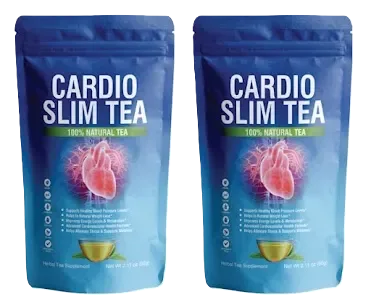
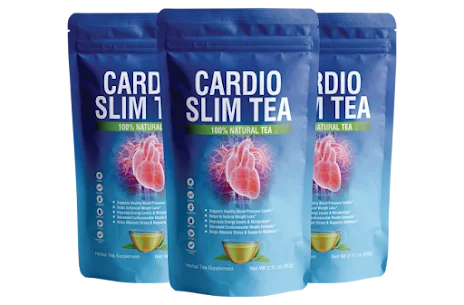
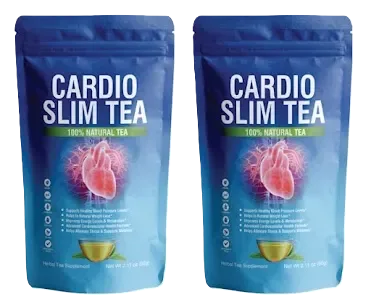
One such option that incorporates a blend of beneficial ingredients is CardioSlim Tea. It combines potent botanical extracts like Green Tea, Hibiscus, and Cinnamon, alongside key minerals like Chromium, to offer a comprehensive approach to supporting heart health, healthy cholesterol levels, and metabolism. For a comparison of such products, consider reading our analysis on CardioSlim Tea vs. Other Heart Teas.
Remember, supplements are intended to *supplement* a healthy lifestyle, not replace it. They work best when combined with a balanced diet, regular exercise, adequate sleep, and stress management. Think of them as allies in your journey towards optimal heart health and a healthy weight, providing extra support to your body's natural capabilities.
Unlock Your Heart's Potential with CardioSlim Tea
Imagine a simpler way to support your heart health, manage cholesterol, and encourage healthy weight, all while enjoying a delicious daily ritual. CardioSlim Tea offers a unique blend of nature's most potent ingredients, carefully selected and backed by science to give your cardiovascular system the gentle support it deserves.
- ✓ Supports Healthy Cholesterol Levels
- ✓ Boosts Metabolism for Weight Management
- ✓ Rich in Antioxidants for Heart Protection
- ✓ Promotes Healthy Blood Pressure
- ✓ 100% Natural, Plant-Based Ingredients



What Our Customers Are Saying
"I've been looking for a natural way to support my heart health, and CardioSlim Tea has been a game-changer. My energy levels are up, and I feel lighter. My last check-up showed promising improvements!"
"The taste is surprisingly good, and it's become a pleasant part of my morning routine. I've noticed a difference in my digestion and overall well-being. Highly recommend for anyone focusing on cholesterol and weight."
"My doctor suggested I look into natural supports for my cholesterol, and I found CardioSlim Tea. After a few months, I'm genuinely impressed. It feels like I'm doing something good for my body every day."
Frequently Asked Questions
What role do vitamins and minerals play in heart health and cholesterol control?
+Vitamins and minerals are crucial cofactors in numerous bodily processes, including those that regulate cardiovascular function and lipid metabolism. For heart health, they help maintain blood vessel integrity, regulate blood pressure, reduce inflammation, and protect against oxidative stress. In cholesterol control, certain nutrients can influence LDL (bad) cholesterol reduction, HDL (good) cholesterol elevation, and triglyceride levels by supporting liver function, bile acid production, and overall metabolic balance. Adequate intake is foundational for preventing and managing high cholesterol and related heart conditions.
How can CardioSlim Tea support my efforts for better heart health?
+CardioSlim Tea is formulated with a blend of natural ingredients known for their potential benefits in cardiovascular health and weight management. Ingredients like green tea extract, hibiscus, and chromium can contribute to healthy cholesterol levels, support blood sugar regulation, and possess antioxidant properties that protect heart cells. By incorporating CardioSlim Tea into a balanced diet and active lifestyle, it can act as a supportive complement to your overall strategy for maintaining a healthy heart and managing weight effectively.
Is CardioSlim Tea safe to use with other medications?
+While CardioSlim Tea is made from natural ingredients, it's always crucial to consult with your healthcare provider or a board-certified cardiologist before starting any new supplement, especially if you are currently taking medications for high cholesterol, blood pressure, diabetes, or any other medical condition. Some natural ingredients can interact with prescription drugs, potentially altering their effectiveness or causing adverse effects. Your doctor can provide personalized advice based on your specific health profile and medication regimen.
How long does it take to see results with CardioSlim Tea?
+The timeframe for experiencing results with CardioSlim Tea can vary significantly among individuals, depending on factors such as metabolism, diet, activity level, and the severity of existing health conditions. While some users may notice improvements in energy or digestion within a few weeks, significant changes in cholesterol levels or weight typically require consistent use over several months (e.g., 60-90 days) in conjunction with a healthy lifestyle. It's important to be patient and consistent, and to monitor your progress with your healthcare provider.
What is the recommended dosage for CardioSlim Tea?
+For optimal results, it is generally recommended to consume CardioSlim Tea once daily. The specific preparation instructions, such as brewing time and water temperature, are usually provided on the product packaging. Adhering to the recommended dosage ensures you receive the intended benefits without overconsumption. If you have any specific health concerns or are unsure, consulting with your doctor is always advisable.
Does CardioSlim Tea help with weight management in addition to cholesterol?
+Yes, CardioSlim Tea is designed to support both cholesterol control and weight management. Many of its natural ingredients, such as green tea extract, are known for their thermogenic properties and ability to boost metabolism, which can aid in fat burning and weight loss. Additionally, ingredients that help regulate blood sugar can reduce cravings and support healthier eating habits. By addressing excess weight, which is a significant risk factor for high cholesterol and heart disease, CardioSlim Tea offers a dual-action approach to cardiovascular wellness.
Related Articles You Might Find Helpful