Are You Sleeping Your Way to High Cholesterol and Heart Disease?
In our fast-paced modern world, sleep often feels like a luxury rather than a necessity. We burn the midnight oil, juggle endless responsibilities, and often sacrifice precious hours of rest, telling ourselves we'll "catch up later." But what if this seemingly minor sacrifice is slowly, silently, undermining the very foundation of your cardiovascular health?
Emerging research paints a clear and concerning picture: chronic sleep deprivation is not just about feeling tired. It's a significant, underestimated risk factor for high cholesterol, weight gain, and a cascade of other issues that directly contribute to heart disease. Understanding this profound connection is the first step towards safeguarding your heart and reclaiming your vitality.
The Silent Epidemic: Understanding Sleep Deprivation
Sleep is far more than just a period of rest for your brain. It's a fundamental physiological process vital for cellular repair, hormone regulation, memory consolidation, and overall bodily maintenance. When we consistently fail to get the recommended 7-9 hours of quality sleep, our bodies begin to suffer in profound ways, setting the stage for chronic health issues.
Sleep deprivation, also known as sleep insufficiency, is a widespread problem affecting millions globally. It's characterized by not getting enough sleep (quantity) or not getting good enough sleep (quality). This can be due to lifestyle choices, work demands, underlying sleep disorders like insomnia or sleep apnea, or even environmental factors. The consequences are far-reaching, impacting everything from cognitive function and mood to our most vital organs, including the heart.
The Interconnectedness of Sleep and Cardiovascular Health
Our cardiovascular system is meticulously regulated by a complex network of hormones, neurotransmitters, and biological rhythms. Sleep plays a crucial role in maintaining this delicate balance. During sleep, your blood pressure naturally dips, your heart rate slows, and your body enters a restorative state. When this nightly reset is disrupted, your heart and blood vessels are under constant strain, leading to a host of problems.
Chronic sleep deprivation forces your body into a state of heightened arousal, triggering responses typically reserved for stress or danger. This constant activation of the sympathetic nervous system, often referred to as the "fight or flight" response, has direct implications for your heart, blood vessels, and metabolic processes, including how your body manages cholesterol.
💡 Key Takeaway
Sleep is not optional; it's a critical biological process essential for heart health. Consistent sleep deprivation pushes your body into a chronic stress state, directly impacting blood pressure, metabolism, and lipid profiles, paving the way for cardiovascular disease.
The Direct Link: How Poor Sleep Elevates Cholesterol Levels
While diet and genetics are well-known drivers of cholesterol levels, the impact of sleep quality is often overlooked. Research increasingly shows a powerful, direct correlation between insufficient sleep and unfavorable changes in your lipid profile, specifically an increase in "bad" cholesterol (LDL) and triglycerides, and a decrease in "good" cholesterol (HDL).
Hormonal Disruption and Metabolism
Sleep plays a critical role in regulating hormones that control appetite and metabolism. Sleep deprivation increases levels of cortisol, the stress hormone, which can promote fat storage and influence liver function. It also throws off the balance of ghrelin (the hunger hormone) and leptin (the satiety hormone), leading to increased cravings for high-calorie, high-fat foods. This combination can directly impact how your body processes fats and cholesterol.
Liver Function and Cholesterol Synthesis
Your liver is the primary organ responsible for producing cholesterol and processing fats. When you're sleep-deprived, the liver's ability to efficiently manage these processes can be compromised. Studies suggest that poor sleep can alter the expression of genes involved in cholesterol synthesis and transport, potentially leading to an overproduction of LDL cholesterol and triglycerides, while impairing the removal of excess cholesterol from the body.
Inflammation and Oxidative Stress
Insufficient sleep triggers a systemic inflammatory response. Chronic inflammation is a key player in the development of atherosclerosis, the hardening and narrowing of arteries due to plaque buildup. Elevated inflammatory markers, combined with increased oxidative stress (cellular damage from free radicals), can make LDL cholesterol more susceptible to oxidation, transforming it into a more harmful form that readily deposits in arterial walls.
Weight Gain and Obesity
The hormonal imbalances caused by sleep deprivation often lead to increased appetite, reduced energy for physical activity, and greater fat accumulation, particularly around the abdomen. Excess weight and obesity are strongly linked to higher LDL cholesterol, lower HDL cholesterol, and elevated triglycerides, forming a dangerous cycle that further compromises heart health.
Beyond Cholesterol: Other Cardiovascular Risks of Poor Sleep
While cholesterol is a major concern, sleep deprivation casts a wider net of adverse effects on your cardiovascular system, contributing to several other critical risk factors for heart disease.
High Blood Pressure (Hypertension)
During a healthy night's sleep, your blood pressure naturally drops by about 10-20%, a phenomenon known as "dipping." This nightly dip allows your heart and blood vessels to rest. Chronic sleep deprivation prevents this essential dipping, keeping your blood pressure elevated for longer periods. Over time, this sustained hypertension significantly increases the risk of heart attack, stroke, and kidney disease. Studies show that even just one night of insufficient sleep can elevate blood pressure the following day, and persistent poor sleep patterns are strongly correlated with a higher prevalence of hypertension.
Impaired Glucose Metabolism and Insulin Resistance
Sleep plays a vital role in regulating blood sugar. When you're sleep-deprived, your body's cells become less responsive to insulin, a hormone that helps glucose (sugar) enter cells for energy. This condition, known as insulin resistance, forces your pancreas to produce more insulin, leading to higher blood sugar levels. Left unchecked, insulin resistance can progress to prediabetes and type 2 diabetes, both of which are independent and powerful risk factors for cardiovascular disease. The link between poor sleep, insulin resistance, and subsequent heart complications is a well-established area of research.
Endothelial Dysfunction
The endothelium is the delicate inner lining of your blood vessels. It plays a crucial role in regulating blood flow, blood pressure, and preventing plaque buildup. Sleep deprivation can impair the function of the endothelium, making blood vessels stiffer and less able to dilate, or widen, as needed. This endothelial dysfunction is an early marker of atherosclerosis and significantly increases the risk of future cardiovascular events.
Increased Risk of Arrhythmias and Heart Failure
For individuals already prone to heart conditions, sleep deprivation can be particularly dangerous. It can increase the risk of developing heart rhythm disturbances (arrhythmias), such as atrial fibrillation. Moreover, consistent lack of sleep places an added burden on the heart, potentially exacerbating existing heart failure or contributing to its development in vulnerable individuals.
💡 Key Takeaway
The impact of poor sleep extends beyond cholesterol, directly contributing to high blood pressure, insulin resistance, endothelial dysfunction, and an increased risk of serious heart conditions. Prioritizing sleep is a comprehensive strategy for cardiovascular protection.
The Vicious Cycle: Stress, Sleep, and Heart Health
The relationship between stress, sleep, and heart health is often a detrimental feedback loop. Chronic stress can severely disrupt sleep, and inadequate sleep, in turn, amplifies stress, creating a cycle that relentlessly harms your cardiovascular system.
Stress Disrupts Sleep
High levels of psychological stress lead to an overactivation of the body's stress response system, releasing hormones like cortisol and adrenaline. These hormones keep you alert and awake, making it difficult to fall asleep and stay asleep. The mind races, anxiety mounts, and restful sleep becomes elusive.
Poor Sleep Fuels Stress
Paradoxically, when you don't get enough sleep, your body's ability to cope with stress diminishes. Even minor stressors can feel overwhelming. This heightened reactivity to stress further elevates cortisol levels, perpetuating the cycle and making it even harder to achieve restorative sleep the following night.
Combined Impact on the Heart
This relentless cycle of stress and sleep deprivation creates a perfect storm for cardiovascular damage. Elevated cortisol levels contribute to increased inflammation, higher blood pressure, insulin resistance, and unfavorable cholesterol changes. The heart is under constant siege, with little opportunity for the nightly repair and rejuvenation it desperately needs.
Breaking this cycle is crucial for both mental well-being and heart health. Implementing stress management techniques alongside improved sleep hygiene can create a positive feedback loop, where better sleep reduces stress, which in turn leads to even better sleep.
Recognizing the Signs of Sleep Deprivation
Many people are chronically sleep-deprived without even realizing it, having grown accustomed to feeling perpetually tired. Recognizing the signs is the first step toward addressing the issue.
Common symptoms of sleep deprivation include:
- Excessive daytime sleepiness: Feeling drowsy or falling asleep during quiet activities.
- Irritability and mood swings: Difficulty managing emotions, increased frustration.
- Difficulty concentrating: Impaired focus, memory problems, reduced productivity.
- Increased appetite and weight gain: Cravings for unhealthy foods, difficulty losing weight.
- Weakened immune system: More frequent colds or infections.
- Impaired judgment: Difficulty making decisions, increased impulsivity.
- Frequent headaches: Often reported by those with chronic sleep issues.
Strategies for Improving Sleep and Protecting Your Heart
The good news is that improving your sleep can have a profound and rapid positive impact on your cholesterol levels, blood pressure, and overall heart health. It requires a holistic approach, addressing various aspects of your lifestyle.
Optimize Sleep Hygiene
Establish a consistent sleep schedule, going to bed and waking up at the same time every day, even on weekends. Create a dark, quiet, and cool bedroom environment. Avoid screens (phones, tablets, TVs) at least an hour before bed, and limit caffeine and alcohol intake, especially in the afternoon and evening. A relaxing bedtime routine, such as a warm bath or reading, can signal to your body that it's time to wind down.
Embrace a Heart-Healthy Diet
What you eat directly impacts your cholesterol and metabolic health, which in turn can affect sleep. Focus on a diet rich in fruits, vegetables, whole grains, lean proteins, and healthy fats. Limit processed foods, excessive sugar, and saturated/trans fats. A balanced diet not only supports healthy cholesterol levels but also provides the nutrients needed for optimal sleep-regulating hormones. For more detailed guidance, explore our article on foods that lower cholesterol naturally.
Regular Physical Activity
Engaging in moderate exercise most days of the week can significantly improve sleep quality and duration. Physical activity helps reduce stress, improves mood, and can deepen sleep. However, avoid intense workouts too close to bedtime, as this can be stimulating and make it harder to fall asleep. Aim for morning or early afternoon exercise.
Effective Stress Management
Given the strong link between stress and sleep, incorporating stress-reduction techniques into your daily routine is vital. Practices like meditation, deep breathing exercises, yoga, spending time in nature, or engaging in hobbies can help calm your nervous system, making it easier to relax and fall asleep. Reducing stress also directly benefits your heart by lowering cortisol and blood pressure.
Consider Natural Nutritional Support
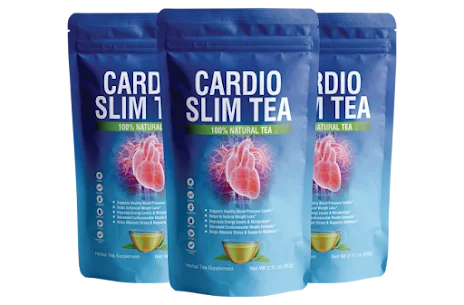
While lifestyle changes are paramount, certain natural supplements can offer supportive benefits to metabolic health and overall well-being, which can indirectly contribute to better sleep. Products like CardioSlim Tea are formulated with ingredients known to support healthy cholesterol levels, weight management, and antioxidant defense. By addressing underlying metabolic imbalances, such supplements can help create a healthier internal environment conducive to restorative sleep.
Introducing CardioSlim Tea: Your Natural Ally for Heart Health and Weight Management
In the journey towards optimal heart health, achieving healthy cholesterol levels and managing weight are crucial steps. While good sleep is foundational, incorporating targeted nutritional support can significantly enhance your efforts. CardioSlim Tea is designed to complement your healthy lifestyle, offering a blend of natural ingredients known for their cardiovascular and metabolic benefits.
CardioSlim Tea works synergistically to support various aspects of your health. By promoting healthy weight management and optimizing metabolic function, it indirectly helps create conditions favorable for better sleep and overall vitality. It's a gentle, natural way to give your body the extra support it needs.
Many individuals find that when their metabolic health improves and their bodies operate more efficiently, sleep quality naturally enhances. This is because a healthier metabolism means better hormone regulation, reduced inflammation, and less physiological stress on the body, all of which are conducive to restful sleep. For a deeper dive into the specific ingredients, you can read our article on CardioSlim Tea Ingredients: Beetroot, Hibiscus, Ginger & More.
Key Natural Ingredients in CardioSlim Tea for Metabolic & Heart Support
CardioSlim Tea harnesses the power of nature to offer a supportive boost to your cardiovascular and metabolic health. Here are some of the key ingredients and how they contribute to your well-being, indirectly fostering an environment for better sleep.
Hibiscus Flower
Role: Known for its vibrant color and tart taste, hibiscus has been traditionally used to support healthy blood pressure and cholesterol levels. Its powerful antioxidants help combat oxidative stress and inflammation, contributing to overall cardiovascular wellness. By supporting these vital functions, hibiscus helps reduce the physiological burden on the body, which can be beneficial for sleep.
Beetroot Powder
Role: Rich in nitrates, beetroot is celebrated for its ability to support healthy blood flow and blood pressure. It also contains essential vitamins and minerals that contribute to energy metabolism and cellular health. Improved circulation and metabolic efficiency can help the body relax and recover more effectively during rest.
Green Tea Extract
Role: A powerhouse of antioxidants, particularly catechins, green tea extract is widely recognized for its metabolism-boosting and fat-burning properties. It aids in healthy weight management and supports cardiovascular health by reducing oxidative damage. The L-theanine naturally present in green tea can also promote a state of calm alertness, which can indirectly support a healthier sleep-wake cycle when consumed earlier in the day.
Ginger Root
Role: Ginger is a potent anti-inflammatory and antioxidant ingredient that supports digestive health and overall well-being. By reducing systemic inflammation, ginger contributes to a healthier internal environment, which is crucial for both metabolic function and restorative sleep. A calm digestive system can also prevent discomfort that might disrupt sleep.
Cinnamon Bark
Role: Cinnamon is well-regarded for its ability to support healthy blood sugar levels and improve insulin sensitivity. By helping to stabilize glucose metabolism, cinnamon can mitigate one of the key factors linking poor sleep to cardiovascular risk. Stable blood sugar throughout the night can also prevent nocturnal awakenings caused by sugar fluctuations.
Garcinia Cambogia
Role: This tropical fruit extract contains Hydroxycitric Acid (HCA), which is often studied for its potential role in appetite control and fat metabolism. By supporting healthy weight management, Garcinia Cambogia contributes to a healthier lipid profile and reduced strain on the cardiovascular system, indirectly aiding the body's natural sleep processes.
These ingredients work together to provide comprehensive support for your metabolic and cardiovascular systems. By nurturing these core areas of health, CardioSlim Tea helps your body function optimally, making it easier to maintain healthy cholesterol levels, manage weight, and ultimately, enjoy more restful sleep.
CardioSlim Tea also comes with a generous 60-day money-back guarantee, allowing you to try it risk-free and experience the potential benefits for yourself.
Take the First Step Towards a Healthier Heart and Better Sleep with CardioSlim Tea
Don't let sleep deprivation silently undermine your cardiovascular health any longer. By combining healthy lifestyle choices with the natural support of CardioSlim Tea, you can empower your body to manage cholesterol, support healthy weight, and foster an environment conducive to restorative sleep.
- Supports Healthy Cholesterol Levels
- Aids in Natural Weight Management
- Promotes Optimal Metabolic Function
- Packed with Powerful Antioxidants
- Made with 100% Natural Ingredients



What Our Customers Are Saying
"I used to wake up feeling sluggish, and my doctor was concerned about my cholesterol. Since starting CardioSlim Tea a few months ago, alongside making an effort to get more sleep, I feel so much better. My energy is up, and my last check-up showed really promising improvements. It's truly made a difference."
"Managing my weight has always been a battle, and I knew my poor sleep wasn't helping. CardioSlim Tea has been a fantastic addition to my routine. I've noticed I'm less bloated, and my digestion feels more balanced. It's given me the gentle boost I needed to stick to healthier habits, and I'm even sleeping a bit better now."
"I was skeptical at first, but the natural ingredients in CardioSlim Tea intrigued me. I've been drinking it daily for about two months, and the results are noticeable. My cravings have reduced, and I feel lighter. It's become a pleasant part of my evening routine, helping me unwind. My cholesterol numbers are heading in the right direction!"
Frequently Asked Questions
How does lack of sleep directly affect cholesterol levels?
+Sleep deprivation can disrupt hormonal balance, particularly increasing cortisol and altering ghrelin and leptin, which can lead to increased appetite for unhealthy foods and impaired fat metabolism. This can promote the liver to produce more LDL ('bad') cholesterol and triglycerides, while potentially lowering HDL ('good') cholesterol. It also exacerbates systemic inflammation, which is known to contribute to arterial plaque buildup.
What are the broader cardiovascular risks associated with chronic poor sleep?
+Beyond cholesterol, chronic sleep deprivation significantly elevates the risk of hypertension (high blood pressure), insulin resistance, type 2 diabetes, and obesity. These conditions are major risk factors for cardiovascular disease, including heart attacks and strokes. Poor sleep also impairs endothelial function, leading to stiffer blood vessels and reduced blood flow.
Can improving my sleep habits help lower my cholesterol?
+Absolutely. Prioritizing 7-9 hours of quality sleep per night can help regulate hormones, reduce inflammation, and improve metabolic function. This, in turn, can positively influence cholesterol levels, blood pressure, and weight management, all contributing to better heart health. It's a crucial, often overlooked, component of a heart-healthy lifestyle.
How much sleep is considered optimal for heart health?
+For most adults, 7 to 9 hours of uninterrupted, quality sleep per night is recommended by health organizations. Consistently getting less than 6 hours or more than 9-10 hours can be associated with increased cardiovascular risk. The quality of sleep, including avoiding frequent awakenings, is just as important as the duration.
Are there any natural ways to improve sleep that also benefit cholesterol?
+Yes, many natural approaches benefit both. Regular exercise (but not too close to bedtime), a balanced diet rich in fiber and healthy fats (like those discussed in our article on foods to lower cholesterol naturally), stress reduction techniques (meditation, yoga), and maintaining a consistent sleep schedule are all highly effective. Avoiding caffeine and heavy meals before bed also helps. Certain natural supplements like CardioSlim Tea, with ingredients supporting metabolic health, can indirectly aid a healthier sleep-wake cycle by promoting overall wellness.
When should I seek professional help for sleep issues or high cholesterol?
+If you consistently struggle with sleep despite implementing healthy habits, or if you experience symptoms like loud snoring, daytime fatigue, or difficulty breathing during sleep, consult a doctor. For high cholesterol, regular check-ups are essential, especially if you have a family history or other risk factors. Your doctor can recommend appropriate diagnostic tests, lifestyle interventions, and, if necessary, medication or specialized treatments.
Related Articles