Struggling with high cholesterol and excess weight?
You're not alone. Millions of people worldwide face the challenge of managing elevated cholesterol levels and shedding extra pounds, both of which are significant risk factors for heart disease. The good news is that your plate holds immense power – the power to naturally and quickly influence your cardiovascular health.
This comprehensive guide, authored by Dr. Diana Peterson, a leading Cardiovascular Health Researcher, delves into the specific foods and dietary strategies that can help you transform your heart health and shed unwanted pounds, all without relying solely on medication. Discover how simple, delicious changes can make a profound difference.
Understanding High Cholesterol and Its Impact
Before we dive into solutions, it's vital to grasp what high cholesterol means for your body and why managing it is so crucial for long-term health. Cholesterol is a waxy, fat-like substance found in all your cells. Your body needs some cholesterol to make hormones, Vitamin D, and substances that help you digest foods. However, too much of certain types of cholesterol can be problematic.
There are two primary types of cholesterol you should be aware of: low-density lipoprotein (LDL), often dubbed "bad" cholesterol, and high-density lipoprotein (HDL), known as "good" cholesterol. LDL contributes to plaque buildup in your arteries, narrowing them and increasing your risk of heart attack and stroke. HDL, conversely, helps remove excess cholesterol from your arteries and transport it back to the liver for excretion. Understanding the difference between these two types is fundamental to effective management. For a more detailed explanation, you can read our article on LDL vs. HDL Cholesterol: What the Difference Means.
High cholesterol often presents no symptoms, earning it the moniker "silent killer." This makes regular screenings and proactive lifestyle choices all the more important. When combined with excess weight, the risks escalate significantly, placing greater strain on your cardiovascular system. The good news? Diet is an incredibly powerful tool for not only lowering LDL cholesterol but also improving your HDL levels and assisting with weight loss, creating a synergistic effect for better heart health.
The Foundational Role of Soluble Fiber
If there's one dietary superstar in the fight against high cholesterol, it's soluble fiber. This incredible nutrient dissolves in water to form a gel-like substance in your digestive tract, which then binds to cholesterol and prevents its absorption into the bloodstream. Instead, the cholesterol is safely carried out of your body as waste.
Incorporating soluble fiber into your daily diet is one of the quickest and most effective natural ways to lower your LDL cholesterol. Aim for 5-10 grams or more of soluble fiber daily to see significant benefits. Here are some of the best sources:
- Oats and Oat Bran: A bowl of oatmeal for breakfast is an excellent start. Oats contain beta-glucan, a type of soluble fiber particularly effective at lowering cholesterol.
- Barley: Like oats, barley is rich in beta-glucan and can be incorporated into soups, stews, or as a side dish.
- Beans and Legumes: Kidney beans, black beans, lentils, chickpeas, and peas are powerhouses of soluble fiber, protein, and other nutrients. A half-cup serving can provide several grams of fiber.
- Apples and Pears: These fruits are not only delicious but also packed with pectin, another soluble fiber that helps reduce cholesterol. Eat them with the skin on for maximum benefit.
- Citrus Fruits: Oranges, grapefruits, and lemons contain soluble fiber that contributes to cholesterol reduction.
- Psyllium Husk: This is a highly concentrated source of soluble fiber, often used as a supplement. It can be mixed into water or juice.
By making these foods a regular part of your meals, you're actively working to sweep cholesterol out of your system and protect your arteries. The added benefit? Soluble fiber also promotes feelings of fullness, which can aid in weight management by reducing overall calorie intake.
Embrace Healthy Fats, Ditch the Bad Ones
The notion that all fats are bad for cholesterol is outdated. In fact, certain fats are crucial for heart health, while others are detrimental. The key lies in understanding the difference between saturated, trans, monounsaturated, and polyunsaturated fats.
Saturated fats, found primarily in red meat, full-fat dairy, and some processed foods, raise LDL cholesterol. Trans fats, often found in fried foods and baked goods made with partially hydrogenated oils, are even worse, as they not only raise LDL but also lower beneficial HDL cholesterol. These are the fats you want to drastically limit or eliminate.
Conversely, monounsaturated (MUFAs) and polyunsaturated fats (PUFAs) are your allies. They can help lower LDL cholesterol while potentially increasing HDL. Here's where to find them:
- Avocados: Rich in MUFAs, avocados are excellent for heart health. They can be added to salads, sandwiches, or enjoyed as guacamole.
- Nuts: Almonds, walnuts, pecans, and cashews are packed with healthy fats, fiber, and plant sterols. A handful a day can significantly improve cholesterol levels.
- Seeds: Chia seeds, flaxseeds, and sunflower seeds are great sources of PUFAs, including omega-3 fatty acids, which are known for their anti-inflammatory and heart-protective effects.
- Olive Oil: Extra virgin olive oil, a staple of the Mediterranean diet, is high in MUFAs and antioxidants. Use it for cooking, salad dressings, and dipping.
- Fatty Fish: Salmon, mackerel, sardines, and tuna are rich in omega-3 fatty acids. Aim for at least two servings per week to reap their cholesterol-lowering and anti-inflammatory benefits.
By swapping unhealthy fats for these heart-healthy options, you're not just lowering your cholesterol; you're also providing your body with essential nutrients that support overall cardiovascular function and help manage inflammation, a critical factor in heart disease development.
Harnessing the Power of Plant Sterols and Stanols
Plant sterols and stanols are naturally occurring compounds found in plants that have a remarkable ability to block the absorption of dietary cholesterol in your intestines. Structurally similar to cholesterol, they compete with it for absorption, leading to a significant reduction in LDL cholesterol levels without affecting HDL. They are one of the most clinically proven dietary interventions for cholesterol reduction.
While plant sterols and stanols are present in small amounts in many plant-based foods, such as nuts, seeds, vegetable oils, and whole grains, it's often difficult to get a therapeutic dose from diet alone. For this reason, many people turn to fortified foods or supplements. Common sources include:
- Fortified Margarines and Spreads: Many brands now offer butter substitutes fortified with plant sterols or stanols.
- Fortified Orange Juice and Yogurt: Look for these products in your grocery store, as they provide a convenient way to incorporate these beneficial compounds.
- Supplements: Plant sterol/stanol supplements are available and can be an effective way to reach the recommended daily intake (typically 2 grams per day).
Studies show that consuming 2 grams of plant sterols or stanols daily can lower LDL cholesterol by 5% to 15%. This makes them a powerful addition to any cholesterol-lowering diet, especially for those looking for quick and measurable results. Always check labels for precise amounts and consult with a healthcare professional regarding appropriate dosages, especially if you are considering supplements.
Antioxidant-Rich Superfoods for Cardiovascular Protection
Beyond directly impacting cholesterol levels, many foods offer powerful antioxidant properties that protect your cardiovascular system from damage. Oxidative stress, caused by free radicals, can lead to the oxidation of LDL cholesterol, making it more harmful and contributing to arterial plaque formation. Antioxidants neutralize these free radicals, offering a protective shield for your heart.
Incorporating a wide array of colorful, antioxidant-rich foods can bolster your body's defenses and support overall heart health. These foods often come with the added benefit of being low in calories and high in fiber, aiding in weight management. Key antioxidant superfoods include:
- Berries: Blueberries, strawberries, raspberries, and blackberries are bursting with anthocyanins and other antioxidants. They're also low in sugar and high in fiber.
- Dark Leafy Greens: Spinach, kale, collard greens, and Swiss chard are rich in vitamins, minerals, and antioxidants like lutein and zeaxanthin, which are protective for both heart and eye health.
- Dark Chocolate: In moderation, dark chocolate (70% cocoa or higher) contains flavonoids, powerful antioxidants that can improve blood flow and lower blood pressure.
- Green Tea: Packed with catechins, especially epigallocatechin gallate (EGCG), green tea has been shown to improve cholesterol levels and reduce the risk of heart disease. Regular consumption can be a simple yet effective habit.
- Tomatoes: Rich in lycopene, a potent antioxidant, tomatoes can help reduce LDL cholesterol and protect against oxidative damage. Cooking tomatoes can even enhance lycopene bioavailability.
By focusing on a diet rich in these vibrant foods, you're not just targeting cholesterol; you're building a resilient cardiovascular system that is better equipped to handle the stresses of modern life. This holistic approach is key to sustained heart health and vitality.
Lean Proteins and Their Contribution to a Healthy Heart
While the focus is often on fats and carbohydrates when discussing cholesterol, the type of protein you consume also plays a significant role. Replacing sources of protein high in saturated fat with leaner alternatives can make a substantial difference in your cholesterol profile and aid in weight management.
Opting for lean protein sources helps reduce your intake of saturated fats, which are known to elevate LDL cholesterol. Furthermore, protein is essential for satiety, helping you feel fuller for longer and potentially reducing overall calorie intake, which is crucial for losing excess weight. Excellent lean protein choices include:
- Fish: Especially fatty fish like salmon, mackerel, and sardines, which provide heart-healthy omega-3 fatty acids. White fish like cod and tilapia are also excellent lean options.
- Poultry: Skinless chicken and turkey breast are great sources of lean protein. Removing the skin significantly reduces saturated fat content.
- Legumes: Beans, lentils, and chickpeas are not only rich in protein but also soluble fiber, offering a double benefit for cholesterol reduction and digestive health.
- Tofu and Tempeh: These plant-based proteins are versatile and excellent alternatives to meat, providing complete protein with no cholesterol and very little saturated fat.
- Nuts and Seeds: As mentioned earlier, they provide healthy fats, fiber, and protein, making them a triple threat against high cholesterol.
By consciously choosing lean protein sources and reducing your consumption of processed meats and high-fat red meats, you actively support a healthy cholesterol balance and contribute to a more balanced, weight-conscious diet. This shift can be one of the most impactful changes you make for your heart health.
The Crucial Link Between Excess Weight and High Cholesterol
It's impossible to discuss high cholesterol without addressing the significant role of excess weight. Being overweight or obese is a major risk factor for developing high LDL cholesterol and low HDL cholesterol, as well as high triglycerides. The fat cells, particularly those around the abdomen, are metabolically active and can influence hormone production and lipid metabolism in ways that are detrimental to cardiovascular health.
Losing even a modest amount of weight can have a profound positive impact on your cholesterol levels. For every 10 pounds you lose, you can expect a noticeable reduction in LDL cholesterol and an increase in beneficial HDL cholesterol. This is because weight loss helps to improve insulin sensitivity, reduce inflammation, and optimize the way your body processes fats.
The dietary strategies discussed – emphasizing soluble fiber, healthy fats, lean proteins, and antioxidant-rich foods – are inherently conducive to weight loss. They promote satiety, provide sustained energy, and are generally lower in calorie density compared to diets rich in processed foods, unhealthy fats, and refined sugars. Combining these dietary changes with regular physical activity creates a powerful synergy that tackles both high cholesterol and excess weight simultaneously, leading to comprehensive improvements in heart health. Furthermore, many natural remedies and supplements can offer support in this journey, as explored in our article on Herbs for Heart Health and Cholesterol Reduction.
Beyond Diet: Lifestyle Factors for Optimal Cholesterol Management
While diet forms the cornerstone of natural cholesterol reduction, it's part of a larger picture. A holistic approach that integrates other healthy lifestyle habits will amplify your results and provide lasting benefits for your heart and overall well-being.
Regular Physical Activity: Exercise is a powerful tool for improving cholesterol levels. It can significantly increase HDL ("good") cholesterol and lower triglycerides. Aim for at least 150 minutes of moderate-intensity aerobic exercise or 75 minutes of vigorous-intensity exercise per week. Activities like brisk walking, jogging, swimming, or cycling are excellent choices.
Quit Smoking: Smoking damages blood vessel walls, making them more susceptible to plaque buildup. It also lowers HDL cholesterol and increases LDL. Quitting smoking is one of the most impactful steps you can take for your heart health, often showing rapid improvements in cholesterol levels.
Limit Alcohol Intake: Moderate alcohol consumption can slightly increase HDL cholesterol, but excessive drinking can raise triglycerides and lead to other health issues. If you drink, do so in moderation: up to one drink per day for women and up to two drinks per day for men.
Manage Stress: Chronic stress can contribute to higher cholesterol levels and other cardiovascular risks. Incorporate stress-reduction techniques into your daily routine, such as meditation, yoga, deep breathing exercises, or spending time in nature.
Adequate Sleep: Poor sleep patterns have been linked to higher cholesterol and increased risk of heart disease. Aim for 7-9 hours of quality sleep per night to support your body's natural healing and regulatory processes.
By addressing these lifestyle factors alongside your dietary changes, you create a robust strategy for not only lowering cholesterol naturally and quickly but also for achieving optimal cardiovascular health and sustainable weight management. Remember, consistency is key, and small, incremental changes can lead to profound long-term benefits.
💡 Key Takeaway
Lowering cholesterol naturally and quickly hinges on prioritizing soluble fiber, healthy fats, lean proteins, and antioxidants. These dietary shifts, combined with weight management and healthy lifestyle choices like exercise and stress reduction, create a powerful, holistic strategy for transforming your cardiovascular health and shedding excess weight.
The Multifaceted Benefits of a Cholesterol-Lowering Diet
Adopting a diet focused on lowering cholesterol naturally doesn't just impact your lipid profile. It's a comprehensive approach that cascades into numerous other health benefits, enhancing your overall well-being and vitality.
Significant Reduction in LDL Cholesterol
The primary goal of a cholesterol-lowering diet is to decrease "bad" LDL cholesterol. By focusing on soluble fiber, plant sterols, and healthy fats, you actively prevent cholesterol absorption and promote its excretion, leading to measurable drops in your LDL levels.
Increase in "Good" HDL Cholesterol
While lowering LDL is crucial, increasing HDL is equally important. Foods rich in monounsaturated and polyunsaturated fats, like avocados and fatty fish, help elevate HDL, which sweeps excess cholesterol from your arteries, further protecting your heart.
Effective Weight Management
Diets high in fiber, lean protein, and healthy fats are naturally more satiating and nutrient-dense, leading to reduced calorie intake without feeling deprived. This supports sustainable weight loss, which in turn significantly improves cholesterol and triglyceride levels.
Reduced Inflammation and Oxidative Stress
Many cholesterol-lowering foods are also rich in antioxidants and anti-inflammatory compounds. These protect your blood vessels from damage caused by free radicals and chronic inflammation, key contributors to atherosclerosis and heart disease.
Improved Blood Pressure Control
A diet rich in fruits, vegetables, whole grains, and lean proteins, and low in sodium and unhealthy fats, is also a cornerstone of blood pressure management. Lowering blood pressure further reduces your risk of heart attack and stroke.
Enhanced Digestive Health and Energy
High-fiber foods promote a healthy gut microbiome and regular bowel movements, improving overall digestive function. Furthermore, a nutrient-dense diet provides sustained energy, preventing crashes and supporting an active lifestyle.
Key Natural Ingredients for Cholesterol and Weight Support
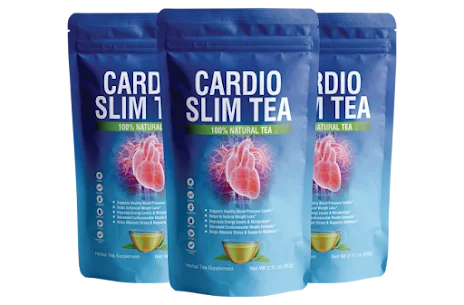
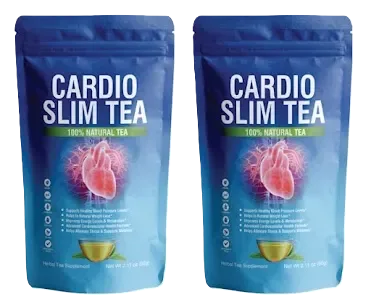
While whole foods are paramount, certain natural ingredients can provide additional support in your journey to lower cholesterol and manage weight. These ingredients are often found in supplements like CardioSlim Tea, designed to complement a healthy lifestyle.
Green Tea Extract
Role: Rich in catechins, particularly EGCG, Green Tea Extract is a potent antioxidant that supports metabolism, aids in fat burning, and has been linked to improved cholesterol levels by reducing LDL and increasing HDL. It also offers significant cardiovascular protective benefits.
Hibiscus Flower
Role: Known for its vibrant color and tart taste, Hibiscus has been studied for its potential to lower both blood pressure and LDL cholesterol. It contains powerful antioxidants that help protect against oxidative stress and support overall heart health.
Ginger Root
Role: Beyond its culinary uses, Ginger Root possesses strong anti-inflammatory and antioxidant properties. It can aid digestion, boost metabolism, and some research suggests it may help reduce cholesterol and triglyceride levels.
Cinnamon Bark
Role: Cinnamon is widely recognized for its ability to help regulate blood sugar levels, which is beneficial for weight management. Emerging research also indicates it may help lower total cholesterol, LDL cholesterol, and triglycerides, while having a neutral effect on HDL.
Garcinia Cambogia
Role: This tropical fruit extract is popular in weight loss supplements due to its active compound, hydroxycitric acid (HCA). HCA is believed to help suppress appetite, block fat production, and reduce belly fat, indirectly supporting healthy cholesterol levels through weight management.
Chromium Picolinate
Role: Chromium is an essential trace mineral that plays a role in carbohydrate and fat metabolism. It's often used to help improve insulin sensitivity and support healthy blood sugar levels, which can indirectly contribute to better cholesterol profiles and weight control.
Take the Next Step Towards a Healthier Heart with CardioSlim Tea
You've learned about the powerful foods that can naturally lower your cholesterol and aid in weight loss. Now, imagine amplifying those efforts with a delicious, all-natural tea specifically formulated to support your cardiovascular health and slimming goals. CardioSlim Tea combines scientifically-backed ingredients to give you that extra edge.
- Supports healthy cholesterol levels naturally
- Aids in effective weight management and fat burning
- Boosts metabolism and energy levels
- Packed with powerful antioxidants for heart protection
- Delicious and easy to incorporate into your daily routine


What Our Customers Are Saying
"I was skeptical at first, but after just a month of adding CardioSlim Tea to my diet, my cholesterol numbers improved significantly! Plus, I've lost 7 pounds without even trying too hard. It's become my daily ritual."
"My doctor recommended I focus on diet to lower my cholesterol. CardioSlim Tea made it so much easier. It tastes great, and I feel more energetic. My last check-up showed my LDL levels are finally where they should be!"
"As someone dealing with both high cholesterol and stubborn weight, I needed a natural boost. CardioSlim Tea has been fantastic. I've seen a noticeable difference in my waistline, and I feel lighter and healthier overall."
Frequently Asked Questions
How quickly can dietary changes lower cholesterol levels?
+Significant reductions in cholesterol can often be seen within 4-12 weeks of consistent dietary changes. Incorporating soluble fiber, healthy fats, and plant sterols daily can accelerate these results. Individual outcomes may vary based on starting levels and adherence to the diet.
What is the single most effective food group for reducing LDL cholesterol?
+While a holistic approach is best, foods rich in soluble fiber, such as oats, barley, beans, and apples, are often considered the most effective. Soluble fiber binds to cholesterol in the digestive system, preventing its absorption and aiding in its excretion.
Can I still eat red meat if I have high cholesterol?
+It's generally recommended to limit red meat intake, especially fatty cuts, as it's high in saturated fat which can raise LDL cholesterol. Opt for leaner protein sources like fish, poultry, legumes, and plant-based alternatives. If you do consume red meat, choose lean cuts and do so in moderation.
Is CardioSlim Tea suitable for everyone looking to lower cholesterol and lose weight?
+CardioSlim Tea is formulated with natural ingredients known for their potential benefits in supporting cardiovascular health and weight management. However, it's always advisable to consult with your healthcare provider before starting any new supplement, especially if you have pre-existing medical conditions, are pregnant, nursing, or taking medication.
How does CardioSlim Tea complement a cholesterol-lowering diet?
+CardioSlim Tea is designed to work synergistically with a healthy diet and active lifestyle. Its blend of natural ingredients supports metabolism, aids in fat burning, and contains antioxidants that contribute to overall cardiovascular wellness, helping you achieve your cholesterol and weight goals more effectively.
What should I do if I don't see results after making dietary changes and using supplements?
+If you're not seeing the desired results, it's crucial to consult with your doctor or a registered dietitian. They can evaluate your diet, lifestyle, and overall health to identify potential underlying issues or suggest more personalized strategies, including medication if necessary. Consistency and patience are key, but professional guidance is invaluable.
Related Articles