Are you truly aware of what your cholesterol numbers mean for your long-term health?
Cholesterol often gets a bad rap, but it's a vital substance our bodies need to build healthy cells. The real complexity, and the key to understanding your heart health, lies in differentiating between its two primary forms: Low-Density Lipoprotein (LDL) and High-Density Lipoprotein (HDL).
For many, the terms LDL and HDL are confusing, yet grasping their distinctions is fundamental to preventing cardiovascular disease. It's not just about having "high cholesterol," but understanding the balance and type of cholesterol circulating in your bloodstream that truly matters for your heart's future.
Understanding Cholesterol: More Than Just a Number
Before diving into LDL and HDL, let's clarify what cholesterol is and why it's essential for life.
Cholesterol is a waxy, fat-like substance found in all cells of your body. It's crucial for making hormones, vitamin D, and substances that help you digest food. Your body makes all the cholesterol it needs, but you also get it from certain foods. Because cholesterol is a fat and blood is water-based, it can't travel through the bloodstream on its own. To circulate, it's packaged into lipoproteins – particles made of fat (lipid) and protein. These lipoproteins are what we refer to as LDL and HDL, and their balance significantly impacts your cardiovascular health.
💡 Key Takeaway
Cholesterol is vital for bodily functions but requires lipoproteins (LDL and HDL) to travel in the blood. The type and balance of these lipoproteins are what determine their impact on your heart.
LDL Cholesterol: The "Bad" Guy You Need to Keep in Check
Low-Density Lipoprotein (LDL) is often dubbed "bad" cholesterol, and for good reason. High levels of LDL cholesterol can spell trouble for your arteries.
LDL's primary job is to transport cholesterol from the liver to cells throughout the body. When there's an excess of LDL cholesterol in the bloodstream, it can accumulate in the walls of your arteries, forming hard, thick deposits called plaque. This process, known as atherosclerosis, narrows the arteries and makes them less flexible, impeding blood flow. Over time, these plaques can rupture, leading to a blood clot that can block blood flow entirely, resulting in a heart attack or stroke. This is why managing LDL levels is a cornerstone of heart disease prevention.
Factors that contribute to high LDL include diets rich in saturated and trans fats, lack of physical activity, smoking, genetic predisposition, and carrying excess weight. Addressing these factors through lifestyle changes is paramount for lowering LDL cholesterol effectively.
HDL Cholesterol: Your Heart's Protective Ally
In stark contrast to LDL, High-Density Lipoprotein (HDL) cholesterol is celebrated as the "good" cholesterol, playing a vital role in protecting your heart.
HDL's function is often described as "reverse cholesterol transport." It acts like a scavenger, picking up excess cholesterol from your arteries and tissues and carrying it back to the liver, where it can be processed and removed from the body. This helps prevent the buildup of plaque and can even help to reduce existing plaque, effectively lowering your risk of heart disease. Higher levels of HDL are generally associated with a lower risk of cardiovascular events.
While genetics play a role, lifestyle choices significantly influence HDL levels. Regular aerobic exercise, maintaining a healthy weight, quitting smoking, and consuming moderate amounts of alcohol (if you drink) can all help to boost your HDL cholesterol. Including healthy fats like those found in avocados, nuts, seeds, and olive oil can also contribute positively to HDL levels.
💡 Key Takeaway
LDL deposits cholesterol in arteries, forming dangerous plaque, while HDL removes excess cholesterol, protecting against heart disease. A healthy balance is crucial.
Interpreting Your Cholesterol Report: What the Numbers Mean
Understanding your cholesterol test results is the first step towards taking control of your heart health. Here's a general guide:
Total Cholesterol
This is the sum of your LDL, HDL, and 20% of your triglyceride levels. A desirable total cholesterol level is generally less than 200 mg/dL. Levels between 200-239 mg/dL are borderline high, and 240 mg/dL or above is considered high.
LDL Cholesterol
For most people, optimal LDL is less than 100 mg/dL. Near optimal is 100-129 mg/dL. Borderline high is 130-159 mg/dL, high is 160-189 mg/dL, and very high is 190 mg/dL and above. Your target might be lower if you have existing heart disease or other risk factors.
HDL Cholesterol
Higher HDL is better. An HDL of 60 mg/dL or higher is considered protective against heart disease. 40-59 mg/dL is acceptable, but below 40 mg/dL is considered a major risk factor for heart disease.
Triglycerides
These are another type of fat in your blood. High triglycerides often accompany high LDL and low HDL. A desirable level is less than 150 mg/dL. Borderline high is 150-199 mg/dL, and high is 200 mg/dL or above.
It's important to discuss your specific numbers with your doctor, as individual target levels can vary based on your overall health, age, family history, and other risk factors for heart disease.
Factors Influencing Your Cholesterol Profile
While genetics play a role, many factors within your control can significantly impact your cholesterol levels.
Diet: Consuming excessive amounts of saturated and trans fats found in red meat, processed foods, and some dairy products can raise LDL cholesterol. Conversely, a diet rich in soluble fiber (oats, beans, fruits), omega-3 fatty acids (fatty fish), and plant sterols can help lower LDL and boost HDL. Learning about specific dietary changes can be a powerful tool in your cholesterol management strategy.
Physical Activity: Regular exercise, especially aerobic activity, is a potent way to improve your cholesterol profile. It can increase HDL cholesterol and help lower LDL and triglycerides. Aim for at least 150 minutes of moderate-intensity exercise per week.
Weight: Being overweight or obese, particularly with excess abdominal fat, tends to increase LDL and triglyceride levels while lowering HDL. Losing even a modest amount of weight can lead to significant improvements in your cholesterol numbers and overall heart health.
Smoking: Smoking damages blood vessels, lowers HDL cholesterol, and increases LDL. Quitting smoking is one of the most impactful steps you can take for your cardiovascular health.
Age and Gender: Cholesterol levels tend to rise with age. Before menopause, women often have lower LDL levels than men, but after menopause, women's LDL levels tend to rise.
Genetics: Family history of high cholesterol or early heart disease indicates a genetic predisposition. While you can't change your genes, lifestyle modifications become even more critical in these cases.
Strategies for Optimizing Your Cholesterol Levels
Taking proactive steps can significantly improve your cholesterol profile and reduce your risk of heart disease.
Embrace a Heart-Healthy Diet
Focus on whole, unprocessed foods. Increase your intake of fruits, vegetables, whole grains, lean proteins, and healthy fats. Limit red meat, fried foods, sugary drinks, and highly processed snacks. Soluble fiber, found in oats, apples, and beans, is particularly effective at lowering LDL.
Get Moving Regularly
Regular physical activity, such as brisk walking, jogging, swimming, or cycling, can help raise HDL cholesterol and lower LDL and triglycerides. Aim for at least 30 minutes of moderate-intensity exercise most days of the week.
Achieve and Maintain a Healthy Weight
Losing even a small amount of weight can have a profound positive impact on your cholesterol levels. If you carry excess weight, particularly around your abdomen, shedding those pounds can significantly improve your LDL and HDL balance. Strategies that support healthy weight management can be highly beneficial.
Quit Smoking
If you smoke, quitting is one of the single most important things you can do for your heart. Smoking cessation can lead to an increase in HDL cholesterol and improve overall cardiovascular health.
Consider Supportive Supplements
While not a replacement for lifestyle changes, certain natural supplements can support healthy cholesterol levels. Ingredients like plant sterols, soluble fibers, and specific herbal extracts have shown promise. Always consult your doctor before adding supplements to your regimen.
Regular Medical Check-ups
Regular blood tests to monitor your cholesterol levels are crucial. Work with your healthcare provider to set personalized goals and discuss any necessary interventions, including medication if lifestyle changes aren't enough.
The Crucial Link Between Excess Weight and Unhealthy Cholesterol
For many, managing cholesterol goes hand-in-hand with managing body weight. The connection is undeniable and significant.
Excess body weight, especially abdominal obesity (fat around the waist), is a major contributor to an unhealthy lipid profile. It often leads to higher levels of LDL cholesterol and triglycerides, while simultaneously lowering the beneficial HDL cholesterol. This combination creates a heightened risk for atherosclerosis and cardiovascular disease.
Adipose tissue (fat cells) is not just a storage depot; it's an active endocrine organ that releases hormones and inflammatory substances. These substances can interfere with the liver's ability to process cholesterol and can promote insulin resistance, further worsening lipid profiles. Losing even 5-10% of your body weight can lead to significant improvements in cholesterol numbers, blood pressure, and blood sugar control.
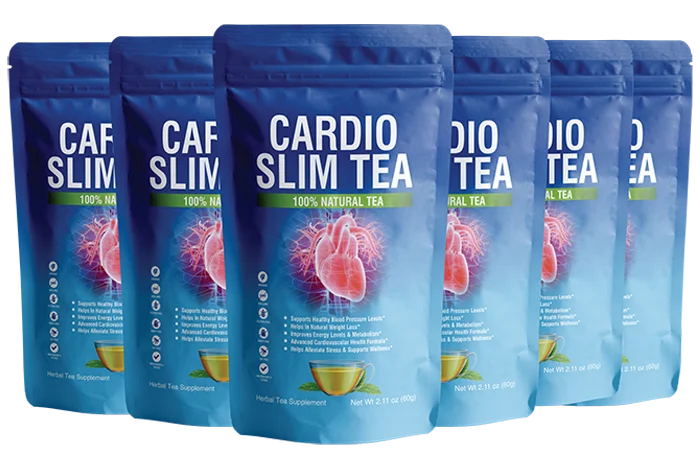
Effective weight management strategies include a balanced diet, regular physical activity, adequate sleep, and stress reduction. For those seeking additional support in their weight management journey, certain natural solutions, like specific teas formulated with metabolism-supporting ingredients, can be considered as part of a comprehensive plan. For example, some individuals find that a product like CardioSlim Tea, which blends ingredients known for their potential to support metabolism and healthy digestion, can be a helpful addition to their daily routine as they strive to achieve a healthier weight. You can learn more about CardioSlim Tea's ingredients and their benefits on our site.
💡 Key Takeaway
Excess weight directly worsens cholesterol profiles by increasing LDL and triglycerides and decreasing HDL. Weight loss is a powerful strategy for improving heart health.
Key Ingredients for Supporting Healthy Cholesterol and Weight
While CardioSlim Tea is not a magic bullet, it contains several ingredients recognized for their potential to support overall health, including aspects related to weight management and cardiovascular well-being. Here are some examples of beneficial compounds often found in health-supporting teas:
Green Tea Extract
Role: Rich in antioxidants, particularly catechins like EGCG, which may help boost metabolism, support fat oxidation, and contribute to healthy cholesterol levels by inhibiting cholesterol absorption and promoting its excretion. Typically 200-500mg extract.
Hibiscus Flower
Role: Known for its vibrant color and tart taste, hibiscus has been studied for its potential to help maintain healthy blood pressure and cholesterol levels, particularly by reducing LDL and triglycerides. Often consumed as tea, 500-1000mg dried flower.
Ginger Root
Role: A powerful anti-inflammatory and antioxidant, ginger may support healthy digestion, reduce inflammation, and has been explored for its potential to help lower cholesterol and improve metabolic markers. Typically 250-500mg extract or 1-2g dried root.
Beetroot Powder
Role: High in nitrates, which can convert to nitric oxide in the body, supporting healthy blood flow and blood pressure. Also rich in antioxidants and fiber, which contribute to overall cardiovascular health. Often 500-1000mg powder.
Garcinia Cambogia
Role: Contains Hydroxycitric Acid (HCA), which is often marketed for its potential role in weight management by suppressing appetite and inhibiting fat production. Typically 500-1000mg with 50-60% HCA.
Chromium Picolinate
Role: An essential trace mineral that plays a role in carbohydrate and lipid metabolism. It may help improve insulin sensitivity and support healthy blood sugar and cholesterol levels. Typically 100-200mcg.
These ingredients, when combined with a healthy diet and active lifestyle, can provide complementary support for your wellness goals. For real-life experiences and outcomes, you can read CardioSlim Tea reviews and real results from our customers.
Ready to Support Your Heart Health and Weight Management Naturally?
Take a proactive step towards a healthier you. CardioSlim Tea offers a unique blend of natural ingredients designed to complement your efforts in maintaining healthy cholesterol levels and managing your weight. It's a simple, delicious addition to your daily routine.
- ✓ Supports healthy metabolism and fat burning
- ✓ Formulated with potent antioxidants for cardiovascular well-being
- ✓ Helps manage appetite and cravings
- ✓ Promotes healthy digestion and detoxification
- ✓ Made with 100% natural, plant-based ingredients


What Our Customers Say About CardioSlim Tea
"I've been trying to get my cholesterol in check for years, and while I'm also watching my diet, adding CardioSlim Tea has felt like a great support. I feel lighter and more energetic, and my last check-up showed promising improvements. Highly recommend for anyone looking for a natural boost!"
"My doctor suggested focusing on weight loss to help my cholesterol. CardioSlim Tea has been a game-changer for my cravings and overall digestion. It's a pleasant part of my morning routine, and I've already lost 8 pounds in a month. Feeling much better!"
"I was skeptical at first, but the natural ingredients in CardioSlim Tea intrigued me. Not only does it taste great, but I've noticed a significant reduction in bloating and my energy levels are more stable. It's a wonderful addition to my healthy lifestyle, making it easier to stay on track."
Frequently Asked Questions
What is the primary difference between LDL and HDL cholesterol?
+LDL (Low-Density Lipoprotein) cholesterol is often called 'bad' cholesterol because high levels can lead to plaque buildup in arteries, increasing heart disease risk. HDL (High-Density Lipoprotein) cholesterol is known as 'good' cholesterol because it helps remove excess cholesterol from the arteries and transport it back to the liver for removal from the body.
What are healthy target levels for total, LDL, and HDL cholesterol?
+Generally, a desirable total cholesterol level is less than 200 mg/dL. For LDL, less than 100 mg/dL is optimal, especially for those with heart disease risk. For HDL, 60 mg/dL or higher is considered protective, while levels below 40 mg/dL are a risk factor.
Can diet and exercise really make a significant difference in cholesterol levels?
+Absolutely. A diet rich in soluble fiber, omega-3 fatty acids, and plant sterols, coupled with regular aerobic exercise, can significantly improve cholesterol profiles by lowering LDL and raising HDL. Limiting saturated and trans fats is also crucial.
How does excess weight impact cholesterol levels?
+Excess weight, particularly abdominal obesity, is strongly linked to unhealthy cholesterol levels. It can increase LDL cholesterol, lower HDL cholesterol, and raise triglyceride levels. Losing even a modest amount of weight can positively impact these markers.
Are there natural supplements that can support healthy cholesterol?
+Yes, certain natural ingredients like plant sterols, soluble fiber (e.g., psyllium), red yeast rice, and specific herbal extracts like hibiscus and ginger can offer support. Always consult a healthcare professional before starting any new supplement regimen to ensure it's appropriate for your individual health needs.
What role does genetics play in cholesterol levels?
+Genetics can significantly influence an individual's cholesterol levels, determining how efficiently your body produces, processes, and removes cholesterol. Familial hypercholesterolemia, for example, is a genetic condition causing very high LDL levels from birth. However, lifestyle choices remain vital even with a genetic predisposition.
Related Articles