Struggling with high cholesterol and persistent weight?
High cholesterol and excess weight are two of the most prevalent health challenges today, significantly increasing the risk of cardiovascular disease. Many people seek natural, effective strategies to manage these conditions without relying solely on pharmaceuticals.
Fortunately, nature offers powerful allies. Among the most promising are plant sterols and stanols, compounds found naturally in many foods that have been scientifically proven to help lower cholesterol levels. This article explores how these plant powerhouses work, where to find them, and how they can be integrated into a holistic approach to support both your heart health and weight management goals.
Understanding Cholesterol: The Good, The Bad, and The Ugly
Before diving into plant sterols and stanols, it’s essential to have a clear understanding of cholesterol itself. Often demonized, cholesterol is actually vital for many bodily functions.
Cholesterol is a waxy, fat-like substance found in all cells of your body. Your body needs cholesterol to make hormones, vitamin D, and substances that help you digest foods. Your body makes all the cholesterol it needs, but you also get cholesterol from foods you eat, such as meat, poultry, and dairy products.
There are two main types of cholesterol:
- Low-Density Lipoprotein (LDL) Cholesterol: Often referred to as "bad" cholesterol, LDL carries cholesterol to your arteries. If you have too much LDL cholesterol, it can build up in the walls of your arteries, making them hard and narrow. This buildup, called plaque, can increase your risk of heart attack, stroke, and peripheral artery disease.
- High-Density Lipoprotein (HDL) Cholesterol: Known as "good" cholesterol, HDL picks up excess cholesterol and takes it back to your liver for removal from the body. High levels of HDL cholesterol are associated with a lower risk of heart disease.
💡 Key Takeaway
Cholesterol is essential, but too much LDL ("bad") cholesterol can lead to plaque buildup in arteries, increasing heart disease risk. Effective management of LDL is vital for cardiovascular health, often alongside weight management.
Introducing Plant Sterols and Stanols: Nature's Cholesterol Blockers
For decades, scientists have been studying natural compounds that can positively impact human health. Among the most well-researched are plant sterols and stanols.
Plant sterols (also known as phytosterols) and plant stanols are natural substances found in the cell membranes of plants. They are structurally very similar to cholesterol but differ just enough to play a unique role in your body. When you consume foods containing these compounds, they compete with cholesterol for absorption in your digestive system. This competition means less dietary cholesterol gets absorbed into your bloodstream, leading to a reduction in your overall blood cholesterol levels, particularly the "bad" LDL cholesterol.
The beauty of plant sterols and stanols lies in their mechanism: they don't impact the absorption of beneficial nutrients or essential fats, nor do they interfere with HDL cholesterol. This targeted action makes them an incredibly valuable tool in a natural approach to cholesterol management. Research has consistently shown that consuming 1.5 to 3 grams of plant sterols or stanols daily can lower LDL cholesterol by 7% to 10% within just a few weeks. This is a significant reduction that can contribute substantially to reducing cardiovascular risk.
How Do Plant Sterols and Stanols Work? The Science Explained
The scientific mechanism behind plant sterols and stanols is fascinating and highly effective in reducing cholesterol levels.
When you eat, cholesterol from your food travels through your digestive system. In the small intestine, cholesterol is absorbed and then transported into the bloodstream. Plant sterols and stanols work by interfering with this process. Because their chemical structure is so similar to cholesterol, they essentially "trick" the absorption sites in your gut. Instead of cholesterol being absorbed, these plant compounds occupy the absorption pathways.
This leads to two key effects:
- Reduced Cholesterol Absorption: Plant sterols and stanols block the absorption of both dietary cholesterol and cholesterol produced by your liver, leading to a net decrease in the amount of cholesterol entering your bloodstream.
- Increased Excretion: The unabsorbed cholesterol, along with the plant sterols and stanols themselves, is then simply excreted from your body as waste.
This process primarily targets LDL cholesterol, the type most associated with plaque buildup in the arteries. Importantly, plant sterols and stanols do not significantly affect HDL cholesterol (the "good" cholesterol) or triglyceride levels, making them a specific and valuable intervention for lowering LDL. This natural blockade mechanism is why they are often recommended as a first-line dietary intervention for individuals looking to manage their cholesterol levels without medication or to enhance the effects of other cholesterol-lowering strategies.
Dietary Sources: Where to Find Plant Sterols and Stanols
While plant sterols and stanols are naturally present in many plant-based foods, the amounts are typically small. To achieve the therapeutic dose, fortified foods and supplements become important.
Natural Food Sources
Plant sterols and stanols are naturally found in small quantities in vegetable oils (like corn, soy, and sunflower oil), nuts, seeds, whole grains, legumes, fruits, and vegetables. For instance, a serving of almonds contains a modest amount, as do whole wheat bread and Brussels sprouts. However, to reach the recommended 1.5 to 3 grams per day for cholesterol reduction, you'd need to consume an impractical amount of these foods.
Fortified Foods
Due to their proven efficacy, many food manufacturers have started fortifying common food items with plant sterols and stanols. These often include margarines, yogurts, milk, orange juice, and even some cereals. These products are usually clearly labeled, indicating the amount of sterols/stanols per serving. Incorporating these into your diet can significantly boost your intake without drastic dietary changes.
Dietary Supplements
For those who find it challenging to consistently consume fortified foods or wish for a more concentrated and convenient source, dietary supplements are an excellent option. These supplements, often available as capsules, powders, or even infused into beverages like special teas, provide the precise therapeutic dose needed for optimal cholesterol reduction. This ensures you're consistently getting the right amount to make a difference.
Balanced Approach
The most effective strategy often involves a combination of dietary changes, including eating more plant-rich foods, choosing fortified options where available, and supplementing when necessary. This holistic approach ensures you're not only getting the benefits of plant sterols and stanols but also the broad spectrum of nutrients that support overall cardiovascular health. For more insights on essential nutrients, check out our article on Vitamins and Minerals for Heart Health and Cholesterol.
Beyond Cholesterol: Additional Health Benefits
While their primary role is cholesterol reduction, plant sterols and stanols, along with a diet rich in these compounds, offer broader health advantages.
Beyond their well-established cholesterol-lowering effects, diets high in foods that naturally contain plant sterols and stanols are often rich in fiber, antioxidants, and other beneficial plant compounds. These elements collectively contribute to overall wellness:
- Antioxidant Properties: Many plant-based foods are packed with antioxidants that combat oxidative stress, a key factor in the development of chronic diseases, including heart disease.
- Inflammation Reduction: A diet rich in plant foods can help reduce chronic inflammation throughout the body, further protecting blood vessels and promoting cardiovascular health.
- Gut Health: High-fiber foods support a healthy gut microbiome, which is increasingly linked to not only digestive health but also metabolic health and even cholesterol regulation.
- Blood Sugar Regulation: Whole grains, nuts, and seeds (natural sources of sterols/stanols) often have a low glycemic index, helping to stabilize blood sugar levels, which is beneficial for individuals managing their weight and at risk for type 2 diabetes.
By focusing on foods and supplements that provide plant sterols and stanols, you're not just tackling cholesterol; you're adopting a lifestyle that nurtures your entire body, supporting a vibrant and healthy future. This comprehensive approach is particularly beneficial for those managing both high cholesterol and excess weight, as many of these benefits synergistically contribute to better metabolic control.
Integrating Plant Sterols and Stanols into Your Lifestyle for Weight Management
While plant sterols and stanols directly target cholesterol, their integration into a healthy lifestyle can indirectly support weight management efforts.
Embrace Whole Foods
Foods naturally rich in plant sterols and stanols—like whole grains, nuts, seeds, fruits, and vegetables—are often high in fiber and nutrients. Fiber promotes satiety, helping you feel full longer and reducing overall calorie intake, which is crucial for weight loss.
Mindful Eating Habits
Incorporating sterol-rich foods encourages a shift towards a more plant-centric diet, which is typically lower in saturated fats and processed sugars. This dietary pattern naturally supports weight management and improves metabolic health, reducing the burden on your cardiovascular system.
Hydration & Healthy Beverages
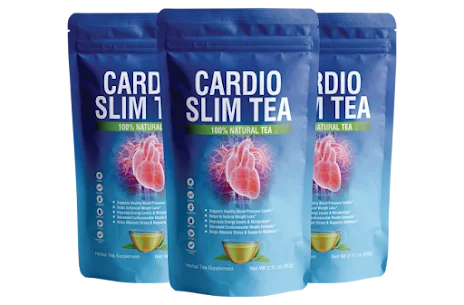
Opting for beverages that support health, such as water or certain teas, can be a game-changer. Some teas, like green tea, are known for their metabolic benefits. Choosing a tea supplement that includes plant sterols, like CardioSlim Tea, can offer a two-fold benefit for both cholesterol and weight support.
Active Lifestyle
Combining a diet rich in plant sterols and stanols with regular physical activity creates a powerful synergy for both cholesterol reduction and weight loss. Exercise not only burns calories but also improves HDL cholesterol levels and overall heart function, complementing the dietary approach.
The Role of Supplements: Enhancing Your Intake
Achieving the optimal intake of plant sterols and stanols for cholesterol reduction through diet alone can be challenging. This is where high-quality supplements become invaluable.
As discussed, the average daily intake of plant sterols and stanols from a typical diet is around 200-400 mg. To reach the clinically effective dose of 1.5 to 3 grams (1500-3000 mg) per day, you would need to consume an unrealistic amount of plant-based foods or rely heavily on specially fortified products. While fortified foods are helpful, their availability and consistency in dosage can vary.
Dietary supplements provide a concentrated, measured dose of plant sterols and stanols, ensuring you consistently meet the recommended intake for maximum benefit. This is particularly important for individuals with diagnosed high cholesterol who are looking for additional natural ways to manage their levels, or for those who struggle to maintain a diet consistently rich in these compounds. When choosing a supplement, look for products that clearly state the amount of plant sterols/stanols per serving and are from reputable manufacturers.
A well-formulated supplement can seamlessly integrate into your daily routine, providing peace of mind that you're actively supporting your cardiovascular health. For a detailed review of a popular option, you might want to read our CardioSlim Tea Review 2026.
CardioSlim Tea: A Holistic Approach to Heart Health and Weight
CardioSlim Tea is designed to offer a convenient and effective way to incorporate plant sterols and stanols, alongside other beneficial ingredients, into your daily regimen.
Phytosterol Complex
Role: A blend of plant sterols and stanols, specifically chosen for their proven ability to block cholesterol absorption in the gut, thereby reducing LDL cholesterol levels. This is the core component for cholesterol management.
1500mg - 2000mg per servingGreen Tea Extract (EGCG)
Role: Rich in powerful antioxidants, EGCG helps improve metabolism, supports fat oxidation, and contributes to overall cardiovascular health by protecting against oxidative stress and inflammation. It's a key ingredient for weight management support.
300mg - 400mg per servingGuggul (Commiphora mukul)
Role: An ancient Ayurvedic herb traditionally used to support healthy cholesterol and triglyceride levels. Guggulsterones, its active compounds, are believed to influence lipid metabolism and reduce the synthesis of cholesterol in the liver.
100mg - 200mg per servingBerberine HCl
Role: A potent alkaloid known for its ability to help regulate blood sugar, improve insulin sensitivity, and positively influence lipid metabolism, contributing to lower cholesterol and triglycerides. It also supports healthy weight.
200mg - 300mg per servingCinnamon Bark Powder
Role: Beyond its delicious flavor, cinnamon is recognized for its capacity to help manage blood sugar levels and improve insulin sensitivity, indirectly aiding in weight management and supporting healthy cholesterol profiles.
100mg - 150mg per servingChromium Picolinate
Role: An essential trace mineral that plays a vital role in carbohydrate and lipid metabolism. It enhances insulin action, which can help regulate blood sugar, reduce cravings, and support healthy weight management.
100mcg - 200mcg per servingCardioSlim Tea offers a synergistic blend, designed not only to leverage the cholesterol-reducing power of plant sterols but also to support healthy metabolism and weight management, creating a comprehensive solution for those seeking to improve their cardiovascular health naturally. It's an ideal choice for anyone looking for the Best Tea Supplement for High Cholesterol and Blood Pressure.
Take Control of Your Cholesterol and Weight Today with CardioSlim Tea!
Don't let high cholesterol and excess weight hold you back from living your healthiest life. CardioSlim Tea provides a powerful, natural solution designed to support your cardiovascular health and metabolic balance.
- ✓ Scientifically-backed plant sterols for cholesterol reduction
- ✓ Metabolism-boosting ingredients for healthy weight management
- ✓ All-natural formula, free from artificial additives
- ✓ Convenient and enjoyable daily tea ritual
- ✓ Made in the USA in a GMP-certified facility


What Our Customers Are Saying
"I've been battling high cholesterol for years, and nothing felt natural until CardioSlim Tea. My last lab results showed a noticeable drop in my LDL, and I've even shed a few pounds! It's become a daily ritual I actually look forward to."
"My doctor recommended I look into plant sterols. I found CardioSlim Tea and decided to give it a try. Not only is it easy to incorporate into my morning, but my energy levels are up, and my clothes fit better. Highly recommend for anyone serious about their heart health."
"As someone who prefers natural remedies, CardioSlim Tea has been a game-changer. My cholesterol numbers are improving, and I feel lighter and more active. It's a gentle yet powerful way to support my health goals."
Frequently Asked Questions
What exactly are plant sterols and stanols?
+Plant sterols and stanols are natural compounds found in a variety of plant-based foods. They are structurally similar to cholesterol but are not absorbed by the human body in the same way. Instead, they compete with dietary cholesterol for absorption in the gut, effectively blocking a significant amount of cholesterol from entering the bloodstream. This mechanism helps to reduce LDL (bad) cholesterol levels without affecting HDL (good) cholesterol.
How much plant sterols/stanols should I consume daily for cholesterol reduction?
+Numerous scientific studies and health organizations recommend a daily intake of 1.5 to 3 grams (1500-3000 mg) of plant sterols or stanols to achieve significant LDL cholesterol reduction. This amount is difficult to obtain through diet alone, as typical Western diets provide only about 200-400 mg per day. This is why fortified foods and supplements are often recommended to reach the therapeutic dose.
Are there any side effects associated with plant sterols and stanols?
+Plant sterols and stanols are generally considered safe and well-tolerated by most individuals. The most commonly reported side effects, which are rare and usually mild, include digestive upset such as bloating or constipation. They can slightly reduce the absorption of fat-soluble vitamins (like vitamins A, D, E, K), so it's advisable to ensure adequate intake of these vitamins, especially if relying heavily on fortified foods or supplements. Always consult your doctor before starting any new supplement.
Can plant sterols and stanols help with weight loss?
+While plant sterols and stanols directly target cholesterol absorption and not weight loss, a holistic approach to cardiovascular health often includes managing both cholesterol and weight. Many foods rich in plant sterols (like nuts, seeds, whole grains) are also high in fiber, which can promote satiety and aid in weight management. Supplements like CardioSlim Tea, which combine plant sterols with other metabolism-supporting ingredients, offer a synergistic approach to both cholesterol reduction and healthy weight management.
How does CardioSlim Tea fit into a cholesterol management plan?
+CardioSlim Tea is formulated to provide a concentrated source of plant sterols and stanols, along with other natural ingredients known for their cardiovascular and metabolic benefits. By incorporating CardioSlim Tea into your daily routine, you can conveniently achieve the recommended therapeutic intake of these compounds, supporting effective LDL cholesterol reduction. It's designed to be a complementary part of a healthy diet and active lifestyle, offering a natural and convenient way to bolster your heart health efforts.
Is CardioSlim Tea safe to take with other medications?
+While CardioSlim Tea is made with natural ingredients, it's crucial to consult with your healthcare provider before combining it with any prescription medications, especially cholesterol-lowering drugs (statins) or blood thinners. Plant sterols and stanols can have an additive effect with statins, and other ingredients might interact with certain medications. Your doctor can provide personalized advice based on your specific health condition and current medication regimen to ensure safety and efficacy.
Related Articles