Are you ready to transform your heart health and manage cholesterol naturally?
In a world saturated with quick fixes and fad diets, the timeless wisdom of the Mediterranean Diet stands out as a beacon of sustainable health. For decades, scientific research has lauded its profound benefits, particularly for cardiovascular health and the effective management of cholesterol and excess weight.
This comprehensive guide, authored by Dr. Diana Peterson, delves deep into how this delicious and vibrant eating pattern can become your most powerful ally in achieving a stronger heart and a healthier, more energetic you. We'll explore its core principles, proven advantages, and practical steps to seamlessly integrate it into your daily life.
Understanding the Mediterranean Diet: More Than Just Food
The Mediterranean Diet is not a restrictive regimen; it's a lifestyle rooted in the traditional eating patterns of countries bordering the Mediterranean Sea, such as Greece, Italy, and Spain. It's characterized by its emphasis on whole, unprocessed foods and a holistic approach to well-being.
At its core, this diet champions a rich intake of plant-based foods. This means an abundance of fresh fruits, vegetables, whole grains, legumes (beans, lentils, chickpeas), nuts, and seeds. These foods are packed with essential vitamins, minerals, antioxidants, and fiber – all crucial components for maintaining optimal health. The primary source of fat in the Mediterranean Diet is extra virgin olive oil, revered for its monounsaturated fatty acids and polyphenols, which are powerful anti-inflammatory compounds. Fish and seafood, particularly fatty fish rich in omega-3s, are consumed regularly, typically a few times a week. Poultry, eggs, and dairy products are enjoyed in moderation, while red meat and sweets are reserved for occasional treats. This balance ensures a diverse nutrient profile while limiting elements often associated with poor cardiovascular health, such as saturated and trans fats.
Beyond the plate, the Mediterranean lifestyle also incorporates regular physical activity, communal meals, and a generally relaxed approach to eating. It encourages mindful consumption, savoring flavors, and enjoying food as part of a social experience rather than just fuel. This comprehensive approach contributes significantly to its effectiveness in promoting longevity and reducing the risk of chronic diseases. For many, adopting this diet isn't just about changing what you eat; it's about embracing a richer, more fulfilling way of life that inherently supports heart health and overall vitality. It's a testament to how traditional wisdom can still provide the most effective solutions for modern health challenges, especially when it comes to managing conditions like high cholesterol and excess weight.
💡 Key Takeaway
The Mediterranean Diet is a holistic, plant-forward eating pattern rich in whole foods, healthy fats from olive oil, and lean proteins, promoting not just physical health but also a balanced lifestyle with proven benefits for the heart and weight management.
The Unrivaled Benefits for Heart Health and Cholesterol Control
The scientific community has consistently praised the Mediterranean Diet for its profound impact on cardiovascular health. Its unique composition works synergistically to protect your heart from multiple angles, making it an excellent strategy for those dealing with high cholesterol and excess weight.
Lowers "Bad" LDL Cholesterol
One of the most significant benefits of the Mediterranean Diet is its ability to reduce levels of low-density lipoprotein (LDL) cholesterol, often referred to as "bad" cholesterol. This is primarily due to its emphasis on monounsaturated fats from olive oil, polyunsaturated fats from nuts and fatty fish, and soluble fiber from fruits, vegetables, and whole grains. These components actively work to decrease LDL production and absorption, protecting your arteries from plaque buildup.
Increases "Good" HDL Cholesterol
While lowering LDL is crucial, the Mediterranean Diet also supports an increase in high-density lipoprotein (HDL) cholesterol, or "good" cholesterol. HDL helps carry cholesterol away from the arteries and back to the liver for excretion, acting as a protective mechanism against atherosclerosis. The healthy fats found in olive oil, nuts, and avocados are instrumental in boosting HDL levels, further enhancing cardiovascular protection.
Reduces Inflammation and Oxidative Stress
Chronic inflammation and oxidative stress are key drivers of heart disease. The Mediterranean Diet is rich in antioxidants and anti-inflammatory compounds, particularly from its abundance of fruits, vegetables, and olive oil. These compounds neutralize harmful free radicals and reduce systemic inflammation, safeguarding your blood vessels and heart tissue from damage. This protective effect is vital for long-term cardiac health.
Supports Healthy Blood Pressure
The diet's high content of potassium-rich foods (fruits, vegetables), magnesium, and calcium, combined with its low sodium intake (due to reduced processed foods), contributes to maintaining healthy blood pressure levels. This is another critical factor in reducing the risk of heart attack and stroke. The beneficial fats also support arterial elasticity, further aiding in blood pressure regulation.
Aids in Weight Management
Excess weight is a significant risk factor for high cholesterol and heart disease. The Mediterranean Diet, by focusing on nutrient-dense, high-fiber foods, naturally promotes satiety and helps prevent overeating. This leads to sustainable weight loss and management, which in turn improves cholesterol profiles, blood pressure, and overall metabolic health. It's a virtuous cycle of positive health outcomes.
Improves Endothelial Function
The endothelium, the inner lining of blood vessels, plays a crucial role in cardiovascular health. The Mediterranean Diet, with its rich array of antioxidants and healthy fats, helps improve endothelial function, promoting better blood flow and reducing the risk of clot formation. This ensures that your arteries remain flexible and responsive, vital for a healthy circulatory system.
Key Components of the Mediterranean Diet for Cholesterol Control
Understanding the specific foods that make the Mediterranean Diet so powerful for cholesterol management is crucial. Each component plays a vital role in creating a synergistic effect that benefits your heart.
Extra Virgin Olive Oil: The Liquid Gold. This is the cornerstone of the Mediterranean Diet. Rich in monounsaturated fatty acids (MUFAs) and polyphenols, extra virgin olive oil helps lower LDL cholesterol while providing potent antioxidant and anti-inflammatory benefits. Use it for cooking, salad dressings, and as a finishing oil. Its protective effects on the heart are well-documented, making it superior to many other cooking oils. For more ways to naturally manage your cholesterol, consider reading our article on treating high cholesterol naturally.
Fruits and Vegetables: Nature's Pharmacy. Consumed in abundance, these provide a wealth of vitamins, minerals, fiber, and antioxidants. The soluble fiber found in apples, citrus fruits, berries, and leafy greens helps bind to cholesterol in the digestive tract, preventing its absorption and aiding in its excretion. Antioxidants like those in colorful vegetables protect against oxidative damage to LDL particles, a key step in plaque formation.
Whole Grains: Fiber Powerhouses. Foods like oats, barley, brown rice, whole wheat bread, and quinoa are excellent sources of soluble and insoluble fiber. Soluble fiber, particularly beta-glucan in oats and barley, is highly effective at lowering total and LDL cholesterol. Insoluble fiber aids digestion and contributes to satiety, supporting weight management. Swapping refined grains for whole grains is a simple yet impactful change.
Legumes: Versatile and Nutrient-Dense. Beans, lentils, chickpeas, and peas are packed with soluble fiber, plant-based protein, and various micronutrients. Their high fiber content significantly contributes to cholesterol reduction. They are also a great source of plant protein, helping to reduce reliance on red meat, which can be high in saturated fat.
Nuts and Seeds: Healthy Fat & Fiber Combo. Almonds, walnuts, chia seeds, flaxseeds, and sunflower seeds provide healthy polyunsaturated and monounsaturated fats, fiber, and plant sterols. Plant sterols are compounds that compete with cholesterol for absorption in the gut, further reducing blood cholesterol levels. A handful of nuts daily can significantly contribute to heart health, but remember portion control due to their calorie density.
Fatty Fish: Omega-3 Superstars. Salmon, mackerel, sardines, and trout are rich in omega-3 fatty acids (EPA and DHA). These essential fats are known for their powerful anti-inflammatory properties, ability to lower triglycerides, and mild beneficial effects on HDL cholesterol. Aim for at least two servings of fatty fish per week to reap these benefits. The benefits of such healthy fats extend to weight management as well, a topic further explored in our guide on diets to lower cholesterol and lose weight.
Moderate Dairy, Poultry, and Eggs. These are consumed in moderation. Opt for low-fat dairy products like Greek yogurt or kefir. Poultry should be skinless, and eggs can be enjoyed a few times a week without significantly impacting cholesterol for most healthy individuals. The key here is balance and choosing leaner options.
Herbs and Spices: Flavor Without Salt. Instead of relying on salt, the Mediterranean Diet encourages the liberal use of herbs and spices to flavor dishes. This naturally reduces sodium intake, which is beneficial for blood pressure control and overall heart health. Many herbs and spices also contain powerful antioxidants.
By incorporating these elements into your diet, you're not just eating for flavor; you're actively constructing a shield against cardiovascular disease and taking proactive steps to manage your cholesterol levels effectively.
Practical Steps to Embrace the Mediterranean Lifestyle
Transitioning to a new eating pattern can seem daunting, but adopting the Mediterranean Diet is simpler than you might think. It's about making gradual, sustainable changes that lead to lifelong benefits.
Prioritize Plant-Based Foods
Make fruits, vegetables, whole grains, and legumes the stars of your meals. Fill half your plate with vegetables at lunch and dinner. Snack on fruits and nuts. This naturally increases fiber and nutrient intake while reducing less healthy options.
Switch to Olive Oil
Replace butter, margarine, and other unhealthy oils with extra virgin olive oil for cooking, baking, and dressings. Its distinctive flavor and health benefits make it an easy and rewarding swap.
Enjoy Fish Regularly
Aim for at least two servings of fatty fish (salmon, tuna, mackerel, sardines) per week. Grilling, baking, or steaming are preferred cooking methods over frying. Fish is a fantastic source of heart-healthy omega-3s.
Limit Red Meat and Sweets
Reduce your consumption of red meat to a few times a month, opting for leaner cuts. Treat sweets as an occasional indulgence rather than a daily staple. When you do have dessert, choose fruit-based options or small portions.
Incorporate Nuts, Seeds, and Legumes
Add a handful of nuts to your breakfast cereal or salad. Snack on seeds. Use beans and lentils in soups, stews, and salads. These provide fiber, protein, and healthy fats that are crucial for heart health.
Cook at Home More Often
Preparing your own meals gives you control over ingredients and portion sizes. Experiment with Mediterranean-inspired recipes that are simple, fresh, and flavorful. This also encourages mindful eating.
Stay Active
Physical activity is an integral part of the Mediterranean lifestyle. Aim for at least 30 minutes of moderate-intensity exercise most days of the week. This boosts cardiovascular health and aids in weight management.
Hydrate Wisely
Water is the primary beverage. While moderate red wine consumption (1 glass/day for women, 1-2 for men) is part of the traditional diet, it's optional and not recommended for everyone. Focus on water, herbal teas, and unsweetened coffee.
Beyond Diet: The Holistic Mediterranean Approach to Wellness
While food is a central pillar, the Mediterranean lifestyle encompasses more than just what you eat. It's a holistic approach to well-being that profoundly impacts heart health, cholesterol, and overall quality of life.
Regular Physical Activity: The Mediterranean people traditionally lead active lives, incorporating physical activity into their daily routines. This isn't necessarily about intense gym workouts, but rather about walking, gardening, dancing, or engaging in manual labor. Regular movement is crucial for maintaining a healthy weight, improving blood circulation, reducing blood pressure, and positively influencing cholesterol levels. It helps increase HDL (good) cholesterol and can reduce triglycerides, working hand-in-hand with dietary changes to fortify your heart against disease.
Social Connection and Mindfulness: Eating in the Mediterranean tradition is often a communal and joyful experience. Sharing meals with family and friends fosters social bonds, which have been linked to reduced stress and improved mental well-being. This mindful approach to eating – savoring food, enjoying conversation, and eating slowly – aids digestion and helps prevent overeating. Chronic stress can negatively impact cardiovascular health by increasing blood pressure and inflammation, so incorporating stress-reducing practices like social interaction and mindfulness is highly beneficial.
Adequate Rest and Sleep: The importance of good quality sleep cannot be overstated for heart health. Poor sleep patterns can disrupt hormones that regulate appetite, metabolism, and stress, potentially leading to weight gain and increased risk factors for heart disease. Embracing a balanced lifestyle, as advocated by the Mediterranean approach, often naturally leads to better sleep hygiene, supporting the body's natural healing and restorative processes.
By integrating these lifestyle components, you create a powerful synergy that amplifies the benefits of the Mediterranean Diet. It’s about building a sustainable framework for health that addresses not just physical needs, but also mental and emotional well-being, all of which are interconnected with your cardiovascular health. This comprehensive strategy is what truly sets the Mediterranean approach apart as a blueprint for a long, healthy, and vibrant life.
Enhancing Your Journey: How CardioSlim Tea Supports a Mediterranean Lifestyle
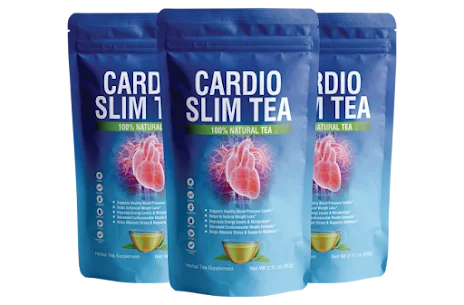
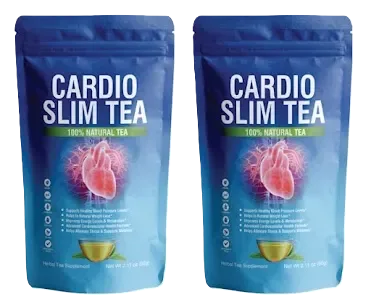
While the Mediterranean Diet offers a robust foundation for heart health and cholesterol control, some individuals may seek additional support to optimize their results, especially in managing excess weight and metabolism. CardioSlim Tea is formulated with natural ingredients designed to complement your healthy eating habits and active lifestyle.
Oolong Tea
Role: Known for its unique fermentation process, Oolong Tea is a powerhouse of antioxidants, particularly catechins and theaflavins. It's traditionally used to support metabolism and fat oxidation. Studies suggest it can help reduce LDL cholesterol and improve overall lipid profiles. Its natural caffeine content also provides a gentle energy boost, aiding in daily activity levels. The benefits of oolong tea extend beyond just weight loss; explore more in our article on Oolong Tea for Weight Loss and Heart Health.
Garcinia Cambogia Extract
Role: Derived from a tropical fruit, Garcinia Cambogia contains Hydroxycitric Acid (HCA), which is believed to help inhibit fat production and reduce appetite. This can be particularly beneficial for individuals aiming to manage their weight alongside a healthy diet, supporting caloric control and helping to prevent overeating.
Green Tea Extract
Role: A renowned superfood, Green Tea is rich in Epigallocatechin Gallate (EGCG), a potent antioxidant. EGCG is widely studied for its ability to boost metabolism, enhance fat burning, and improve insulin sensitivity. It also offers significant cardiovascular protection by supporting healthy blood pressure and cholesterol levels, aligning perfectly with the goals of the Mediterranean Diet.
Ginger Root Extract
Role: Ginger is celebrated for its anti-inflammatory and digestive properties. It can help soothe the digestive system, improve nutrient absorption, and has been traditionally used to support healthy blood sugar levels, which are crucial for overall metabolic health and weight management.
Cinnamon Bark Extract
Role: Beyond its delightful flavor, cinnamon is known for its potential to help regulate blood sugar levels and improve insulin sensitivity. Stable blood sugar is vital for preventing cravings and supporting consistent energy, which in turn aids in weight management and reduces the risk of metabolic imbalances that can affect heart health.
Apple Cider Vinegar
Role: A popular natural remedy, Apple Cider Vinegar is often used to support digestion, help control blood sugar, and promote satiety. Its acetic acid content may also play a role in fat metabolism, making it a valuable addition for those focusing on weight and cholesterol control.
CardioSlim Tea is designed to work in harmony with your efforts, offering a natural and convenient way to support your body's metabolic functions and cardiovascular health as you embrace the Mediterranean lifestyle. It's not a replacement for healthy eating, but a powerful complement.
Ready to Supercharge Your Heart Health Journey?
Combine the power of the Mediterranean Diet with CardioSlim Tea for optimal results in managing cholesterol, supporting heart health, and achieving your weight goals.
- ✓ Supports Healthy Cholesterol Levels
- ✓ Boosts Metabolism & Fat Burning
- ✓ Promotes Healthy Weight Management
- ✓ Rich in Heart-Protective Antioxidants
- ✓ Made with 100% Natural Ingredients



Real Stories, Real Results: Testimonials
"I adopted the Mediterranean Diet, and adding CardioSlim Tea has been a game-changer. My cholesterol numbers are improving, and I feel so much lighter and more energetic. It's a fantastic combination!"
"My doctor recommended the Mediterranean Diet for my high cholesterol. After a few months, I decided to try CardioSlim Tea. The results have been amazing – my LDL dropped significantly, and I've lost 15 pounds. Highly recommend!"
"As a busy mom, finding time for elaborate meals is tough. The Mediterranean principles are simple, and CardioSlim Tea gives me that extra edge for weight control and heart support. I feel more confident and healthy."
Frequently Asked Questions
What is the Mediterranean Diet and why is it good for heart health?
+The Mediterranean Diet is a traditional eating pattern inspired by the culinary habits of countries bordering the Mediterranean Sea. It emphasizes whole, unprocessed foods like fruits, vegetables, whole grains, legumes, nuts, seeds, and olive oil, with moderate consumption of fish and poultry, and limited red meat and sweets. Its benefits for heart health stem from its rich content of antioxidants, fiber, and healthy fats, which collectively help reduce inflammation, improve blood vessel function, and support healthy cholesterol levels.
How does the Mediterranean Diet help control cholesterol levels?
+The Mediterranean Diet primarily controls cholesterol by reducing the intake of saturated and trans fats, which are known to raise LDL (bad) cholesterol. Instead, it promotes monounsaturated fats (from olive oil, avocados, nuts) and omega-3 fatty acids (from fish), which can help lower LDL and increase HDL (good) cholesterol. The high fiber content from fruits, vegetables, and whole grains also plays a crucial role by binding to cholesterol in the digestive tract, preventing its absorption and aiding in its excretion.
Can the Mediterranean Diet also help with weight loss?
+Yes, the Mediterranean Diet is highly effective for sustainable weight loss. Its emphasis on nutrient-dense, high-fiber foods helps promote satiety, reducing overall calorie intake without feeling deprived. By focusing on whole foods and limiting processed items, sugary drinks, and unhealthy fats, it naturally encourages a caloric deficit while providing essential nutrients, making it an excellent choice for managing excess weight and improving metabolic health.
What are the key foods to focus on in the Mediterranean Diet?
+The core components of the Mediterranean Diet include: a daily abundance of fresh fruits and vegetables, whole grains (like oats, brown rice, whole wheat bread), legumes (beans, lentils, chickpeas), nuts and seeds. Extra virgin olive oil is the primary source of fat. Fish and seafood are consumed several times a week, while poultry, eggs, and dairy are enjoyed in moderation. Red meat and sweets are reserved for occasional consumption.
How quickly can I see results for my cholesterol and weight with this diet?
+Results can vary based on individual metabolism, adherence to the diet, and starting health status. However, many individuals begin to see improvements in cholesterol levels within a few weeks to a few months of consistent adherence. Weight loss can also be gradual and steady, typically around 1-2 pounds per week, leading to significant results over several months. Sustainable changes are often more effective than rapid ones.
How can CardioSlim Tea complement a Mediterranean lifestyle?
+CardioSlim Tea is designed to complement a healthy lifestyle, like the Mediterranean Diet, by providing targeted support for metabolism, healthy weight management, and cardiovascular well-being. Its blend of natural ingredients, such as Oolong Tea, Garcinia Cambogia, and Green Tea, can help boost fat burning, support healthy blood sugar, and provide antioxidants that further protect heart health. It serves as a natural, convenient addition to enhance the benefits of a wholesome diet and active routine.
Related Articles