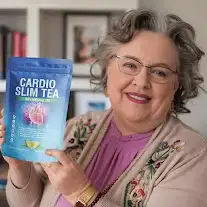
Are you aware that inflammation could be silently sabotaging your heart health, even if you're managing cholesterol?
For decades, cholesterol has been the primary villain in the story of heart disease. We’ve been told to watch our saturated fats, monitor our LDL, and strive for optimal lipid profiles. While cholesterol management remains undeniably crucial, modern cardiovascular research is increasingly highlighting a more insidious player: chronic inflammation. This silent, persistent state within your body is not just a symptom; it's a fundamental driver of heart disease, deeply intertwined with how cholesterol impacts your arteries.
Understanding this hidden connection is paramount to truly safeguarding your cardiovascular system. It means shifting our focus beyond just numbers on a lab report to embrace a holistic approach that targets the root causes of arterial damage. From diet to lifestyle and targeted support, there are powerful strategies you can employ to quell inflammation, optimize cholesterol, and protect your heart. Let's explore how these seemingly separate factors converge to influence your heart's destiny and what steps you can take today.
The Inflammatory Cascade: More Than Just a Cut or Bruise
Inflammation is your body's natural defense mechanism, a vital process that helps heal injuries and fight off infections. But when this protective response becomes chronic and uncontrolled, it transforms into a silent, destructive force, particularly for your heart.
Imagine your body's immune system as a vigilant army. When a threat appears – a cut, a virus, or bacteria – this army mobilizes, sending inflammatory cells and chemicals to the site to neutralize the danger and initiate repair. This is acute inflammation, a necessary and beneficial process. However, problems arise when this army remains on high alert, even when there's no immediate threat. This state, known as chronic low-grade inflammation, can persist for months or years, slowly eroding the health of your tissues and organs, especially your cardiovascular system.
Unlike the obvious signs of acute inflammation (redness, swelling, pain), chronic inflammation often operates in the background, without noticeable symptoms until significant damage has occurred. It's driven by a variety of factors: a diet rich in processed foods, chronic stress, lack of sleep, exposure to environmental toxins, and perhaps most significantly, excess body weight. Each of these factors can trigger a sustained release of inflammatory markers, such as C-reactive protein (CRP), interleukin-6 (IL-6), and tumor necrosis factor-alpha (TNF-α), which circulate throughout your bloodstream, causing systemic damage.
In the context of heart disease, chronic inflammation doesn't just contribute to the problem; it actively participates in the entire pathological process, from the initial damage to the blood vessel walls to the eventual rupture of atherosclerotic plaques. Understanding this fundamental mechanism is the first step towards a more effective strategy for prevention and management.
💡 Key Takeaway
Chronic low-grade inflammation, often without overt symptoms, is a persistent immune response that silently damages tissues and organs, acting as a key, often overlooked, driver in the development and progression of heart disease.
Cholesterol's Complicity: When Good Lipids Go Bad Under Inflammatory Stress
For years, LDL cholesterol has been demonized as the "bad" cholesterol. While high levels are indeed a risk factor, the story is far more nuanced. It's not just the quantity of cholesterol, but its quality and how it behaves in an inflammatory environment that truly matters.
Think of LDL cholesterol particles as tiny delivery trucks carrying lipids throughout your body. Under normal, non-inflammatory conditions, these trucks deliver their cargo efficiently. However, when chronic inflammation is present, these LDL particles become vulnerable to damage, particularly through a process called oxidation. Oxidized LDL (oxLDL) is the true villain. It's like a damaged delivery truck that spills its cargo, becoming sticky and recognized as foreign by the immune system.
Once oxidized, LDL cholesterol triggers an aggressive inflammatory response within the delicate lining of your arterial walls, known as the endothelium. Immune cells, specifically monocytes, are drawn to these inflamed areas. They penetrate the arterial wall, transform into macrophages, and begin to "eat" the oxidized LDL. This feasting turns them into bloated foam cells, which are a hallmark of early atherosclerotic plaque formation. As more foam cells accumulate, they form fatty streaks that eventually harden into mature plaques, narrowing the arteries and impeding blood flow.
This inflammatory cascade isn't just a passive bystander; it actively accelerates plaque growth and destabilization. Inflammatory chemicals released by these immune cells further weaken the fibrous cap covering the plaque. If this cap ruptures, it can lead to a sudden blood clot, causing a heart attack or stroke. Therefore, managing cholesterol effectively means not only lowering LDL levels but also protecting it from oxidation and reducing the systemic inflammation that makes it so dangerous.
This hidden connection between inflammation and cholesterol helps explain why some individuals with seemingly "normal" cholesterol levels still experience heart events. Their cholesterol might be normal in quantity, but if it's constantly under inflammatory attack, it behaves like "bad" cholesterol. This underscores the need for a comprehensive approach to heart health that addresses both lipid profiles and inflammatory markers.
The Weighty Truth: Obesity, Inflammation, and Heart Disease
One of the most significant drivers of chronic inflammation in modern society is excess body weight, particularly obesity. The connection is profound and creates a vicious cycle that accelerates cardiovascular risk.
Adipose tissue, or body fat, is far more than just an energy storage depot. It's an active endocrine organ that produces a host of hormones and inflammatory signaling molecules, known as adipokines or cytokines. In individuals with excess body fat, especially around the abdomen (visceral fat), these fat cells become stressed and dysfunctional. They release an abundance of pro-inflammatory cytokines like TNF-α, IL-6, and CRP into the bloodstream. This creates a state of chronic, low-grade systemic inflammation throughout the entire body.
This inflammation has wide-ranging detrimental effects. It contributes to insulin resistance, making it harder for your body to process blood sugar, which in turn can lead to type 2 diabetes – a major risk factor for heart disease. It also impacts lipid metabolism, often leading to higher triglycerides, lower HDL (good) cholesterol, and smaller, denser LDL particles that are more prone to oxidation and plaque formation. Furthermore, chronic inflammation exacerbates high blood pressure by affecting blood vessel elasticity and kidney function.
The good news is that weight loss, even modest amounts, can dramatically reverse this inflammatory state. Losing just 5-10% of your body weight can significantly reduce circulating inflammatory markers, improve insulin sensitivity, normalize lipid profiles, and lower blood pressure. This makes weight management not just about aesthetics or numbers on a scale, but a critical strategy for directly combating chronic inflammation and protecting your heart. For more insights on how metabolic health impacts cholesterol, you might find our article on Berberine and its role in cholesterol and weight loss particularly informative.
The role of excess weight in driving inflammation underscores the importance of a holistic approach to cardiovascular health. It's a powerful reminder that addressing metabolic health is central to calming the inflammatory storm brewing within the body.
Lifestyle Interventions: Your First Line of Defense Against Inflammation and High Cholesterol
While the connection between inflammation, cholesterol, and weight may seem complex, the solutions often lie in fundamental, actionable lifestyle changes. These are not just recommendations; they are powerful interventions that can significantly alter your health trajectory.
Embrace an Anti-Inflammatory Diet
What you eat directly impacts your body's inflammatory state. Prioritize whole, unprocessed foods: abundant fruits and vegetables, lean proteins (fish, poultry, legumes), whole grains, and healthy fats (avocado, nuts, olive oil, omega-3 rich fish). Limit processed foods, sugary drinks, refined carbohydrates, and unhealthy trans fats, which are known pro-inflammatory culprits.
Regular Physical Activity
Exercise is a potent anti-inflammatory agent. Aim for at least 150 minutes of moderate-intensity aerobic activity or 75 minutes of vigorous-intensity activity per week, combined with strength training. Physical activity helps reduce visceral fat, improves insulin sensitivity, and directly lowers inflammatory markers, benefiting both cholesterol and overall heart health.
Prioritize Quality Sleep
Chronic sleep deprivation significantly increases systemic inflammation and negatively impacts metabolic health, including cholesterol regulation. Aim for 7-9 hours of quality sleep per night. Establishing a consistent sleep schedule and creating a conducive sleep environment can make a profound difference. To delve deeper into this, read our article on sleep deprivation, cholesterol, and heart health.
Manage Stress Effectively
Chronic psychological stress triggers the release of stress hormones like cortisol, which can fuel inflammation. Incorporate stress-reduction techniques into your daily routine, such as meditation, yoga, deep breathing exercises, spending time in nature, or engaging in hobbies you enjoy. Finding healthy outlets for stress is crucial for both mental and physical well-being.
Quit Smoking and Limit Alcohol
Smoking is one of the strongest pro-inflammatory habits, directly damaging blood vessels and significantly increasing cardiovascular risk. Quitting smoking is the single most impactful step you can take for your heart health. Excessive alcohol consumption also contributes to inflammation and can negatively affect lipid profiles, so moderation is key.
Beyond Lifestyle: Targeted Support for Inflammation, Cholesterol, and Weight
While lifestyle changes form the bedrock of heart health, certain natural compounds can offer targeted support, working synergistically with your efforts to manage inflammation, optimize cholesterol, and support healthy weight.
The world of natural health offers a wealth of ingredients recognized for their potential benefits in these areas. Many botanical extracts and compounds found in nature possess potent antioxidant and anti-inflammatory properties, helping to quell the systemic inflammation that contributes to heart disease. Others are known to support healthy metabolic function, which in turn aids in weight management and improved lipid profiles. It's about finding ways to gently nudge your body back into balance, supporting its natural healing and regulatory mechanisms.
For instance, ingredients like green tea extract, known for its powerful EGCG catechins, not only act as antioxidants but can also support thermogenesis, aiding in fat metabolism. Compounds like ginger and turmeric have long been revered for their anti-inflammatory effects. Certain fibers and plant sterols can help bind to cholesterol in the digestive tract, reducing its absorption. When combined with a disciplined lifestyle, these natural aids can provide an additional layer of protection and support. For a deeper understanding of how specific compounds can assist, you may want to review real results from individuals who have incorporated targeted support into their regimen.
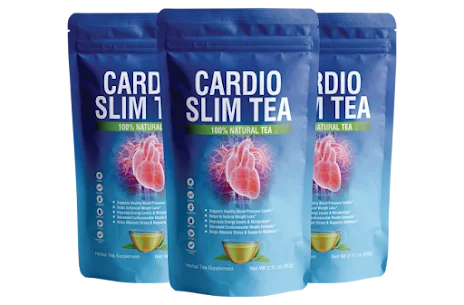
This is where carefully formulated supplements, like CardioSlim Tea, come into play. They aim to consolidate these beneficial ingredients into a convenient form, offering a blend designed to address multiple facets of cardiovascular and metabolic health. By providing targeted nutritional support, such products can assist in lowering inflammatory markers, improving cholesterol balance, and fostering a healthier body composition.
Key Ingredients in CardioSlim Tea for Comprehensive Support
CardioSlim Tea is crafted with a synergistic blend of natural ingredients, each selected for its scientifically recognized potential to support cardiovascular health, reduce inflammation, and aid in weight management. Here are some of the powerful components you'll find:
Green Tea Extract (EGCG)
Role: A powerhouse of antioxidants, particularly epigallocatechin gallate (EGCG), which combats oxidative stress and inflammation. It's also known to boost metabolism and support fat burning, contributing to healthy weight management.
Hibiscus Flower
Role: Rich in anthocyanins and other antioxidants, hibiscus has been traditionally used to support healthy blood pressure levels and may help optimize cholesterol profiles. Its anti-inflammatory properties further contribute to cardiovascular protection.
Ginger Root
Role: A potent anti-inflammatory and antioxidant, ginger helps soothe the digestive system and reduce systemic inflammation. It may also play a role in supporting healthy metabolism and reducing cholesterol absorption.
Cinnamon Bark
Role: Beyond its delightful flavor, cinnamon is recognized for its ability to help regulate blood sugar levels, improve insulin sensitivity, and support healthy cholesterol. These effects are crucial for mitigating metabolic inflammation and supporting heart health.
Berberine HCL
Role: A remarkable compound known for its significant impact on metabolic health. Berberine helps improve blood sugar control, lower LDL cholesterol and triglycerides, and activate AMP-activated protein kinase (AMPK), a master regulator of metabolism, which aids in weight management and reducing inflammation.
Garcinia Cambogia Extract
Role: Containing Hydroxycitric Acid (HCA), Garcinia Cambogia is often included in weight management formulations. It may help suppress appetite, inhibit fat production, and support healthy metabolism, thereby assisting in reducing excess weight and its associated inflammation.
Take Control of Your Heart Health Today with CardioSlim Tea
Don't let hidden inflammation and unbalanced cholesterol silently undermine your cardiovascular health. CardioSlim Tea offers a natural, comprehensive approach to support your heart, optimize your metabolism, and assist with healthy weight management.
- ✓ Supports Healthy Cholesterol Levels
- ✓ Helps Reduce Chronic Inflammation
- ✓ Boosts Metabolism for Weight Management
- ✓ Formulated with Potent Natural Ingredients
- ✓ Backed by a 60-Day Money-Back Guarantee



What Our Customers Are Saying
"I've been using CardioSlim Tea for three months, and I'm amazed by the difference. My energy levels are up, and my last cholesterol check showed significant improvement. I feel lighter and more active. Highly recommend for anyone looking for natural heart support!"
"As someone concerned about inflammation and heart health, I was looking for a natural solution. CardioSlim Tea has been fantastic. I've noticed a reduction in bloating, and my doctor commented on my improved overall markers. It's now a staple in my morning routine."
"This tea is a game-changer! I've struggled with my weight and keeping my cholesterol in check for years. CardioSlim Tea not only tastes great but has genuinely helped me feel more in control. My clothes fit better, and I have more vitality throughout the day."
Frequently Asked Questions
What is the link between inflammation and heart disease?
+Chronic inflammation plays a crucial role in the development and progression of heart disease. It can damage blood vessel walls, leading to the formation of plaque (atherosclerosis), which narrows arteries and increases the risk of heart attacks and strokes. Inflammation is not just a symptom but a key driver of cardiovascular pathology.
How does cholesterol play a role in inflammation?
+While cholesterol itself isn't inherently bad, its interaction with inflammation is detrimental. When LDL (bad) cholesterol particles become oxidized, they trigger an inflammatory response in the arterial walls. Macrophages, a type of immune cell, engulf these oxidized LDL particles, forming foam cells that accumulate to create atherosclerotic plaque. Thus, high cholesterol, especially oxidized LDL, fuels the inflammatory cycle in blood vessels.
Can weight management reduce inflammation and improve heart health?
+Absolutely. Excess body fat, particularly visceral fat around the abdomen, is a significant source of chronic low-grade inflammation. Adipose tissue releases inflammatory cytokines that circulate throughout the body, contributing to systemic inflammation. Losing weight, even a modest amount, can significantly reduce inflammatory markers, improve cholesterol profiles, lower blood pressure, and decrease the overall risk of heart disease.
What lifestyle changes can help lower inflammation and cholesterol?
+Adopting an anti-inflammatory diet rich in fruits, vegetables, whole grains, lean proteins, and healthy fats (like omega-3s) is paramount. Regular physical activity, maintaining a healthy weight, quitting smoking, moderating alcohol intake, and managing stress are also vital. Adequate sleep is another often-overlooked factor. These combined efforts form a powerful defense against chronic inflammation and high cholesterol.
How does CardioSlim Tea support cardiovascular health and weight management?
+CardioSlim Tea is formulated with a blend of natural ingredients known for their potential to support various aspects of cardiovascular health and weight management. Key components may include antioxidants that combat oxidative stress and inflammation, compounds that help optimize metabolism and fat burning, and ingredients that support healthy cholesterol levels and blood pressure. It aims to work synergistically with a healthy lifestyle to promote overall well-being.
Is CardioSlim Tea safe to use, and are there any side effects?
+CardioSlim Tea is made with natural ingredients and is generally considered safe for healthy adults when used as directed. It is manufactured in a GMP-certified facility to ensure quality and purity. However, as with any supplement, it's always recommended to consult with your healthcare provider before starting, especially if you have pre-existing medical conditions, are taking medications, or are pregnant/nursing. Minor side effects are rare but can occur.
Related Articles