Unveiling the Science Behind Green Tea's Benefits for a Stronger, Healthier Heart
For centuries, green tea has been revered in traditional medicine for its myriad health benefits. Modern science is now catching up, with a growing body of research highlighting its profound positive impact on cardiovascular health. From bolstering arterial function to helping manage cholesterol levels, this ancient beverage offers a natural and accessible path towards a stronger heart.
In a world where cardiovascular disease remains a leading health concern, understanding natural preventative strategies is more crucial than ever. Green tea, rich in powerful antioxidants and unique bioactive compounds, stands out as a promising dietary intervention for comprehensive cardiovascular protection and cholesterol support, offering a delicious way to nurture your heart daily.
Cardiovascular disease (CVD) encompasses a range of conditions that affect the heart and blood vessels, including coronary artery disease, heart attack, stroke, and high blood pressure. It remains the leading cause of death globally, underscoring the critical need for effective prevention strategies.
Factors contributing to CVD are diverse and often interconnected. They include high cholesterol, particularly elevated levels of low-density lipoprotein (LDL) cholesterol, which can lead to plaque buildup in the arteries. This process, known as atherosclerosis, narrows and hardens arteries, restricting blood flow to the heart and other vital organs. Other significant risk factors involve hypertension (high blood pressure), diabetes, obesity, physical inactivity, smoking, and chronic inflammation. Understanding these risk factors is the first step in taking proactive measures to safeguard your heart health.
While lifestyle changes such as a balanced diet and regular exercise are foundational, scientific research increasingly points to the benefits of incorporating specific foods and beverages that offer additional protective effects. Among these, green tea has emerged as a particularly promising candidate, backed by a growing body of evidence supporting its role in cardiovascular protection.
Cardiovascular disease is a complex health challenge influenced by multiple risk factors like high cholesterol and blood pressure. Adopting preventative strategies, including incorporating beneficial foods and drinks like green tea, is vital for long-term heart health.
Green tea's remarkable health benefits stem from its rich composition of bioactive compounds, primarily a group of antioxidants called catechins. These powerful molecules work synergistically to provide comprehensive support for your cardiovascular system.
Alongside EGCG, green tea contains other significant catechins such as epigallocatechin (EGC), epicatechin gallate (ECG), and epicatechin (EC). These compounds work in concert to enhance the overall antioxidant capacity of green tea. They contribute to reducing systemic inflammation, improving endothelial function (the inner lining of blood vessels), and supporting healthy blood pressure levels by promoting vasodilation. Their combined action provides robust protection against cellular damage.
Dose: Varies, typically 30-50% of total catechin content
Green tea is also rich in various flavonoids, a broad class of plant compounds with diverse health benefits. These include quercetin, kaempferol, and myricetin. Flavonoids possess strong antioxidant and anti-inflammatory properties that further contribute to cardiovascular protection. They help strengthen blood vessel walls, reduce capillary permeability, and improve overall circulation, all of which are vital for maintaining a healthy heart and vascular system.
Dose: Varied, found abundantly in green tea
Unique to tea, L-Theanine is an amino acid known for its calming effects. While not a direct cardiovascular agent, its ability to promote relaxation and reduce stress indirectly benefits heart health. Chronic stress is a known risk factor for various heart conditions, including high blood pressure. By mitigating stress and improving mental well-being, L-Theanine contributes to a more balanced physiological state, thereby supporting a healthier heart.
Dose: 50-200mg per serving
One of the most well-researched benefits of green tea for heart health is its ability to positively influence cholesterol levels. High levels of low-density lipoprotein (LDL) cholesterol, often referred to as "bad" cholesterol, are a primary driver of atherosclerosis.
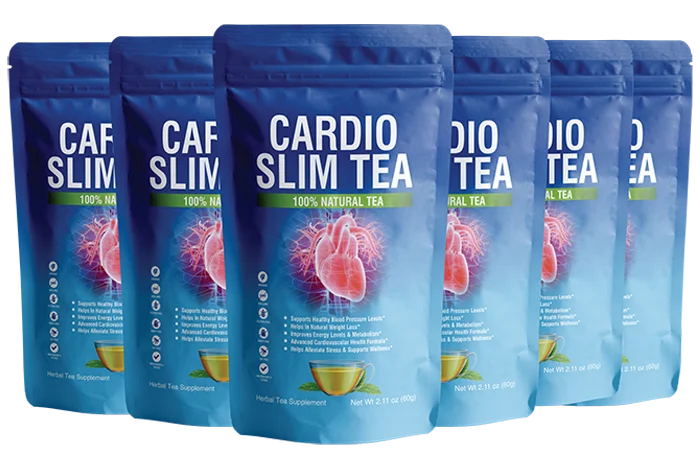
The catechins in green tea, particularly EGCG, play a crucial role in cholesterol management through several mechanisms. Firstly, they can inhibit the absorption of dietary fats and cholesterol in the intestines. This means less cholesterol makes its way into your bloodstream from the foods you eat. Secondly, green tea compounds have been shown to enhance the activity of LDL receptors in the liver, leading to more efficient removal of LDL cholesterol from circulation. Studies have consistently demonstrated that regular green tea consumption can lead to a significant reduction in total cholesterol and LDL cholesterol levels, while often having a neutral or even beneficial effect on high-density lipoprotein (HDL) cholesterol, or "good" cholesterol. Maintaining a healthy balance between LDL and HDL is fundamental for preventing plaque buildup and ensuring optimal cardiovascular function. For those looking to support healthy cholesterol levels naturally, incorporating green tea into their daily routine, perhaps through a high-quality supplement like CardioSlim Tea, can be a valuable strategy.
High blood pressure, or hypertension, is a major risk factor for heart disease and stroke. Green tea's compounds contribute to blood pressure regulation through multiple pathways, making it a valuable addition to a heart-healthy lifestyle.
The catechins in green tea promote the production of nitric oxide (NO), a powerful vasodilator that helps relax and widen blood vessels. When blood vessels are relaxed, blood flows more freely, reducing the pressure against arterial walls. Furthermore, green tea's antioxidant properties help protect the delicate lining of blood vessels, known as the endothelium, from oxidative damage. A healthy endothelium is essential for proper blood vessel function and elasticity. Chronic inflammation and oxidative stress can impair endothelial function, leading to stiffening of arteries and increased blood pressure. By reducing inflammation and oxidative stress, green tea helps maintain arterial flexibility and responsiveness, contributing to lower and healthier blood pressure levels. Several meta-analyses of clinical trials have shown that regular green tea intake can lead to modest but significant reductions in both systolic and diastolic blood pressure, particularly in individuals with pre-hypertension or mild hypertension.
Green tea's protective effects on the heart extend far beyond cholesterol and blood pressure, offering a holistic approach to cardiovascular wellness.
The endothelium is the inner lining of your blood vessels, playing a critical role in vascular health. Green tea catechins, especially EGCG, help maintain the integrity and function of the endothelium. This improvement is vital for preventing the initiation and progression of atherosclerosis, as a healthy endothelium can better regulate blood vessel tone, blood clotting, and immune responses.
Chronic inflammation is increasingly recognized as a key contributor to cardiovascular disease. Green tea's powerful antioxidants and polyphenols possess significant anti-inflammatory effects. By reducing systemic inflammation, green tea helps protect blood vessels from damage and reduces the risk of plaque rupture, a common cause of heart attacks and strokes.
Oxidative stress, caused by an imbalance between free radicals and antioxidants, damages cells and contributes to various chronic diseases, including CVD. Green tea is a powerhouse of antioxidants that scavenge free radicals, protecting LDL cholesterol from oxidation (a critical step in atherosclerosis) and safeguarding cardiac cells from damage. This robust antioxidant defense is fundamental for long-term heart health.
Obesity is a significant risk factor for heart disease, high blood pressure, and diabetes. Green tea can play an indirect but important role in heart health by supporting healthy weight management. Its compounds can enhance fat oxidation and boost metabolism, making it a beneficial component of a natural metabolism-boosting regimen. Even modest weight loss can significantly reduce cardiovascular risk.
Blood clots can lead to serious cardiovascular events like heart attacks and strokes. Some research suggests that green tea may have mild anti-thrombotic properties, meaning it could help prevent the formation of harmful blood clots. This effect is thought to be related to its ability to inhibit platelet aggregation, further contributing to its protective profile against acute cardiovascular events.
Harnessing the cardiovascular benefits of green tea doesn't have to be complicated. Incorporating this healthful beverage into your daily routine can be a simple yet effective step towards a healthier heart.
For optimal benefits, aim for 2-5 cups of freshly brewed green tea daily. When brewing, use water just below boiling (around 175-185°F or 80-85°C) and steep for 2-3 minutes to extract the most catechins without bitterness. Opt for high-quality loose-leaf green tea or reputable tea bags to ensure you're getting a rich concentration of beneficial compounds. If the taste of plain green tea isn't appealing, consider adding a slice of lemon, which can also enhance the absorption of catechins. For those with caffeine sensitivity, decaffeinated green tea options are available, though some processing methods may reduce catechin content. Alternatively, if brewing tea daily isn't practical or you're seeking a more concentrated dose, a high-quality green tea supplement can be an excellent option. Products like CardioSlim Tea offer a convenient way to get a standardized dose of green tea's powerful compounds, ensuring consistent intake for maximum heart health support. Always discuss any new supplement regimen with your healthcare provider, especially if you have existing health conditions or are taking medications.
While green tea offers remarkable benefits, it's part of a larger picture of cardiovascular wellness. A truly heart-healthy lifestyle involves multiple synergistic components.
Prioritize a diet rich in fruits, vegetables, whole grains, lean proteins, and healthy fats. Limit processed foods, excessive sugar, unhealthy trans and saturated fats, and high sodium intake. A Mediterranean-style diet is often recommended for its proven cardiovascular benefits.
Aim for at least 150 minutes of moderate-intensity aerobic activity or 75 minutes of vigorous-intensity activity per week. This can include brisk walking, jogging, swimming, or cycling. Regular exercise strengthens the heart muscle, improves circulation, and helps manage weight, blood pressure, and cholesterol.
Getting 7-9 hours of quality sleep per night is crucial for heart health. Poor sleep patterns can contribute to high blood pressure, obesity, and diabetes, all of which are risk factors for cardiovascular disease. Establish a consistent sleep schedule and create a relaxing bedtime routine.
Chronic stress can negatively impact heart health by increasing blood pressure and inflammation. Incorporate stress-reducing techniques such as meditation, yoga, deep breathing exercises, spending time in nature, or engaging in hobbies you enjoy. Managing stress effectively is a powerful tool for cardiovascular protection.
Smoking is one of the most significant risk factors for heart disease. Quitting smoking is the single best thing you can do for your heart. Excessive alcohol consumption can also raise blood pressure and contribute to heart problems. Moderate intake, if any, is key.
Routine visits to your doctor are essential for monitoring blood pressure, cholesterol levels, blood sugar, and other key indicators of heart health. Early detection and management of risk factors can prevent the progression of cardiovascular disease. Discuss any concerns or symptoms promptly.
While green tea is generally safe and well-tolerated for most individuals, it's important to be aware of potential side effects and considerations, especially when consuming it in large quantities or as a concentrated supplement.
The primary consideration for many is its caffeine content. A typical 8-ounce cup of green tea contains about 20-45 mg of caffeine, significantly less than coffee but still enough to cause issues for sensitive individuals. Excessive caffeine intake can lead to jitters, anxiety, sleep disturbances, and an increased heart rate. If you are sensitive to caffeine, consider decaffeinated green tea or limit your intake, particularly in the evening. Green tea also contains tannins, which can sometimes interfere with the absorption of iron from plant-based foods. If you are prone to iron deficiency, it's advisable to consume green tea between meals rather than with them. Furthermore, high doses of green tea extract, particularly on an empty stomach, have been rarely linked to liver issues in some sensitive individuals. This is why it's crucial to follow recommended dosages for supplements and consult a healthcare professional before starting any new regimen, particularly if you have pre-existing liver conditions or are taking medications. For example, green tea may interact with blood-thinning medications (due to its vitamin K content), certain heart medications, and stimulants. Always inform your doctor about all supplements and herbal remedies you are taking to ensure safety and prevent adverse interactions. Overall, when consumed in moderation as part of a balanced diet, green tea remains a safe and beneficial beverage for heart health.
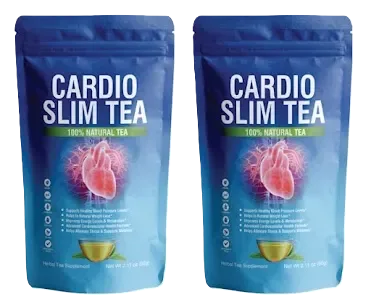
CardioSlim Tea harnesses the potent benefits of green tea and other natural compounds to offer comprehensive cardiovascular protection and cholesterol support. Formulated for purity and efficacy, it's the easy way to incorporate heart-healthy goodness into your daily routine.
"I've been drinking green tea for years, but CardioSlim Tea has taken my heart health efforts to the next level. My recent check-up showed better cholesterol numbers, and I feel more energetic. It's become an essential part of my morning routine."
"My doctor recommended I look into natural ways to support my cardiovascular health. After some research, I found CardioSlim Tea. The taste is great, and I've noticed a significant improvement in my overall well-being. It truly feels like I'm doing something good for my heart."
"I was skeptical at first, but the science behind green tea and heart health convinced me to try. CardioSlim Tea made it so easy to get the benefits. I'm thrilled with the results – I feel lighter, more focused, and my blood pressure readings have been consistently good."
Green tea contains catechins, particularly EGCG, which can interfere with the absorption of dietary fats and cholesterol in the digestive tract. It also supports the liver's ability to process and excrete cholesterol, leading to a reduction in LDL ("bad") cholesterol levels while potentially maintaining or increasing beneficial HDL cholesterol.
Most studies suggest that consuming 2 to 5 cups of green tea per day can provide significant cardiovascular benefits. This typically delivers a sufficient amount of catechins and other beneficial compounds. However, individual needs and caffeine sensitivity should be considered.
While generally safe, green tea can interact with certain medications, including blood thinners (due to vitamin K content) and some stimulants. It's crucial to consult your doctor or a healthcare professional before significantly increasing your green tea intake or starting any new supplement, especially if you are on heart medication.
Both green and black teas contain beneficial flavonoids, but green tea is less processed, retaining higher concentrations of catechins like EGCG. Black tea undergoes fermentation, which converts many catechins into other compounds like theaflavins and thearubigins, which also have health benefits but a different profile. Green tea is often highlighted for its superior antioxidant power directly related to its catechin content.
High-quality green tea supplements, like CardioSlim Tea, can offer concentrated doses of beneficial compounds like EGCG, providing a convenient alternative for those who don't consume enough brewed tea. However, it's important to choose reputable brands that standardize their extracts and ensure purity. Always consult with a healthcare provider before taking supplements.
Yes, regular consumption of green tea has been associated with modest reductions in blood pressure. Its catechins promote the production of nitric oxide, which helps relax and widen blood vessels, improving blood flow. Additionally, its antioxidant and anti-inflammatory effects contribute to healthier arterial function, which is key for blood pressure regulation.