Are You Stressing Your Way to High Cholesterol and Heart Disease?
In our fast-paced modern world, stress has become an unwelcome constant. From demanding jobs to personal challenges, the pressures of daily life can feel relentless. While we often associate stress with mental exhaustion or physical tension, its impact extends far deeper, silently wreaking havoc on our internal systems, particularly our cardiovascular health.
Many people are unaware that chronic stress is a powerful, often overlooked, contributor to high cholesterol and an increased risk of heart disease. It's not just about what you eat or how much you exercise; how you manage stress plays a critical role in your heart's longevity and your overall metabolic well-being. Understanding this intricate connection is the first step towards safeguarding your most vital organ.
The Stress Response: A Double-Edged Sword for Your Body
To understand how stress impacts your cholesterol and heart, we first need to grasp the body's fundamental stress response, often called the "fight or flight" mechanism.
When you encounter a perceived threat, whether it’s a tight deadline or a looming financial concern, your brain signals the adrenal glands to release a cascade of hormones. The primary players are cortisol, often dubbed the "stress hormone," and adrenaline (epinephrine). These hormones are designed to give you a burst of energy and heightened awareness to deal with immediate danger, a survival mechanism honed over millennia.
Adrenaline quickly elevates your heart rate, increases blood pressure, and boosts energy supply. Cortisol, on the other hand, provides a more sustained response, increasing blood sugar (glucose) and suppressing non-essential bodily functions like digestion and the immune system. While incredibly useful in short bursts for acute threats, the problem arises when this response becomes chronic. Modern life rarely presents life-or-death situations, but it does expose us to persistent, low-grade stressors that keep our bodies in a perpetual state of alert. This chronic activation is where the damage begins, affecting nearly every system in the body, especially the cardiovascular system.
One of the most insidious ways chronic stress impacts health is through its influence on our metabolism and inflammatory pathways. When the body is constantly preparing for an emergency, it prioritizes energy availability. This means mobilizing fats and sugars into the bloodstream, which, over time, can lead to elevated levels of both, setting the stage for metabolic dysfunction and cardiovascular problems.
💡 Key Takeaway
The body's "fight or flight" stress response, while crucial for survival, becomes detrimental when chronically activated. Persistent release of cortisol and adrenaline leads to sustained high blood sugar, elevated heart rate, and systemic inflammation, creating a fertile ground for high cholesterol and heart disease.
The Direct Link: How Stress Elevates Cholesterol
The connection between stress and cholesterol isn't always obvious, but research has illuminated several direct pathways through which chronic stress can lead to unhealthy lipid profiles.
Firstly, the sustained release of cortisol directly influences lipid metabolism. Cortisol stimulates the liver to produce more glucose and triglycerides, which are a type of fat found in the blood. When triglyceride levels rise, they are often accompanied by an increase in very-low-density lipoproteins (VLDL), which are precursors to low-density lipoprotein (LDL) cholesterol – often referred to as "bad" cholesterol. High levels of VLDL and LDL are major risk factors for atherosclerosis, the hardening and narrowing of the arteries.
Secondly, stress can lead to a decrease in high-density lipoprotein (HDL) cholesterol, or "good" cholesterol. HDL helps remove excess cholesterol from the arteries and transport it back to the liver for excretion. When stress hormones disrupt this delicate balance, HDL levels can fall, leaving more LDL cholesterol to accumulate in the bloodstream and arterial walls.
Furthermore, chronic stress often triggers a state of systemic inflammation throughout the body. Inflammation itself plays a critical role in the development and progression of atherosclerosis. When blood vessels are inflamed, they become more susceptible to the accumulation of cholesterol plaques. Stress hormones can exacerbate this inflammatory response, creating a vicious cycle where inflammation drives cholesterol deposition, and cholesterol further fuels inflammation.
Beyond these direct physiological effects, stress often leads to behavioral changes that indirectly impact cholesterol. Many people cope with stress by adopting unhealthy habits such as emotional eating, consuming more processed foods high in saturated fats and sugars, increasing alcohol intake, and reducing physical activity. These lifestyle choices are well-known contributors to elevated LDL and triglyceride levels and can counteract any efforts to maintain healthy cholesterol. For more insights on diet, consider reading our article on Diet to Lower Cholesterol and Lose Weight.
Stress, Weight Gain, and the Metabolic Cascade
The interplay between stress, weight gain, and cholesterol is a complex metabolic cascade that significantly elevates the risk of heart disease.
Cortisol and Abdominal Fat
Chronic elevation of cortisol specifically promotes the storage of fat around the abdominal area. This "visceral fat" is metabolically active and releases inflammatory substances and fatty acids directly into the liver, further contributing to insulin resistance and unhealthy lipid profiles, including higher triglycerides and lower HDL cholesterol.
Stress Eating and Cravings
Stress often triggers emotional eating, leading individuals to crave high-calorie, high-sugar, and high-fat "comfort foods." These foods provide temporary solace but contribute directly to weight gain and the consumption of unhealthy fats that raise LDL cholesterol. The body's natural reward system is hijacked, reinforcing these unhealthy eating patterns.
Disrupted Sleep Patterns
Stress frequently interferes with sleep quality and duration. Poor sleep is linked to hormonal imbalances that increase appetite (ghrelin) and decrease satiety (leptin), making weight management more challenging. It also impacts glucose metabolism and insulin sensitivity, further contributing to metabolic syndrome, a cluster of conditions including high cholesterol and excess weight.
Reduced Physical Activity
When stressed, many people find themselves too exhausted or overwhelmed to exercise. A sedentary lifestyle is a major contributor to weight gain, poor cardiovascular fitness, and unhealthy cholesterol levels. Exercise is not only crucial for burning calories but also for improving HDL cholesterol and reducing triglycerides.
Inflammation and Insulin Resistance
The chronic inflammation fueled by stress and excess weight can lead to insulin resistance, where the body's cells don't respond effectively to insulin. This results in higher blood sugar levels, increased fat storage, and a higher risk of type 2 diabetes, which in turn significantly elevates the risk of high cholesterol and heart disease.
The Broader Impact: Stress and Overall Heart Health
High cholesterol is just one piece of the puzzle. Chronic stress affects your heart in numerous other ways, compounding the risk of cardiovascular disease.
Beyond its direct impact on cholesterol and weight, chronic stress has a profound effect on the entire cardiovascular system. One immediate effect is the sustained elevation of blood pressure. When adrenaline and cortisol surge, blood vessels constrict, and the heart pumps harder, leading to temporary spikes in blood pressure. Over time, if stress is chronic, these temporary spikes can lead to persistent hypertension, a primary risk factor for heart attacks, strokes, and kidney disease.
Stress also directly impacts the heart's rhythm. Studies have shown that chronic psychological stress can increase the risk of developing arrhythmias, or irregular heartbeats, including atrial fibrillation. These arrhythmias can reduce the heart's pumping efficiency and increase the risk of blood clot formation, potentially leading to stroke.
Furthermore, the inflammatory state induced by chronic stress not only affects cholesterol but also damages the inner lining of blood vessels, making them more prone to plaque formation. This process, known as endothelial dysfunction, is a critical early step in the development of atherosclerosis. The plaques can eventually rupture, leading to blood clot formation that can block an artery, causing a heart attack or stroke.
It's also worth noting that stress can lead to unhealthy behaviors that indirectly harm the heart. Besides poor diet and lack of exercise, many individuals turn to smoking or excessive alcohol consumption as coping mechanisms. Both smoking and heavy drinking are major independent risk factors for heart disease, further escalating the danger posed by stress. Addressing these habits is crucial for comprehensive heart protection. For a broader look at effective weight loss strategies, you might find our article on Weight Loss Remedies That Work insightful.
Strategies for Stress Management: Protecting Your Heart
Recognizing the pervasive influence of stress on your heart health is the first step. The next is to actively implement strategies to manage it effectively.
Mindfulness & Meditation
Practicing mindfulness and meditation helps quiet the mind, reduce the physiological stress response, and foster a sense of calm. Even a few minutes daily can lower cortisol levels, improve blood pressure, and enhance overall well-being. Apps and guided meditations make it accessible for everyone.
Regular Physical Activity
Exercise is a powerful stress reliever. It releases endorphins, natural mood elevators, and helps burn off excess stress hormones. Aim for at least 30 minutes of moderate-intensity exercise most days of the week. This also directly benefits cholesterol levels and weight management.
Nature & Social Connection
Spending time outdoors and fostering strong social connections have been shown to reduce stress and improve mental health. Nature has a calming effect, while supportive relationships provide emotional buffering against life's challenges.
Prioritize Quality Sleep
Adequate sleep (7-9 hours per night for most adults) is fundamental for stress resilience and metabolic health. Establish a consistent sleep schedule, create a relaxing bedtime routine, and optimize your sleep environment to improve sleep quality.
Healthy Diet & Hydration
Nourish your body with a balanced diet rich in whole foods, fruits, vegetables, and lean proteins. Avoid excessive caffeine, sugar, and processed foods, which can exacerbate stress and negatively impact cholesterol. Stay well-hydrated throughout the day.
Time Management & Boundaries
Learning to prioritize tasks, say no when necessary, and set healthy boundaries can significantly reduce daily stressors. Effective time management techniques can help prevent feelings of overwhelm and restore a sense of control.
The Role of Natural Support in Cholesterol & Weight Management
While lifestyle changes are paramount, certain natural ingredients can offer complementary support in managing cholesterol, aiding weight loss, and enhancing overall cardiovascular health.
Many individuals seek natural ways to complement their stress management efforts and support healthy cholesterol and weight. This is where targeted nutritional support can play a role. Certain botanicals and compounds have been studied for their ability to influence metabolism, reduce inflammation, and support healthy lipid profiles. For instance, the power of tea, particularly Oolong, is well-documented; you can learn more by reading about Oolong Tea for Weight Loss and Heart Health.
Supplements formulated with a blend of such ingredients aim to tackle multiple aspects of cardiovascular and metabolic health. These often include ingredients known for their thermogenic properties (boosting metabolism), appetite suppression, fat oxidation support, and even adaptogenic qualities that help the body cope with stress. When selecting a supplement, it's crucial to look for products with transparent ingredient lists, supported by scientific research, and manufactured under strict quality controls.
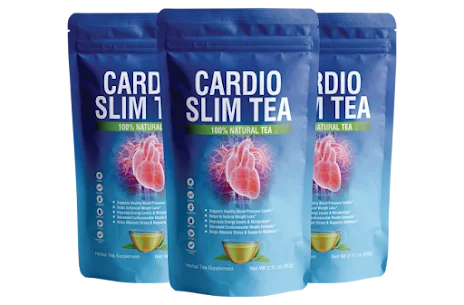
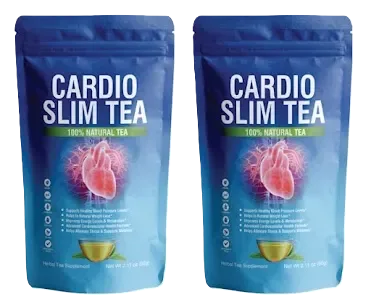
CardioSlim Tea, for example, is formulated with a synergistic blend of natural ingredients designed to support healthy cholesterol levels, promote effective weight management, and contribute to overall heart health. By combining well-researched botanicals and compounds, it offers a holistic approach to supporting your body's natural functions. It's important to remember that supplements are intended to complement a healthy lifestyle, not replace it. Always consult with your healthcare provider before introducing any new supplement into your regimen, especially if you have existing health conditions or are taking medication.
Key Natural Ingredients in CardioSlim Tea for Holistic Support
CardioSlim Tea harnesses the power of nature to provide comprehensive support for your cardiovascular health and weight management goals. Here are some of its core ingredients:
Oolong Tea Extract
Role: Known for its ability to boost metabolism, enhance fat oxidation, and reduce cholesterol absorption. Rich in antioxidants called catechins, which support cardiovascular health.
Garcinia Cambogia
Role: Contains Hydroxycitric Acid (HCA), which is believed to suppress appetite and inhibit an enzyme that helps convert carbohydrates into fat, thus supporting weight loss.
Green Tea Extract
Role: A powerful antioxidant, particularly EGCG, which promotes thermogenesis (calorie burning), supports fat metabolism, and helps maintain healthy cholesterol levels.
L-Carnitine
Role: An amino acid derivative that plays a crucial role in the transport of fatty acids into the mitochondria for energy production, aiding fat burning and supporting heart muscle function.
Chromium Picolinate
Role: An essential trace mineral that helps improve insulin sensitivity, supports healthy blood sugar levels, and can help reduce cravings for carbohydrates, assisting in weight management.
Raspberry Ketones
Role: A natural compound that may increase adiponectin levels, a hormone involved in regulating metabolism, which can lead to increased fat breakdown and weight loss support.
African Mango Extract
Role: Derived from the seeds of the African mango tree, it's known for its potential to support weight loss by influencing leptin levels (a hormone that regulates appetite) and assisting in cholesterol management.
Cayenne Pepper
Role: Contains capsaicin, which can boost metabolism, increase thermogenesis, and help reduce appetite, contributing to calorie burning and weight control.
Panax Ginseng
Role: An adaptogen known for its ability to help the body cope with stress, improve energy levels, and support metabolic health, including potential benefits for blood sugar and cholesterol regulation.
L-Theanine
Role: An amino acid found in tea leaves, it promotes relaxation without drowsiness, reduces stress, and improves focus, supporting mental well-being which is crucial for stress management.
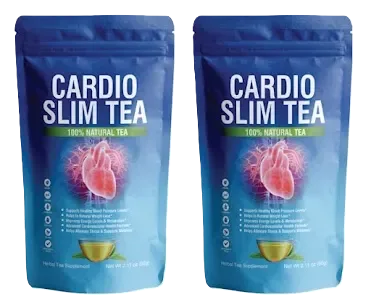
Take Control of Your Heart Health and Weight with CardioSlim Tea
Don't let chronic stress and its consequences silently undermine your health. CardioSlim Tea offers a powerful, natural solution designed to support your body in maintaining healthy cholesterol levels, shedding excess weight, and boosting overall cardiovascular vitality.
- ✓ Supports healthy cholesterol and triglyceride levels
- ✓ Boosts metabolism for effective weight management
- ✓ Natural ingredients to help manage stress and cravings
- ✓ Promotes cardiovascular wellness and energy
- ✓ Made in the USA, GMP Certified, 100% Natural


Real People, Real Results
"I was skeptical, but CardioSlim Tea has genuinely helped me. My last cholesterol check showed significant improvement, and I feel less stressed and more energetic. Plus, I've lost 10 pounds without drastic changes!"
"My doctor told me to manage my stress for my heart, and CardioSlim Tea became part of my routine. I've noticed a calming effect and a definite reduction in my cravings. It's a game-changer for my wellness journey."
"Finally, something that helps with both weight and cholesterol naturally! I love that it's a tea, easy to incorporate, and has no jitters. My blood pressure is also looking better. Highly recommend."
Frequently Asked Questions
How does chronic stress specifically raise cholesterol levels?
+Chronic stress triggers the release of cortisol and adrenaline, hormones that signal the body to prepare for 'fight or flight.' This response includes mobilizing energy stores, leading to increased production of glucose and fatty acids. The liver then processes these fatty acids into very-low-density lipoproteins (VLDL), which are precursors to LDL ('bad') cholesterol. Additionally, stress can promote inflammation, which further impacts cholesterol metabolism and uptake in the arteries.
Can managing stress really help lower my cholesterol, or do I need medication?
+While severe cases of high cholesterol often require medication, managing stress can absolutely play a significant role in improving cholesterol levels, especially when combined with a healthy diet and regular exercise. By reducing the physiological stress response, you can lower cortisol levels, decrease inflammation, and indirectly support healthier lipid profiles. Lifestyle interventions, including stress reduction techniques, are often the first line of defense and can sometimes reduce the need for or dosage of medication, under a doctor's supervision.
What are the most effective stress management techniques for heart health?
+Effective stress management techniques for heart health include mindfulness meditation, deep breathing exercises, yoga, regular physical activity, spending time in nature, maintaining strong social connections, ensuring adequate sleep, and practicing time management. Identifying and addressing the root causes of stress, where possible, is also crucial. Incorporating these practices daily can significantly mitigate the negative effects of stress on your cardiovascular system.
Is there a direct link between stress, weight gain, and high cholesterol?
+Yes, there's a strong direct link. Chronic stress often leads to elevated cortisol levels, which can promote abdominal fat storage, increase appetite (especially for unhealthy comfort foods), and disrupt metabolic processes, all contributing to weight gain. This excess weight, particularly around the midsection, is a known risk factor for dyslipidemia (unhealthy cholesterol levels) and insulin resistance, both of which negatively impact heart health. The combination creates a vicious cycle that elevates cardiovascular risk.
How quickly can I see improvements in my cholesterol levels by reducing stress?
+The timeline for seeing improvements can vary greatly depending on the individual, the severity of stress, and the consistency of stress management efforts. Some people might notice positive shifts in mood and energy within weeks, which can indirectly support healthier lifestyle choices. Measurable changes in cholesterol levels typically take a few months of consistent effort, alongside other healthy habits like diet and exercise. Regular monitoring with your doctor is essential to track progress.
Beyond stress management, what else can I do to support healthy cholesterol and weight?
+In addition to stress management, adopting a heart-healthy diet rich in fruits, vegetables, whole grains, lean proteins, and healthy fats (like those found in avocados and nuts) is crucial. Limiting saturated and trans fats, refined sugars, and processed foods is key. Regular physical activity, aiming for at least 150 minutes of moderate-intensity exercise per week, is also vital. Ensuring adequate sleep, avoiding smoking, and moderating alcohol intake complete a comprehensive approach. Natural supplements, like CardioSlim Tea, can also be considered as part of a holistic strategy to support metabolism and overall cardiovascular well-being.
Related Articles