Are you looking for a natural way to support your heart, manage cholesterol, and shed excess weight?
In today's fast-paced world, maintaining optimal heart health and a healthy weight can feel like an uphill battle. High cholesterol and excess body weight are two significant contributors to cardiovascular disease, affecting millions globally. The good news is that nature provides powerful allies in this fight, and among the most potent are omega-3 fatty acids.
These essential fats are not just another nutrient; they are foundational to a healthy heart and metabolism. Understanding their profound impact can empower you to make informed dietary and lifestyle choices, paving the way for a vibrant, healthier future. Embrace a holistic approach that includes key nutrients and lifestyle adjustments, and you might just discover the transformative potential of omega-3s for your cardiovascular health and weight management journey.
What Exactly Are Omega-3 Fatty Acids?
Before diving into their benefits, let's understand what these crucial fats are and why they're so vital for our health.
Omega-3 fatty acids are a type of polyunsaturated fat that our bodies cannot produce on their own. This means they are "essential" and must be obtained through our diet. There are three primary types of omega-3s relevant to human physiology: Alpha-Linolenic Acid (ALA), Eicosapentaenoic Acid (EPA), and Docosahexaenoic Acid (DHA).
ALA is primarily found in plant sources like flaxseeds, chia seeds, and walnuts. While beneficial, the body's conversion of ALA to the more active forms, EPA and DHA, is often inefficient. EPA and DHA are the superstars of omega-3s, predominantly found in fatty fish and marine algae. These two are directly involved in a myriad of physiological processes, particularly those related to heart health and inflammation.
Their unique chemical structure allows them to integrate into cell membranes throughout the body, influencing cell function and communication. This foundational role makes them indispensable for everything from brain health to joint mobility, and critically, for maintaining a robust cardiovascular system and managing metabolic functions linked to weight.
Understanding the distinction between these types is important, especially when considering dietary sources and supplementation. While ALA contributes to overall fatty acid intake, the most direct and potent benefits for heart health and cholesterol management come from adequate intake of EPA and DHA.
💡 Key Takeaway
Omega-3 fatty acids, particularly EPA and DHA, are essential fats that our bodies cannot produce. They are crucial for cellular function, inflammation regulation, and play a foundational role in supporting heart health, managing cholesterol, and aiding in weight management efforts.
Omega-3s: The Cornerstone of Cardiovascular Health
The evidence linking omega-3 fatty acids to profound cardiovascular benefits is extensive and continually growing.
One of the most well-established benefits of EPA and DHA is their ability to significantly reduce triglyceride levels in the blood. Triglycerides are a type of fat that, when elevated, can increase the risk of heart disease. Omega-3s work by reducing the production of very-low-density lipoprotein (VLDL) in the liver, which is the primary carrier of triglycerides in the bloodstream. This direct action makes them a powerful tool in managing lipid profiles.
Beyond triglycerides, omega-3s also contribute to maintaining healthy blood pressure. Research indicates that regular intake can lead to modest reductions in both systolic and diastolic blood pressure, particularly in individuals with hypertension. This effect is attributed to their role in improving endothelial function – the health of the inner lining of blood vessels – and their anti-inflammatory properties that help relax blood vessels.
Furthermore, omega-3s possess potent anti-inflammatory effects. Chronic inflammation is a key driver of atherosclerosis, the hardening and narrowing of arteries that underlies most cardiovascular diseases. By modulating inflammatory pathways, EPA and DHA help protect blood vessels from damage and reduce the risk of plaque buildup. They also contribute to preventing blood clot formation, which can lead to heart attacks and strokes, by making platelets less "sticky."
The benefits extend to improving the overall structure and function of the heart. Omega-3s can help reduce the risk of arrhythmias (irregular heartbeats) and may contribute to better heart muscle function post-heart attack. Their comprehensive impact on various aspects of cardiovascular health makes them an indispensable nutrient for anyone looking to protect their heart.
Navigating Cholesterol: How Omega-3s Make a Difference
Cholesterol management is a complex but critical aspect of heart health, and omega-3s play a nuanced yet important role.
When discussing cholesterol, it's essential to differentiate between Low-Density Lipoprotein (LDL), often called "bad" cholesterol, and High-Density Lipoprotein (HDL), known as "good" cholesterol. While omega-3s are not typically prescribed as a primary treatment for high LDL cholesterol, their impact on the overall lipid profile is highly beneficial.
As mentioned, omega-3s are highly effective at lowering triglycerides. High triglycerides are often found in conjunction with low HDL and elevated small, dense LDL particles, which are particularly atherogenic (plaque-forming). By reducing triglycerides, omega-3s can indirectly lead to an improvement in the quality of LDL particles, making them less harmful, and can also help increase HDL cholesterol levels. Higher HDL levels are protective against heart disease because HDL helps transport cholesterol away from the arteries and back to the liver for excretion.
Moreover, the anti-inflammatory and antioxidant properties of omega-3s protect cholesterol particles from oxidation, a process that makes LDL cholesterol much more damaging to arterial walls. This protective effect helps to slow the progression of atherosclerosis, regardless of direct changes in LDL numbers. Therefore, while a doctor might recommend statins for significantly high LDL, incorporating omega-3s remains a powerful complementary strategy to enhance overall lipid health and reduce cardiovascular risk.
For a deeper dive into natural ways to manage cholesterol, you might find our article on "Best Tea Supplements for High Cholesterol & Blood Pressure" particularly insightful.
Beyond the Heart: Omega-3s and Weight Management
The benefits of omega-3s extend beyond cardiovascular health, offering significant support for those struggling with excess weight.
Weight management is a multifaceted challenge, but omega-3 fatty acids can contribute to several key mechanisms that aid in healthy weight loss. Firstly, they are believed to play a role in boosting metabolism. Studies suggest that omega-3s can enhance the activity of enzymes involved in fat burning and increase the number of mitochondria in cells, which are the powerhouses that convert food into energy. A more efficient metabolism means your body can burn more calories, even at rest.
Secondly, omega-3s may help reduce appetite and increase satiety. By influencing hormones that regulate hunger and fullness, such as leptin and ghrelin, these fats can help you feel fuller for longer after meals, potentially leading to reduced overall calorie intake and fewer cravings. This can be a game-changer for individuals who struggle with overeating or frequent snacking.
Furthermore, chronic inflammation is often associated with obesity and metabolic dysfunction. As powerful anti-inflammatory agents, omega-3s can help combat systemic inflammation, which may make it easier for the body to lose weight and improve insulin sensitivity. Improved insulin sensitivity is crucial for preventing fat storage and promoting the use of glucose for energy.
While omega-3s are not a magic bullet for weight loss, incorporating them into a balanced diet and regular exercise routine can provide a significant advantage. They support the body's natural fat-burning processes and help create an internal environment conducive to shedding excess pounds, complementing other healthy lifestyle choices.
Key Benefits of Incorporating Omega-3s into Your Diet
Embracing omega-3s means investing in a holistic approach to health, with benefits spanning multiple vital systems.
Supports Optimal Heart Function
Omega-3s are crucial for maintaining the structural integrity of heart cells and improving their electrical stability, which helps prevent irregular heartbeats. They also enhance the overall efficiency of cardiac muscle contraction, ensuring your heart pumps blood effectively throughout your body.
Reduces Harmful Triglyceride Levels
One of the most direct impacts of EPA and DHA is their ability to significantly lower blood triglyceride concentrations. This action is vital for reducing the risk of atherosclerosis and other cardiovascular complications associated with elevated blood fats.
Promotes Healthy Cholesterol Balance
By increasing beneficial HDL cholesterol and influencing the size and density of LDL particles, omega-3s contribute to a more favorable lipid profile. This helps to reduce the accumulation of plaque in arteries and supports overall arterial health.
Aids in Blood Pressure Regulation
Regular intake of omega-3s has been shown to contribute to modest reductions in blood pressure, particularly in individuals with hypertension. This is achieved by improving the flexibility of blood vessels and reducing inflammation within the circulatory system.
Supports Natural Weight Management
Omega-3s can boost metabolism, enhance fat burning, and increase feelings of satiety, making them a valuable adjunct to weight loss efforts. They help create a more favorable metabolic environment, supporting your body's ability to shed excess pounds.
Reduces Systemic Inflammation
As powerful anti-inflammatory agents, EPA and DHA help to quell chronic inflammation throughout the body. This is critical not only for cardiovascular health but also for overall well-being, including joint health and reducing the risk of various chronic diseases.
Optimal Sources and Recommended Intake of Omega-3s
To reap the full benefits of omega-3s, knowing where to find them and how much to consume is key.
The most bioavailable sources of EPA and DHA are fatty fish, such as salmon, mackerel, sardines, herring, and anchovies. Aiming for at least two servings of fatty fish per week is a common recommendation. For those who don't consume fish, or are concerned about mercury content, algal oil supplements are an excellent plant-based source of pre-formed EPA and DHA.
Plant-based sources like flaxseeds, chia seeds, walnuts, and hemp seeds provide ALA. While beneficial, remember that the conversion to EPA and DHA is limited. Including these in your diet is still valuable for overall nutrient intake.
Regarding recommended intake, general guidelines suggest a daily intake of 250-500 mg of combined EPA and DHA for healthy adults. However, for individuals with specific health concerns like high triglycerides, heart disease, or significant inflammation, your doctor may recommend higher doses, often ranging from 1,000 to 4,000 mg per day. It's always best to consult with a healthcare professional to determine the appropriate dosage for your individual needs.
When choosing an omega-3 supplement, look for products that are third-party tested for purity and potency, ensuring they are free from heavy metals and contaminants. The label should clearly state the amounts of EPA and DHA per serving.
Beyond Omega-3s: Holistic Strategies for Heart and Weight
While omega-3s are powerful, a truly healthy heart and body require a comprehensive approach.
Balanced Nutrition
Focus on a diet rich in whole foods, including fruits, vegetables, lean proteins, and complex carbohydrates. Limit processed foods, excessive sugars, and unhealthy fats. This foundational approach supports all bodily functions, including metabolism and cardiovascular health.
Regular Physical Activity
Engage in at least 150 minutes of moderate-intensity aerobic exercise or 75 minutes of vigorous-intensity exercise per week, combined with muscle-strengthening activities on two or more days. Exercise is crucial for weight management, blood pressure, cholesterol, and overall heart strength.
Stress Management Techniques
Chronic stress can negatively impact heart health and contribute to weight gain. Incorporate stress-reducing practices like meditation, yoga, deep breathing exercises, or spending time in nature. Managing stress is vital for hormonal balance and overall well-being.
Adequate Sleep
Aim for 7-9 hours of quality sleep per night. Poor sleep can disrupt hormones that regulate appetite and metabolism, leading to increased cravings and weight gain. Prioritizing sleep is a simple yet powerful strategy for both heart health and weight.
Hydration
Drinking plenty of water throughout the day is essential for metabolic processes, detoxification, and maintaining energy levels. Often, thirst can be mistaken for hunger, so staying well-hydrated can help with appetite control and overall bodily function.
Synergistic Support: Key Ingredients in CardioSlim Tea
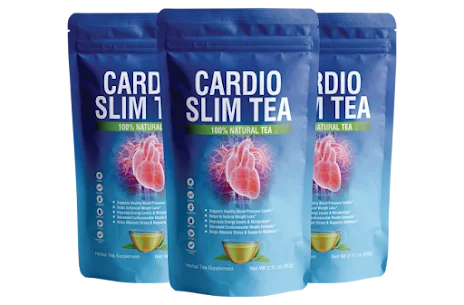
While omega-3s are vital, combining them with other natural ingredients can amplify their benefits for heart health and weight loss. CardioSlim Tea offers a blend designed to synergistically support your goals.
Green Tea Extract (EGCG)
Role: A powerful antioxidant, EGCG boosts metabolism and fat oxidation. It supports cardiovascular health by improving blood flow and reducing oxidative stress, contributing to better cholesterol management and weight loss.
Garcinia Cambogia (HCA)
Role: Contains Hydroxycitric Acid (HCA), which is believed to suppress appetite and inhibit an enzyme called citrate lyase, involved in fat production. This helps in reducing fat accumulation and supporting healthy weight loss efforts.
Chromium Picolinate
Role: An essential trace mineral that enhances insulin sensitivity, helping the body metabolize carbohydrates, fats, and proteins more efficiently. This can lead to better blood sugar control, reduced cravings, and support for healthy weight.
African Mango Extract
Role: Derived from the seeds of the African mango tree, this extract is thought to support weight loss by influencing leptin levels (a hormone that regulates appetite and metabolism) and promoting fat breakdown.
L-Carnitine
Role: An amino acid derivative that plays a crucial role in transporting fatty acids into the mitochondria, where they are burned for energy. This process can enhance fat burning and improve energy levels, aiding in weight management.
White Kidney Bean Extract
Role: Acts as a "carb blocker" by inhibiting the digestive enzyme alpha-amylase, which breaks down complex carbohydrates. This can reduce the absorption of carbs, leading to fewer calories consumed and supporting weight loss.
For real stories and results from individuals who have incorporated CardioSlim Tea into their health journey, explore our CardioSlim Tea Reviews: Real Results page.
Unlock Your Health Potential with CardioSlim Tea
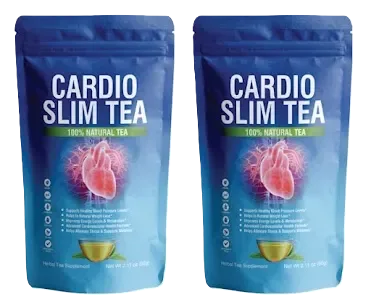
Combining the powerful benefits of omega-3s with a natural, metabolism-boosting tea can be a game-changer for your heart health and weight goals. CardioSlim Tea is meticulously crafted with scientifically-backed ingredients to support your journey towards a healthier, happier you.
- ✓ Supports Healthy Cholesterol & Triglyceride Levels
- ✓ Boosts Metabolism for Natural Fat Burning
- ✓ Promotes Cardiovascular Wellness & Energy
- ✓ Made with 100% Natural, Premium Ingredients
- ✓ Easy-to-Use & Delicious Daily Ritual




What Our Customers Are Saying
"I was skeptical at first, but CardioSlim Tea, combined with my new diet, really helped me get my cholesterol numbers under control. My doctor was impressed, and I've lost 12 pounds too! It's now part of my daily routine."
"After struggling with weight and high triglycerides for years, I decided to try CardioSlim Tea. The taste is great, and I feel more energetic. My last blood test showed a significant drop in triglycerides. Highly recommend for anyone serious about their heart health!"
"This tea is fantastic! I started drinking it a few months ago to help with my weight loss goals, and it has exceeded my expectations. Not only am I shedding pounds, but I also feel lighter and my digestion has improved. A true find for natural health."
Frequently Asked Questions
What are omega-3 fatty acids and why are they important for heart health?
+Omega-3 fatty acids are a group of polyunsaturated fats essential for human health, particularly cardiovascular well-being. They are crucial because our bodies cannot produce them, meaning they must be obtained through diet or supplements. The most vital types are Eicosapentaenoic Acid (EPA) and Docosahexaenoic Acid (DHA), primarily found in fatty fish, and Alpha-Linolenic Acid (ALA), found in plant sources. These fatty acids play a significant role in reducing inflammation, lowering triglyceride levels, and maintaining healthy blood pressure, all of which are key factors in preventing heart disease.
How do omega-3s help with cholesterol management?
+While omega-3s are most known for their triglyceride-lowering effects, they also contribute to overall cholesterol management. They can help increase levels of high-density lipoprotein (HDL) cholesterol, often referred to as 'good' cholesterol, which helps remove excess cholesterol from the arteries. Although their direct impact on low-density lipoprotein (LDL) cholesterol ('bad' cholesterol) is less pronounced, by improving the overall lipid profile and reducing inflammation, omega-3s contribute to a healthier cardiovascular system and better cholesterol balance.
Can omega-3s assist in weight loss?
+Yes, omega-3 fatty acids can indirectly support weight management. They are known to enhance metabolism, helping the body burn fat more efficiently. Furthermore, some studies suggest that omega-3s can increase satiety, making you feel fuller for longer and potentially reducing overall calorie intake. They also play a role in reducing inflammation, which is often linked to obesity and metabolic dysfunction. Incorporating omega-3s into a balanced diet and active lifestyle can therefore be a valuable part of a weight loss strategy.
What are the best dietary sources of omega-3s?
+The richest sources of the beneficial EPA and DHA omega-3s are fatty fish such as salmon, mackerel, sardines, tuna, and herring. For those following a plant-based diet, ALA omega-3s can be found in flaxseeds, chia seeds, walnuts, and some fortified foods. While the body can convert a small amount of ALA into EPA and DHA, it's generally more efficient to consume EPA and DHA directly from marine sources or high-quality supplements.
How does CardioSlim Tea complement an omega-3 rich diet?
+CardioSlim Tea is formulated with a blend of natural ingredients designed to support metabolic health, aid in weight management, and promote cardiovascular well-being. While omega-3s focus on lipid profiles and inflammation, CardioSlim Tea's ingredients like Green Tea Extract and Garcinia Cambogia can boost metabolism, support fat burning, and provide antioxidant benefits. Together, they offer a comprehensive approach to managing cholesterol, supporting heart health, and achieving healthy weight loss goals.
Is CardioSlim Tea safe to use with other supplements or medications?
+CardioSlim Tea is made with natural ingredients and is generally considered safe for most adults. However, if you are currently taking other supplements, prescription medications, or have any pre-existing medical conditions, it is crucial to consult with your healthcare provider or a board-certified cardiologist like Dr. Lawrence Cook before starting any new supplement regimen, including CardioSlim Tea. This ensures there are no potential interactions or contraindications specific to your health profile.
Related Articles