Can Intermittent Fasting Truly Transform Your Heart Health?
In a world constantly seeking innovative approaches to wellness, intermittent fasting (IF) has emerged from ancient practices into the spotlight of modern health. Beyond its popular association with weight loss, a growing body of scientific research points to its profound potential for enhancing cardiovascular health and optimizing cholesterol levels.
For millions grappling with high cholesterol and excess weight – two primary risk factors for heart disease – the prospect of a simple, yet powerful dietary intervention is incredibly appealing. This article delves deep into the mechanisms through which intermittent fasting impacts your heart, offering a comprehensive guide to understanding its benefits and how it can be integrated into a holistic approach to well-being.
Understanding Intermittent Fasting: More Than Just a Diet
Intermittent fasting isn't about *what* you eat, but *when* you eat. It cycles between periods of eating and voluntary fasting, shifting your body's metabolic state and triggering a cascade of beneficial cellular processes.
At its core, intermittent fasting (IF) is a patterned approach to eating that has gained significant traction for its potential health benefits, particularly in the realm of cardiovascular wellness and weight management. Unlike traditional diets that focus heavily on caloric restriction or specific food groups, IF primarily dictates the timing of your meals. The idea is to allow your body sufficient time between meals to fully process food, utilize stored energy, and engage in crucial cellular repair mechanisms.
There are several popular methods of intermittent fasting, each offering a different structure:
- 16/8 Method (Leangains Protocol): This is arguably the most popular and easiest to follow. It involves fasting for 16 hours each day and confining your eating to an 8-hour window. For example, you might skip breakfast, eat lunch at 12 PM, and finish dinner by 8 PM.
- 5:2 Method: With this approach, you eat normally for five days of the week and restrict your calorie intake to 500-600 calories on two non-consecutive days.
- Eat-Stop-Eat: This involves a 24-hour fast once or twice a week. For instance, you might finish dinner on Monday at 7 PM and not eat again until dinner on Tuesday at 7 PM.
- Alternate-Day Fasting: This method alternates between days of normal eating and days of significant calorie restriction (often 25% of your usual intake).
💡 Key Takeaway
Intermittent fasting is a dietary pattern that cycles between eating and fasting, shifting the body's metabolism. It's not about caloric restriction but timing, with methods like 16/8, 5:2, and Eat-Stop-Eat being popular choices to trigger beneficial cellular processes.
The Science Behind Intermittent Fasting and Heart Health
Beyond simple calorie reduction, intermittent fasting triggers a series of metabolic shifts that directly benefit the cardiovascular system, from cellular repair to improved blood sugar control.
The benefits of intermittent fasting for heart health extend far beyond just shedding a few pounds. When you fast, your body undergoes several profound biological changes at the cellular and molecular level. These changes are crucial for preventing and managing cardiovascular diseases:
- Cellular Repair (Autophagy): During fasting, your body initiates cellular repair processes, including autophagy, where cells remove old, damaged proteins and cellular components. This "cellular cleanup" is vital for optimal cell function and can contribute to healthier arterial walls and reduced risk of atherosclerosis.
- Improved Insulin Sensitivity: Frequent eating, especially of refined carbohydrates, can lead to insulin resistance, a precursor to type 2 diabetes and a significant risk factor for heart disease. IF helps improve insulin sensitivity, meaning your cells respond better to insulin, leading to more stable blood sugar levels and reduced strain on your pancreas.
- Reduced Inflammation: Chronic low-grade inflammation is a major driver of heart disease. Studies suggest that intermittent fasting can significantly reduce markers of inflammation in the body, protecting blood vessels and reducing the risk of plaque buildup.
- Blood Pressure Regulation: High blood pressure is a silent killer and a primary risk factor for heart attacks and strokes. Intermittent fasting has been shown to help lower blood pressure, even independently of weight loss, by improving vascular function and reducing sympathetic nervous system activity.
- Weight Management and Visceral Fat Reduction: Perhaps the most obvious benefit, IF naturally leads to a reduction in overall calorie intake, promoting weight loss. Crucially, it helps target visceral fat, the dangerous fat stored around organs that is strongly linked to heart disease and metabolic dysfunction.
- Enhanced Antioxidant Defenses: Fasting can upregulate the body's natural antioxidant systems, helping to combat oxidative stress, which damages cells and contributes to the progression of heart disease.
These interconnected mechanisms highlight why intermittent fasting is gaining recognition as a powerful tool in the fight against cardiovascular disease and for promoting overall longevity. For more insights into natural remedies for heart health, you might find our article on natural heart health remedies for high cholesterol particularly helpful.
Intermittent Fasting's Direct Impact on Cholesterol Levels
One of the most compelling aspects of intermittent fasting for heart health is its ability to positively influence lipid profiles, specifically targeting problematic cholesterol markers.
Lowering LDL ("Bad") Cholesterol
Studies indicate that consistent intermittent fasting can lead to a significant reduction in low-density lipoprotein (LDL) cholesterol, often referred to as "bad" cholesterol. This is achieved through various pathways, including weight loss, improved lipid metabolism, and reduced inflammation, all of which contribute to less plaque formation in arteries.
Increasing HDL ("Good") Cholesterol
While not as consistently robust as LDL reduction, some research suggests that IF can also help elevate high-density lipoprotein (HDL) cholesterol levels. HDL cholesterol is vital for removing excess cholesterol from the arteries and transporting it back to the liver for excretion, thus playing a protective role against heart disease.
Reducing Triglycerides
High triglycerides are a significant independent risk factor for heart disease. Intermittent fasting is particularly effective at lowering triglyceride levels. By shifting the body to burn fat for fuel and improving insulin sensitivity, IF reduces the liver's production of very-low-density lipoprotein (VLDL), which carries triglycerides.
Improving LDL Particle Size and Oxidation
Beyond just the quantity of LDL, its quality matters. Small, dense LDL particles are more atherogenic (plaque-forming) and prone to oxidation. Intermittent fasting may promote larger, fluffier LDL particles and reduce the oxidation of LDL, both of which are less harmful to arterial walls, offering a crucial protective benefit.
Enhanced Liver Health
The liver plays a central role in cholesterol metabolism. By reducing the burden on the liver through improved insulin sensitivity and reduced fat accumulation, IF supports healthier liver function, which in turn contributes to better regulation of cholesterol synthesis and clearance.
Practical Approaches to Intermittent Fasting for Cardiovascular Benefits
Successfully integrating intermittent fasting into your routine for heart health requires careful planning, consistency, and a mindful approach to your eating windows.
Embarking on an intermittent fasting journey, especially with specific health goals like improving heart health and cholesterol, requires a thoughtful strategy. Here's how to approach it effectively:
Choosing Your Method Wisely:
- Start Simple: If you're new to fasting, begin with the 16/8 method. It's the easiest to adapt to, as it often just involves skipping breakfast or dinner. This gentle introduction allows your body to adjust without excessive stress.
- Listen to Your Body: Pay attention to how you feel. Some individuals thrive on longer fasting windows, while others find shorter ones more sustainable. The "best" method is the one you can adhere to consistently and comfortably.
Hydration is Key:
- Drink Plenty of Water: During fasting periods, it's crucial to stay well-hydrated. Water, black coffee, and unsweetened tea are excellent choices and won't break your fast.
- Electrolytes: For longer fasts (beyond 16-18 hours), consider adding a pinch of Himalayan pink salt to your water or using an electrolyte supplement without added sugars or artificial ingredients to prevent imbalances and alleviate potential headaches or fatigue.
Prioritize Nutrient-Dense Meals:
- Quality Over Quantity: Intermittent fasting is not an excuse to eat unhealthy foods during your eating window. Focus on whole, unprocessed foods.
- Balanced Plate: Ensure your meals are rich in lean proteins (fish, chicken, legumes), healthy fats (avocado, nuts, olive oil), complex carbohydrates (vegetables, whole grains), and plenty of fiber. This will keep you satiated, provide essential nutrients, and further support heart health.
- Avoid Ultra-Processed Foods: Minimize intake of sugary drinks, fast food, and highly processed snacks, as these can counteract the benefits of fasting and negatively impact cholesterol levels.
Exercise and Activity:
- Timing is Flexible: Many people find they have more energy for workouts during their fasted state. Experiment with exercising at different times to see what works best for you.
- Moderate Intensity: While fasting, moderate-intensity exercise is generally well-tolerated. For intense workouts, ensure you've had adequate nutrition during your eating window to support recovery.
Monitor and Adjust:
- Track Your Progress: Keep a journal of how you feel, your energy levels, and any changes in weight or mood. If you have a medical condition, regular check-ups with your doctor, including blood tests for cholesterol and blood sugar, are vital to monitor your progress and ensure safety.
- Be Patient: Significant health changes take time. Consistency is more important than perfection. Don't get discouraged by occasional slip-ups.
Remember, intermittent fasting is a tool to enhance your health, not a rigid prison. Flexibility and self-compassion are essential for long-term success. Always consult with a healthcare professional before making significant dietary changes, especially if you have underlying health conditions.
Potential Risks and Considerations for Intermittent Fasting
While highly beneficial for many, intermittent fasting is not for everyone and requires careful consideration and medical consultation.
Despite its numerous health benefits, intermittent fasting isn't a one-size-fits-all solution. Certain individuals and circumstances warrant caution or complete avoidance of fasting protocols:
- Medical Consultation is Paramount: Before embarking on any intermittent fasting regimen, especially if you have high cholesterol, heart disease, diabetes, or any other chronic medical condition, it is absolutely essential to consult with your physician or a registered dietitian. They can provide personalized advice based on your health history and current medications.
- Specific Populations:
- Pregnant or Breastfeeding Women: Fasting is generally not recommended as it could impact nutrient intake crucial for fetal development and milk production.
- Individuals with Diabetes: While IF can improve insulin sensitivity, it can also pose risks of hypoglycemia (low blood sugar) or hyperglycemia (high blood sugar) if not managed carefully, especially for those on insulin or blood-sugar-lowering medications.
- Children and Adolescents: Growing bodies require consistent nutrient intake, so IF is not typically recommended.
- Individuals with a History of Eating Disorders: IF can potentially trigger or exacerbate disordered eating patterns.
- Those with Certain Medical Conditions: Individuals with kidney disease, liver disease, or those taking medications that require food intake (e.g., certain blood thinners) should avoid IF unless specifically advised and monitored by a doctor.
- Potential Side Effects:
- Hunger and Cravings: Especially in the initial stages, you may experience increased hunger, irritability, and difficulty concentrating. These often subside as your body adapts.
- Headaches and Fatigue: Dehydration and electrolyte imbalances can lead to headaches and fatigue. Ensuring adequate fluid and electrolyte intake can help mitigate these.
- Digestive Issues: Some individuals may experience constipation or diarrhea as their digestive system adjusts to new eating patterns.
- Nutrient Deficiency Risk: If not managed properly, restricting eating windows could lead to inadequate intake of essential vitamins, minerals, and macronutrients. Prioritizing nutrient-dense foods during eating periods is crucial.
Understanding these potential risks and ensuring you have medical clearance is vital for a safe and effective intermittent fasting experience focused on improving your heart health and cholesterol levels. Your health and safety should always be the top priority.
Integrating Supportive Lifestyle Changes for Optimal Heart Health
Balanced Nutrition
Complement intermittent fasting with a heart-healthy diet rich in whole foods. Emphasize fruits, vegetables, whole grains, lean proteins, and healthy fats (like those found in the Mediterranean or DASH diets) during your eating windows to maximize benefits for cholesterol and overall cardiovascular function.
Regular Physical Activity
Incorporate a mix of aerobic exercises (walking, jogging, swimming) and strength training into your weekly routine. Exercise is a powerful tool for improving cholesterol profiles, managing weight, lowering blood pressure, and enhancing overall heart strength, working synergistically with fasting.
Adequate Sleep
Aim for 7-9 hours of quality sleep per night. Poor sleep can negatively impact hormones that regulate hunger and metabolism, increase inflammation, and elevate blood pressure, undermining your efforts to improve heart health and manage cholesterol. Prioritize a consistent sleep schedule.
Stress Management
Chronic stress can contribute to high blood pressure, inflammation, and unhealthy eating habits. Practice stress-reduction techniques such as meditation, yoga, deep breathing exercises, or spending time in nature. Managing stress is a critical, often overlooked, component of comprehensive heart health.
Natural Support for Your Heart Health Journey: Introducing CardioSlim Tea
While intermittent fasting and lifestyle changes form the bedrock of heart health, certain natural ingredients can offer additional support, complementing your efforts to manage cholesterol and weight.
Green Tea Extract (EGCG)
Role: Renowned for its potent antioxidants, green tea extract, particularly EGCG, supports cardiovascular health by helping to lower LDL cholesterol, improve blood vessel function, and reduce oxidative stress. It also aids metabolism and fat burning, which can be beneficial alongside fasting.
Hibiscus Flower
Role: Traditionally used for its medicinal properties, hibiscus has been shown in studies to help lower both systolic and diastolic blood pressure, and positively influence cholesterol levels by reducing LDL and triglycerides. It also provides antioxidant support.
Ginger Root
Role: Beyond its anti-inflammatory properties, ginger may contribute to heart health by helping to lower cholesterol and blood sugar levels. It can also support digestion and soothe the stomach, which can be helpful during dietary transitions like intermittent fasting.
Garcinia Cambogia
Role: This tropical fruit extract contains Hydroxycitric Acid (HCA), which is believed to aid weight management by suppressing appetite and inhibiting fat production. For those combining IF with weight loss goals, Garcinia Cambogia can offer synergistic support.
Chromium Picolinate
Role: An essential trace mineral, chromium plays a crucial role in carbohydrate and lipid metabolism. It enhances insulin sensitivity, helping to regulate blood sugar and potentially improving cholesterol profiles, making it valuable for metabolic health.
Cayenne Pepper
Role: Containing capsaicin, cayenne pepper can boost metabolism and promote thermogenesis, aiding in calorie burning and weight management. It may also support cardiovascular health by improving circulation and reducing blood pressure.
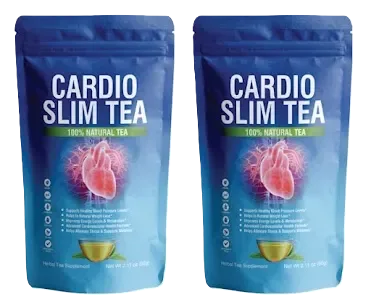
CardioSlim Tea incorporates a blend of these carefully selected natural ingredients, designed to work in harmony with your body's natural processes. While not a substitute for a healthy diet and lifestyle, it can serve as a supportive tool on your journey towards improved heart health, better cholesterol management, and sustainable weight loss when combined with practices like intermittent fasting.
To learn more about where to find genuine products and ensure you're getting the best value, consider reviewing our guide on where to buy CardioSlim Tea at the best price.
Ready to Support Your Heart Health Naturally?
Take the next step towards a healthier heart and optimized cholesterol levels. CardioSlim Tea offers a powerful blend of natural ingredients specifically chosen to complement your wellness journey, including efforts like intermittent fasting. Feel the difference with a supplement designed for your cardiovascular well-being.
- ✓ Supports Healthy Cholesterol Levels
- ✓ Aids in Natural Weight Management
- ✓ Boosts Metabolism & Energy
- ✓ Promotes Cardiovascular Wellness
- ✓ Made with 100% Natural Ingredients




What Our Customers Say About Their Health Journey
"I started intermittent fasting a few months ago, and adding CardioSlim Tea has truly elevated my results. My energy levels are up, and my last check-up showed noticeable improvements in my cholesterol. I feel lighter and healthier than I have in years!"
"Managing my weight and cholesterol has always been a struggle. Intermittent fasting with CardioSlim Tea has made a real difference. I've lost weight, my doctor is happy with my numbers, and I genuinely enjoy the routine. Highly recommend for anyone serious about heart health."
"I was skeptical about intermittent fasting at first, but with the help of CardioSlim Tea, I've seen fantastic results. My triglyceride levels have dropped, and I feel more alert throughout the day. It's a gentle, effective boost to my new healthy lifestyle."
Frequently Asked Questions
Is intermittent fasting safe for individuals with high cholesterol or heart concerns?
+While intermittent fasting shows promise for heart health, it's crucial to consult your doctor before starting, especially if you have pre-existing heart conditions, high cholesterol, or are on medication. They can assess if it's appropriate for your specific health profile and guide you on the safest approach.
How does intermittent fasting specifically help lower 'bad' (LDL) cholesterol?
+Intermittent fasting can help lower LDL cholesterol primarily through weight loss, improved insulin sensitivity, and reduced inflammation. Fasting promotes the body to burn stored fat for energy, which can lead to a decrease in overall body fat and subsequently, a reduction in circulating LDL particles and triglycerides.
What are the most effective intermittent fasting methods for beginners focusing on heart health?
+For beginners, the 16/8 method is often recommended. This involves fasting for 16 hours and eating all your meals within an 8-hour window. This approach is generally easier to sustain and can still yield significant benefits for metabolic health, weight management, and cholesterol improvement without being overly restrictive.
Can CardioSlim Tea be incorporated into an intermittent fasting regimen?
+Yes, CardioSlim Tea can be a beneficial addition to an intermittent fasting regimen. Its natural, calorie-free ingredients, such as green tea extract and hibiscus, are generally safe to consume during fasting windows and can help support metabolism, provide antioxidants, and assist with hydration without breaking your fast. Always check with your doctor first.
How long does it typically take to see improvements in cholesterol levels with intermittent fasting?
+Individual results vary, but some studies suggest that noticeable improvements in cholesterol levels, particularly triglycerides and LDL, can be observed within 8-12 weeks of consistent intermittent fasting, especially when combined with a healthy diet and lifestyle. Regular blood tests are recommended to monitor progress.
Are there any specific side effects of CardioSlim Tea to be aware of?
+CardioSlim Tea is made with natural ingredients and is generally well-tolerated. Some individuals might experience mild digestive upset initially, especially if sensitive to certain herbs. It's always best to start with a small amount and listen to your body. If you have any concerns or are on medication, consult your physician before use.
Related Articles