Are you ready to take control of your heart health and shed excess weight?
Living with high cholesterol and excess weight can feel like an uphill battle, often leaving individuals overwhelmed by the sheer volume of information and conflicting advice. The good news is that you hold significant power to influence your health trajectory through lifestyle choices, with exercise standing out as one of the most potent tools at your disposal.
This comprehensive guide, penned by a Cardiovascular Health Researcher and reviewed by a Board-Certified Cardiologist, will demystify the process, offering actionable strategies to integrate physical activity into your routine. Our focus is on helping you understand how targeted exercises can not only aid in weight management but also directly impact your cholesterol levels, fostering a healthier heart and a more vibrant life.
Understanding the Dual Threat: High Cholesterol and Excess Weight
Before diving into exercise, it's crucial to grasp why managing high cholesterol and excess weight is paramount for your heart's longevity.
High cholesterol, particularly elevated levels of low-density lipoprotein (LDL) or "bad" cholesterol, contributes to the buildup of plaque in your arteries, a condition known as atherosclerosis. This narrowing of arteries can lead to heart attacks, strokes, and peripheral artery disease. Conversely, high-density lipoprotein (HDL) or "good" cholesterol helps remove excess cholesterol from your arteries, protecting your heart.
Excess weight, especially abdominal obesity, is a significant risk factor for cardiovascular disease. It often goes hand-in-hand with high cholesterol, high blood pressure, and insulin resistance, forming a dangerous cluster known as metabolic syndrome. The extra strain on your heart, coupled with inflammatory responses and hormonal imbalances, accelerates the progression of heart disease. Together, these conditions create a formidable challenge to your cardiovascular well-being, but one that is highly responsive to lifestyle interventions, particularly through consistent physical activity.
💡 Key Takeaway
High LDL cholesterol and excess weight significantly increase the risk of heart disease by promoting arterial plaque buildup and metabolic dysfunction. Regular exercise is a cornerstone strategy for combating both conditions, improving cholesterol profiles, and reducing overall cardiovascular risk.
The Science Behind Exercise: How It Benefits Your Heart and Waistline
Exercise isn't just about burning calories; it's a powerful physiological intervention with profound effects on your cardiovascular system and metabolism.
When you engage in regular physical activity, your body undergoes a cascade of beneficial adaptations. For cholesterol management, exercise has several key impacts:
- Increases HDL Cholesterol: Aerobic exercise is particularly effective at raising levels of HDL, the "good" cholesterol that helps remove harmful cholesterol from your arteries.
- Lowers Triglycerides: Regular activity helps reduce triglyceride levels, another type of fat in the blood that, when elevated, contributes to heart disease risk.
- Improves LDL Particle Size: While exercise might not always dramatically lower total LDL, it can change the size and density of LDL particles, making them less harmful. Smaller, denser LDL particles are more prone to plaque formation; exercise tends to shift them towards larger, "fluffier" particles which are less atherogenic.
- Enhances Endothelial Function: Exercise improves the health and flexibility of the inner lining of your blood vessels (endothelium), which is crucial for blood flow and preventing plaque buildup.
For weight loss, exercise contributes in multiple ways:
- Calorie Expenditure: Physical activity directly burns calories, creating the calorie deficit necessary for weight loss.
- Metabolic Boost: Building and maintaining muscle mass through strength training increases your resting metabolic rate, meaning you burn more calories even at rest.
- Fat Oxidation: Regular exercise trains your body to become more efficient at burning fat for fuel.
- Improved Insulin Sensitivity: Exercise helps your cells become more responsive to insulin, which is vital for regulating blood sugar and preventing fat storage, especially visceral fat around the abdomen.
- Appetite Regulation: Physical activity can influence hormones that regulate hunger and satiety, potentially helping to manage appetite.
These combined effects make exercise an indispensable component of any strategy aimed at improving heart health and achieving sustainable weight loss, particularly for individuals battling high cholesterol and excess weight. Consistency is key, and even moderate activity can yield significant results over time.
The Core Components of an Effective Exercise Program
A well-rounded exercise plan for heart health and weight loss typically incorporates several types of physical activity. Focusing on variety ensures you target different physiological systems and maintain engagement.
Aerobic Exercise (Cardio)
This is the cornerstone for heart health and calorie burning. Aerobic activities elevate your heart rate and improve cardiovascular endurance. Examples include brisk walking, jogging, cycling, swimming, dancing, and using elliptical machines. Aim for moderate intensity where you can talk but not sing, or vigorous intensity where you can only speak a few words.
Strength Training (Resistance Training)
Crucial for building and maintaining muscle mass, which boosts metabolism and helps burn fat more efficiently. It also strengthens bones and improves functional movement. Incorporate bodyweight exercises (squats, push-ups), resistance bands, or weights. Focus on major muscle groups, performing 2-3 sessions per week on non-consecutive days.
Flexibility and Balance
Often overlooked, these components are vital for injury prevention, improving range of motion, and maintaining functional independence as you age. Activities like yoga, Pilates, and simple stretching exercises can significantly enhance flexibility and balance. Include these for 5-10 minutes after your main workout or on separate days.
High-Intensity Interval Training (HIIT)
For those cleared for more intense activity, HIIT involves short bursts of intense exercise followed by brief recovery periods. It's highly effective for improving cardiovascular fitness and burning calories in a shorter amount of time. However, it should be introduced gradually and may not be suitable for everyone, especially those new to exercise or with significant health concerns.
Getting Started: Practical Steps and Safety Considerations
Embarking on a new exercise journey, especially with high cholesterol and excess weight, requires a thoughtful and safe approach.
1. Consult Your Doctor First: This is non-negotiable. Before starting any new exercise regimen, particularly if you have existing health conditions like high cholesterol or a history of heart issues, speak with your physician. They can help determine appropriate exercise levels, identify any limitations, and provide personalized recommendations.
2. Start Slow and Progress Gradually: Don't try to do too much too soon. Begin with manageable activities and durations. For example, start with 10-15 minutes of brisk walking most days of the week, and gradually increase the duration and intensity over several weeks or months. The goal is consistency, not immediate peak performance.
3. Listen to Your Body: Pay attention to how you feel. Some muscle soreness is normal when starting, but sharp pain, dizziness, chest discomfort, or extreme shortness of breath are warning signs. Stop immediately and consult your doctor if you experience any concerning symptoms.
4. Set Realistic Goals: Focus on small, achievable goals rather than overwhelming yourself with drastic targets. Celebrating small victories, like consistently walking for 30 minutes, can build momentum and motivation.
5. Find Activities You Enjoy: Exercise shouldn't feel like a chore. Experiment with different activities until you find something you genuinely like. Whether it's dancing, hiking, cycling, or joining a group fitness class, enjoyment is key to long-term adherence.
6. Hydrate Adequately: Drink plenty of water before, during, and after exercise to prevent dehydration, especially during longer or more intense sessions.
7. Warm-up and Cool-down: Always begin with 5-10 minutes of light aerobic activity (like marching in place) to prepare your muscles and gradually increase heart rate. End with 5-10 minutes of static stretching to improve flexibility and aid recovery.
Sample Weekly Exercise Plan for Heart Health & Weight Loss
Monday: Moderate Aerobics (30-45 mins)
Brisk walking, light jogging, or cycling. Focus on maintaining a steady pace where you can comfortably hold a conversation.
Tuesday: Strength Training (20-30 mins)
Full-body workout targeting major muscle groups. Examples: squats, lunges, push-ups (modified as needed), planks, bicep curls, tricep dips. Use bodyweight or light resistance.
Wednesday: Active Recovery / Light Cardio (20-30 mins)
Gentle walk, yoga, or stretching. Focus on mobility and recovery, not intensity.
Thursday: Moderate Aerobics (30-45 mins)
Try a different activity, like swimming or dancing, to keep things interesting and engage different muscles.
Friday: Strength Training (20-30 mins)
Repeat full-body strength routine or focus on different exercises for the same muscle groups. Consider adding core work.
Saturday: Longer Aerobic Session (45-60 mins)
Enjoy a longer walk, hike, or bike ride. This is a great opportunity to explore nature or spend time with loved ones while being active.
Sunday: Rest & Flexibility
Focus on rest, stretching, or light activities like foam rolling. Prepare for the week ahead.
Remember, this is a sample. Adjust it to fit your schedule, fitness level, and preferences. The key is consistency and finding a routine you can stick with long-term. For more personalized advice on exercise routines, consider consulting a certified personal trainer or exercise physiologist.
Beyond Exercise: A Holistic Approach to Heart Health and Weight Loss
While exercise is incredibly powerful, it's most effective when integrated into a broader healthy lifestyle. Addressing diet, stress, and sleep are equally crucial for managing high cholesterol and excess weight.
Nutrition: A heart-healthy diet is fundamental. Focus on whole, unprocessed foods: plenty of fruits, vegetables, whole grains, lean proteins, and healthy fats (like those found in avocados, nuts, and olive oil). Limit saturated and trans fats, added sugars, and excessive sodium. Emphasize fiber-rich foods, which can help lower cholesterol. For more detailed insights into dietary strategies, you might find our article on CardioSlim Tea vs. Other Heart Teas helpful, as it touches upon ingredients that support a healthy diet.
Stress Management: Chronic stress can negatively impact your heart health, contributing to high blood pressure, inflammation, and unhealthy eating habits. Incorporate stress-reduction techniques into your daily routine, such as meditation, deep breathing exercises, spending time in nature, or engaging in hobbies you enjoy.
Adequate Sleep: Sleep deprivation can disrupt hormones that regulate appetite and metabolism, leading to weight gain and increased risk of cardiovascular issues. Aim for 7-9 hours of quality sleep per night. Establish a consistent sleep schedule and create a relaxing bedtime routine.
Hydration: Drinking enough water throughout the day is essential for overall health, metabolism, and satiety. It can also help prevent overeating and support energy levels for exercise.
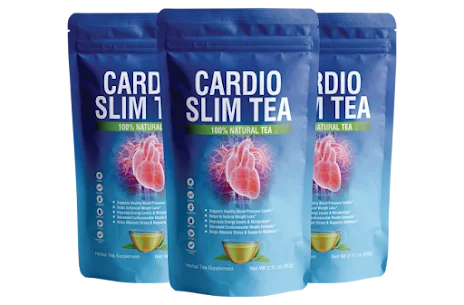
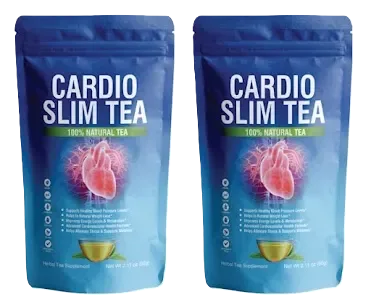
By combining a robust exercise program with these lifestyle pillars, you create a synergistic effect that amplifies your efforts in achieving optimal heart health and sustainable weight loss. For those seeking additional support, natural supplements can play a complementary role. Many individuals look for ways to boost their metabolism and support healthy cholesterol levels naturally. This is where products like CardioSlim Tea come into play, offering a blend of ingredients traditionally used for these purposes. You can read about real experiences and outcomes in our CardioSlim Tea Reviews: Real Results article.
Supporting Your Journey: Key Ingredients for Heart Health & Weight Loss
While exercise and diet form the foundation, certain natural ingredients can offer complementary support for heart health and weight management. CardioSlim Tea leverages a blend of such ingredients, each chosen for its potential benefits.
Green Tea Extract
Role: Rich in antioxidants (catechins like EGCG) that support metabolism, fat oxidation, and cardiovascular health. May help lower LDL cholesterol and improve blood vessel function.
Hibiscus Flower
Role: Known for its potential to support healthy blood pressure and cholesterol levels. It contains anthocyanins and other antioxidants that contribute to cardiovascular well-being.
Hawthorn Berry
Role: Traditionally used to support heart function, improve blood flow, and may help manage cholesterol and blood pressure. Contains flavonoids and proanthocyanidins beneficial for the cardiovascular system.
Garcinia Cambogia
Role: Contains Hydroxycitric Acid (HCA), which is often studied for its potential role in weight management by inhibiting fat production and suppressing appetite.
Ginger Root
Role: A powerful anti-inflammatory and antioxidant. It can support digestion, boost metabolism, and may have a positive impact on cholesterol levels and blood sugar regulation.
Chromium Picolinate
Role: An essential trace mineral that plays a role in carbohydrate and lipid metabolism. It helps improve insulin sensitivity and can aid in managing blood sugar and reducing cravings, supporting weight loss.
Cinnamon Bark
Role: Known for its ability to help regulate blood sugar levels and improve insulin sensitivity. It also has antioxidant properties that can support overall metabolic health and potentially influence cholesterol.
Ginseng
Role: An adaptogen that can help the body cope with stress, boost energy, and improve physical performance. Some studies suggest it may also have beneficial effects on blood sugar and cholesterol.
Dandelion Leaf
Role: A natural diuretic that can help reduce water retention. It also supports liver health, which is crucial for detoxification and cholesterol metabolism.
It's important to remember that while these ingredients offer potential benefits, they are intended to complement, not replace, a healthy diet and regular exercise. Always consult with a healthcare professional before adding any new supplement to your routine, especially if you are managing high cholesterol or excess weight, or taking medications.
Ready to Support Your Heart Health and Weight Loss Journey?
CardioSlim Tea is meticulously crafted with a blend of natural ingredients designed to complement your efforts in achieving a healthier heart and a leaner body. It's the perfect addition to an active lifestyle and balanced diet.
- ✓ Supports Healthy Cholesterol Levels
- ✓ Boosts Metabolism for Natural Fat Burning
- ✓ Promotes Cardiovascular Well-being
- ✓ Made with 100% Natural Ingredients
- ✓ Backed by a 60-Day Money-Back Guarantee



Real People, Real Results
"I was skeptical at first, but combining CardioSlim Tea with my new walking routine has made a huge difference. My doctor is pleased with my cholesterol numbers, and I've dropped 15 pounds! I feel more energetic than I have in years."
"Managing high cholesterol and weight has always been a struggle. CardioSlim Tea felt like a gentle push in the right direction. With regular exercise, I've seen improvements in my energy and waistline. It's become a welcome part of my morning routine."
"My cardiologist recommended I get more active to combat my high cholesterol. I started swimming and added CardioSlim Tea. The taste is great, and I truly believe it's helping me stay on track. My latest blood work showed positive changes."
Frequently Asked Questions
How often should I exercise for heart health and weight loss?
+Aim for at least 150 minutes of moderate-intensity aerobic activity or 75 minutes of vigorous-intensity aerobic activity per week, combined with 2-3 days of strength training.
What types of exercise are best for high cholesterol?
+Aerobic exercises like brisk walking, jogging, swimming, and cycling are highly effective. Strength training also plays a crucial role in improving overall metabolic health.
Can exercise alone lower cholesterol significantly?
+Exercise can significantly improve your cholesterol profile, particularly by raising HDL (good cholesterol) and lowering triglycerides. While it helps lower LDL (bad cholesterol), dietary changes are often needed for more substantial reductions.
How does exercise help with weight loss?
+Exercise burns calories, builds muscle mass (which boosts metabolism), and helps reduce body fat. It also improves insulin sensitivity, which is vital for weight management.
Is CardioSlim Tea a substitute for exercise and diet?
+No, CardioSlim Tea is designed to support a healthy lifestyle, not replace it. It works best when combined with regular exercise and a balanced diet to help optimize heart health and weight management efforts.
What if I'm new to exercise or have existing health conditions?
+Always consult your doctor before starting any new exercise program, especially if you have high cholesterol, excess weight, or other medical conditions. Begin with low-impact activities and gradually increase intensity and duration.
Related Articles