Are you struggling to understand why your cholesterol levels are high or why weight management feels like an uphill battle?
You're not alone. Millions worldwide grapple with high cholesterol and excess weight, conditions that are often interconnected and pose significant risks to long-term health, particularly cardiovascular well-being. It's a complex puzzle, but understanding the pieces is the first step towards taking control.
This comprehensive guide, authored by Dr. Diana Peterson and reviewed by Dr. Lawrence Cook, M.D., will delve into the multifaceted causes, from dietary habits and sedentary lifestyles to genetic predispositions and environmental factors, helping you decipher the true origins of high cholesterol and excess weight.
What Exactly is Cholesterol and Why Does it Matter?
Before we dive into the causes, it's crucial to understand what cholesterol is and its vital role in your body, as well as the distinction between its "good" and "bad" forms.
Cholesterol is a waxy, fat-like substance found in all your cells. Your body needs cholesterol to make hormones, vitamin D, and substances that help you digest food. Your liver produces all the cholesterol your body needs, but you also get cholesterol from foods like meat, poultry, and dairy products. It's transported through your bloodstream attached to proteins, forming what are called lipoproteins.
There are two main types of cholesterol that are often discussed:
- Low-Density Lipoprotein (LDL) Cholesterol: Often referred to as "bad" cholesterol. High levels of LDL cholesterol can lead to a buildup of plaque in your arteries, a condition known as atherosclerosis. This plaque can narrow arteries, reducing blood flow, and increasing the risk of blood clots, heart attacks, and strokes.
- High-Density Lipoprotein (HDL) Cholesterol: Known as "good" cholesterol. HDL helps remove excess cholesterol from your arteries and transport it back to the liver for excretion. Higher levels of HDL are generally associated with a lower risk of heart disease.
Maintaining a healthy balance between LDL and HDL cholesterol is essential for cardiovascular health. When this balance is disrupted, particularly with elevated LDL, the risk of serious health complications escalates. Understanding this fundamental role helps us appreciate why managing its levels is so critical.
💡 Key Takeaway
Cholesterol is essential for bodily functions, but an imbalance, especially high LDL ("bad") cholesterol, can lead to dangerous plaque buildup in arteries, significantly increasing the risk of heart disease and stroke.
The Multifaceted Causes of High Cholesterol
High cholesterol isn't usually caused by a single factor. It's often a complex interplay of genetic predisposition, dietary choices, lifestyle habits, and other medical conditions.
1. Dietary Habits: The most commonly cited cause, and for good reason. A diet high in certain fats can significantly impact your cholesterol levels.
- Saturated Fats: Found in red meat, full-fat dairy products, and many processed foods, saturated fats increase LDL cholesterol.
- Trans Fats: Often found in commercially baked goods, fried foods, and some margarines, trans fats are particularly harmful as they not only raise LDL cholesterol but also lower beneficial HDL cholesterol. Many countries have banned or restricted trans fats due to their detrimental health effects.
- Dietary Cholesterol: While less impactful than saturated and trans fats for most people, excessive intake of dietary cholesterol (from eggs, shellfish, organ meats) can still contribute to higher blood cholesterol levels in some individuals.
2. Lack of Physical Activity: A sedentary lifestyle can significantly contribute to unhealthy cholesterol levels. Regular exercise helps increase HDL cholesterol and can lower LDL cholesterol and triglycerides. Without it, your body's ability to process fats efficiently diminishes, leading to higher circulating levels.
3. Obesity and Excess Weight: Being overweight or obese is a major risk factor for high cholesterol. Excess body fat, particularly around the abdomen (visceral fat), can increase LDL cholesterol and triglyceride levels while decreasing HDL cholesterol. This creates a dangerous metabolic environment conducive to cardiovascular disease. We'll explore excess weight in more detail shortly.
4. Genetics: For some, high cholesterol is simply in their genes. Conditions like Familial Hypercholesterolemia (FH) are inherited disorders that cause very high LDL cholesterol levels from birth, significantly increasing the risk of early heart disease. Even without specific genetic disorders, individual genetic variations can influence how your body produces and processes cholesterol, making some people more susceptible to high levels regardless of diet.
5. Smoking: Smoking damages the walls of your blood vessels, making them more prone to accumulating fatty deposits. It also lowers HDL cholesterol and increases LDL cholesterol and triglycerides, creating a perfect storm for atherosclerosis.
6. Age and Gender: As people age, cholesterol levels tend to rise. Before menopause, women typically have lower total cholesterol levels than men. However, after menopause, women's LDL levels tend to increase, often surpassing those of men.
7. Underlying Medical Conditions: Certain health issues can contribute to high cholesterol:
- Type 2 Diabetes: Often associated with low HDL, high triglycerides, and increased small, dense LDL particles, which are more damaging.
- Hypothyroidism: An underactive thyroid gland can lead to higher total and LDL cholesterol levels.
- Kidney Disease: Chronic kidney disease can disrupt lipid metabolism.
- Liver Disease: Some liver conditions can affect cholesterol production and clearance.
8. Medications: Some medications, such as certain diuretics, beta-blockers, corticosteroids, and specific acne treatments, can raise cholesterol levels as a side effect.
Understanding these diverse causes highlights that a holistic approach is often required to manage and reduce high cholesterol effectively. It's not just about what you eat, but also how you live and your unique genetic makeup.
The Complex Landscape of Excess Weight and Obesity
Excess weight and obesity are global health crises, far more intricate than simply "eating too much and moving too little." While caloric imbalance is a direct factor, the underlying reasons for this imbalance are numerous and often deeply rooted.
Dietary Patterns and Food Environment
The modern diet is often characterized by an abundance of ultra-processed foods, high in refined sugars, unhealthy fats, and sodium, but low in fiber and essential nutrients. These foods are highly palatable, cheap, and widely available, leading to overconsumption. Portion sizes have also dramatically increased over decades, making it easy to consume more calories than needed without realizing it.
Sedentary Lifestyles
Technological advancements and changes in work and leisure activities have drastically reduced physical activity levels. Many jobs are desk-bound, commutes involve driving, and entertainment often revolves around screens. This lack of regular movement means fewer calories burned and a decreased metabolic rate, contributing directly to weight gain.
Genetic Predisposition
Genetics play a significant role in determining an individual's susceptibility to weight gain. Genes can influence appetite, metabolism, fat storage, and even how efficiently your body burns calories. While genetics don't dictate destiny, they can create a predisposition that makes some people more prone to obesity than others when exposed to an obesogenic environment.
Hormonal Imbalances
Hormones are powerful regulators of appetite, metabolism, and fat storage. Imbalances in hormones like insulin (insulin resistance), leptin (leptin resistance), ghrelin, thyroid hormones, and cortisol can profoundly impact weight. For instance, chronic stress elevates cortisol, which promotes abdominal fat storage and increases cravings for unhealthy foods.
Sleep Deprivation
Insufficient or poor-quality sleep can disrupt the hormones that control appetite (ghrelin and leptin), leading to increased hunger and cravings for high-calorie foods. It also affects metabolism and can reduce your motivation for physical activity, making weight management more challenging.
Stress and Emotional Eating
Chronic stress triggers the release of cortisol, which not only promotes fat storage but also often leads to emotional eating as a coping mechanism. Many individuals turn to comfort foods high in sugar and fat when stressed, anxious, or sad, leading to a cycle of weight gain and emotional distress.
Certain Medications
Some medications, including antidepressants, corticosteroids, certain diabetes medications, and antihistamines, can cause weight gain as a side effect. These medications can affect metabolism, appetite, or fluid retention, making it harder to maintain a healthy weight.
Gut Microbiome Imbalance
Emerging research suggests that the composition of your gut bacteria can influence how you digest food, absorb nutrients, and store fat. An imbalance in the gut microbiome (dysbiosis) has been linked to increased inflammation, insulin resistance, and a higher risk of obesity.
The Dangerous Interconnection: High Cholesterol and Excess Weight
It's no coincidence that high cholesterol and excess weight often appear together. They are intricately linked, each exacerbating the other and significantly increasing the risk of metabolic syndrome and cardiovascular disease.
Excess body fat, particularly visceral fat (fat stored around abdominal organs), is metabolically active and releases inflammatory chemicals and hormones that can disrupt lipid metabolism. This leads to increased production of LDL cholesterol and triglycerides by the liver, while simultaneously lowering beneficial HDL cholesterol. This unfavorable lipid profile is a hallmark of dyslipidemia, a common consequence of obesity.
Furthermore, excess weight often leads to insulin resistance, a condition where your cells become less responsive to insulin, the hormone that regulates blood sugar. Insulin resistance is a central feature of metabolic syndrome, which is a cluster of conditions including high blood pressure, high blood sugar, excess body fat around the waist, and abnormal cholesterol or triglyceride levels. All these factors dramatically increase your risk of heart disease, stroke, and type 2 diabetes.
The inflammatory state associated with obesity also contributes to the progression of atherosclerosis. Chronic low-grade inflammation damages blood vessel walls, making them more susceptible to LDL cholesterol infiltration and plaque formation. Thus, the cycle continues: excess weight contributes to high cholesterol, which in turn fuels inflammation and arterial damage, further increasing cardiovascular risk.
Addressing one of these conditions often has a positive ripple effect on the other. Weight loss, even modest amounts, can significantly improve cholesterol profiles by reducing LDL and triglycerides and increasing HDL. Similarly, managing cholesterol through diet and lifestyle changes can often support healthy weight management. For those seeking holistic support, exploring options like CardioSlim Tea reviews 2026 might offer insights into complementary approaches.
Health Implications: Why You Can't Ignore These Conditions
The combined impact of high cholesterol and excess weight extends far beyond cosmetic concerns or a single lab result. They are powerful drivers of chronic diseases, dramatically increasing morbidity and mortality.
Cardiovascular Disease
This is the most direct and severe consequence. High LDL cholesterol fuels atherosclerosis, narrowing arteries and leading to heart attacks and strokes. Excess weight strains the heart, contributes to high blood pressure, and promotes the development of heart failure.
Type 2 Diabetes
Obesity is the strongest risk factor for type 2 diabetes, primarily due to insulin resistance. This condition not only elevates blood sugar but also often comes with dyslipidemia (high triglycerides, low HDL, and sometimes high LDL), further escalating heart disease risk.
Metabolic Syndrome
As mentioned, this cluster of conditions – high blood pressure, high blood sugar, abdominal obesity, and abnormal cholesterol/triglycerides – is a direct result of the interplay between excess weight and poor metabolic health, significantly increasing the risk of heart disease and diabetes.
Fatty Liver Disease
Non-alcoholic fatty liver disease (NAFLD), often linked to obesity and insulin resistance, involves fat accumulation in the liver. It can progress to inflammation (NASH), fibrosis, cirrhosis, and even liver failure, further impacting lipid metabolism.
Joint Problems and Mobility
Excess weight places immense stress on joints, particularly knees and hips, accelerating the development of osteoarthritis. This can lead to pain, reduced mobility, and a vicious cycle where less movement contributes to more weight gain.
Certain Cancers
Obesity is a known risk factor for several types of cancer, including colon, breast, endometrial, kidney, and esophageal cancers. The mechanisms involve chronic inflammation, altered hormone levels, and insulin resistance.
Sleep Apnea
Excess weight, particularly around the neck, can contribute to obstructive sleep apnea, a serious condition where breathing repeatedly stops and starts during sleep. This leads to poor sleep quality, daytime fatigue, and increased risk of high blood pressure and heart problems.
Taking Control: Strategies for Management and Prevention
While the causes of high cholesterol and excess weight can be complex, the good news is that many effective strategies exist to manage and prevent these conditions. A combination of lifestyle modifications, and in some cases, medical intervention, can make a profound difference.
1. Dietary Modifications: This is arguably the most impactful area.
- Reduce Saturated and Trans Fats: Limit red meat, processed meats, full-fat dairy, and fried foods. Choose lean proteins, poultry without skin, and low-fat dairy.
- Increase Soluble Fiber: Found in oats, barley, fruits (apples, citrus), vegetables, and legumes, soluble fiber helps reduce the absorption of cholesterol in your digestive tract.
- Incorporate Omega-3 Fatty Acids: Found in fatty fish (salmon, mackerel, sardines), flaxseeds, and walnuts, omega-3s can help lower triglycerides and support overall heart health.
- Eat More Fruits and Vegetables: Rich in antioxidants and fiber, they protect against oxidative damage and support healthy weight.
- Choose Healthy Fats: Opt for monounsaturated and polyunsaturated fats found in avocados, olive oil, nuts, and seeds.
- Limit Added Sugars and Refined Carbs: These contribute to weight gain and can raise triglyceride levels.
2. Regular Physical Activity: Aim for at least 150 minutes of moderate-intensity aerobic exercise or 75 minutes of vigorous-intensity exercise per week, combined with muscle-strengthening activities on two or more days. Exercise helps increase HDL, lower LDL and triglycerides, and aids in weight management.
3. Achieve and Maintain a Healthy Weight: Even modest weight loss (5-10% of body weight) can significantly improve cholesterol levels, blood pressure, and blood sugar. This is a cornerstone of preventing and managing both conditions.
4. Quit Smoking: If you smoke, quitting is one of the most powerful steps you can take for your heart health. It improves HDL levels and reduces damage to blood vessels.
5. Manage Stress: Chronic stress can contribute to unhealthy eating habits and hormonal imbalances. Incorporate stress-reducing techniques like meditation, yoga, deep breathing, or spending time in nature.
6. Prioritize Sleep: Aim for 7-9 hours of quality sleep per night. Good sleep hygiene supports hormonal balance and metabolic health.
7. Regular Medical Check-ups: Monitor your cholesterol levels, blood pressure, and blood sugar regularly. Work with your doctor to create a personalized plan, which may include medications like statins if lifestyle changes aren't sufficient, especially for genetic predispositions.
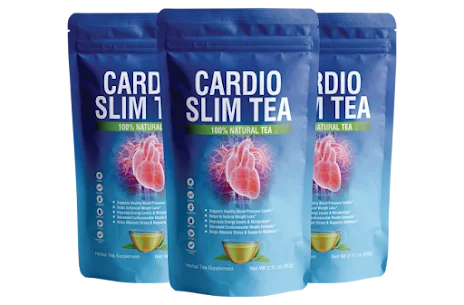
8. Consider Natural Support: While not a replacement for lifestyle changes or medical advice, certain natural ingredients can offer complementary support. Products like CardioSlim Tea are formulated with ingredients known to support healthy metabolism, fat burning, and cardiovascular well-being. Ingredients such as green tea extract, chromium, and berberine have been studied for their potential roles in these areas. You can find more information on natural weight loss relief remedies and natural heart health remedies for high cholesterol. Always consult your doctor before adding new supplements to your regimen.
Support Your Journey with CardioSlim Tea
For individuals looking for an additional natural avenue to support their efforts in managing cholesterol and weight, CardioSlim Tea offers a unique blend of ingredients. It's designed to complement a healthy lifestyle, not replace it.
CardioSlim Tea incorporates ingredients traditionally recognized for their metabolic and cardiovascular benefits. These ingredients work synergistically to potentially support various aspects of health crucial for managing both high cholesterol and excess weight.
While CardioSlim Tea is not a magic bullet, it can be a valuable addition to your daily routine, providing natural support for your body's processes. Its formulation focuses on promoting healthy metabolism, aiding in fat burning, and supporting cholesterol levels already within a normal range. It's a gentle, natural approach to fostering overall cardiovascular wellness as part of a broader health strategy.
Remember, the best results are achieved when supplements are integrated into a comprehensive plan that includes a balanced diet and regular exercise. Always consult with a healthcare professional to ensure any supplement is appropriate for your individual health needs.
Key Ingredients and Their Potential Benefits:
Green Tea Extract
Role: Rich in catechins (like EGCG), it's known for its antioxidant properties and ability to boost metabolism and fat oxidation. May help in weight management and support healthy cholesterol levels.
Berberine HCl
Role: A powerful plant alkaloid that has been extensively studied for its positive effects on metabolism, blood sugar regulation, and cholesterol management, particularly by lowering LDL and triglycerides.
Chromium Picolinate
Role: An essential trace mineral that enhances insulin sensitivity, which is crucial for blood sugar control and can indirectly support healthy fat metabolism and appetite regulation.
Garcinia Cambogia Extract
Role: Contains Hydroxycitric Acid (HCA), which is believed to help suppress appetite and inhibit fat production by blocking an enzyme called citrate lyase.
Ginseng Root Extract
Role: An adaptogen known for its energy-boosting properties and potential to improve metabolic function, support blood sugar levels, and reduce fatigue often associated with weight management efforts.
Resveratrol
Role: A potent antioxidant found in red grapes, it has been linked to cardiovascular health benefits, including supporting healthy blood vessel function and potentially influencing lipid metabolism.
Ginger Root Extract
Role: Known for its anti-inflammatory and digestive benefits, ginger may also play a role in supporting metabolism and aiding in satiety, contributing to weight management.
Cinnamon Bark Powder
Role: Widely used for its ability to help regulate blood sugar levels and improve insulin sensitivity, which are critical factors in both weight management and cholesterol health.
Ready to Support Your Heart Health and Weight Management Naturally?
CardioSlim Tea offers a potent blend of natural ingredients designed to complement your efforts in achieving healthy cholesterol levels and managing your weight. Take the proactive step towards a healthier, happier you.
- ✓ Supports Healthy Cholesterol Levels
- ✓ Boosts Metabolism & Fat Burning
- ✓ Enhances Energy & Vitality
- ✓ All-Natural & Scientifically Formulated
- ✓ Made in the USA & GMP Certified



Hear From Our Satisfied Customers
"I've been using CardioSlim Tea for three months, and I'm amazed at the difference. My latest check-up showed significantly improved cholesterol numbers, and I've shed some stubborn pounds. I feel more energetic than I have in years!"
"After struggling with my weight and borderline high cholesterol for years, a friend recommended CardioSlim Tea. Paired with my new diet and exercise routine, it's been a game-changer. My doctor even commented on my progress!"
"I was skeptical at first, but the natural ingredients in CardioSlim Tea intrigued me. Not only do I feel lighter, but my energy levels are up, and I'm confident my next blood test will reflect the positive changes I'm feeling. Highly recommend!"
Frequently Asked Questions
What is the primary difference between "good" and "bad" cholesterol?
+"Good" cholesterol, or HDL (High-Density Lipoprotein), helps remove excess cholesterol from your arteries, returning it to the liver for excretion. "Bad" cholesterol, or LDL (Low-Density Lipoprotein), can contribute to plaque buildup in arteries, leading to atherosclerosis if levels are too high.
Can genetics truly cause high cholesterol and excess weight, or is it always lifestyle?
+Genetics can play a significant role in both high cholesterol and excess weight, influencing metabolism, fat storage, and how your body processes cholesterol. However, lifestyle choices like diet and exercise often interact with genetic predispositions, determining whether these conditions manifest or are managed effectively.
How does inflammation contribute to high cholesterol and weight gain?
+Chronic low-grade inflammation, often fueled by poor diet and excess body fat, can impair insulin sensitivity, disrupt hormone balance, and contribute to metabolic dysfunction. This can lead to increased fat storage, particularly visceral fat, and negatively impact cholesterol metabolism, raising LDL levels.
What role does stress play in managing cholesterol and weight?
+Chronic stress can elevate cortisol levels, which promotes fat storage (especially around the abdomen) and increases appetite. It can also lead to unhealthy coping mechanisms like emotional eating and reduced physical activity, indirectly impacting both cholesterol levels and weight.
Are there natural ways to support healthy cholesterol and weight management?
+Yes, many natural approaches can support healthy cholesterol and weight. These include a balanced diet rich in fiber, lean proteins, and healthy fats, regular physical activity, adequate sleep, stress management, and certain natural supplements like green tea extract, berberine, or chromium, found in products like CardioSlim Tea.
When should I consider speaking to a doctor about my cholesterol or weight?
+It's advisable to speak to your doctor if your cholesterol levels are consistently elevated, if you have a family history of heart disease, or if your weight is impacting your health or quality of life. Regular check-ups are crucial for monitoring these markers and developing a personalized health plan.
Related Articles