Are You Unknowingly Putting Your Heart at Risk?
Cardiovascular disease (CVD) remains the leading cause of mortality worldwide, impacting millions of lives and placing immense strain on healthcare systems. It's a complex condition, but often, its progression is influenced by a combination of modifiable risk factors that we can actively address. Understanding these risks is the first critical step towards effective prevention and maintaining a vibrant, healthy life.
This in-depth guide, authored by Dr. Diana Peterson, a renowned Cardiovascular Health Researcher, delves into the primary risk factors for CVD, with a particular focus on high cholesterol and excess weight. We'll explore evidence-based strategies, from dietary changes and exercise to lifestyle adjustments and natural support, empowering you to take control of your heart health journey.
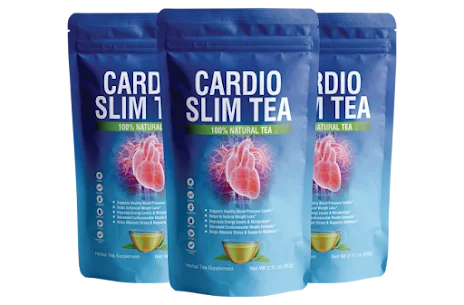
The Silent Threat: Understanding Cardiovascular Disease
Cardiovascular disease (CVD) is a broad term encompassing conditions that affect the heart and blood vessels. These include coronary artery disease, heart attack, stroke, heart failure, and high blood pressure. It's a global health crisis, responsible for more deaths annually than any other cause. The insidious nature of CVD often means it progresses silently for years, with symptoms only appearing when the condition is advanced. This makes proactive prevention not just beneficial, but absolutely critical.
The primary underlying issue in many forms of CVD is atherosclerosis, a condition where plaque builds up inside the arteries. This plaque, composed of cholesterol, fatty substances, cellular waste products, calcium, and fibrin, hardens and narrows the arteries, restricting blood flow to vital organs. When blood flow to the heart is significantly reduced or blocked, it can lead to a heart attack. If the blockage occurs in the arteries leading to the brain, it can cause a stroke. Understanding these mechanisms highlights why managing risk factors is paramount to protecting your long-term health.
💡 Key Takeaway
CVD is the leading cause of death worldwide, often progressing silently. Atherosclerosis, the buildup of plaque in arteries, is a key mechanism. Early intervention and risk factor management are crucial for prevention.
Major Risk Factors for Cardiovascular Disease
While genetics play a role in heart health, a significant majority of cardiovascular disease cases are linked to modifiable risk factors. By understanding and addressing these, individuals can dramatically reduce their risk.
High Cholesterol: The Invisible Danger
High cholesterol is one of the most significant modifiable risk factors for heart disease. Cholesterol itself isn't inherently bad; it's a waxy, fat-like substance essential for building healthy cells. However, too much of the "bad" type (low-density lipoprotein or LDL cholesterol) can lead to serious problems. LDL cholesterol contributes to fatty buildups in arteries, increasing the risk of atherosclerosis. Conversely, high-density lipoprotein (HDL cholesterol), often called "good" cholesterol, helps remove excess cholesterol from the arteries and transport it back to the liver for excretion. The balance between these types, along with triglycerides (another type of fat in the blood), is crucial for cardiovascular health. Factors contributing to high cholesterol include diet high in saturated and trans fats, lack of physical activity, obesity, smoking, and genetics.
Excess Weight and Obesity: A Heavy Burden on the Heart
Being overweight or obese significantly increases your risk of developing heart disease. This is because excess body fat, particularly visceral fat (fat around abdominal organs), is metabolically active and can lead to a cascade of adverse health effects. Obesity is strongly linked to several other major risk factors for CVD, including:
- High Blood Pressure (Hypertension): Excess weight requires the heart to work harder to pump blood throughout the body, raising blood pressure and straining arterial walls.
- Unhealthy Cholesterol and Triglyceride Levels: Obesity often leads to higher LDL cholesterol and triglyceride levels, while simultaneously lowering beneficial HDL cholesterol.
- Type 2 Diabetes: Excess weight is a primary driver of insulin resistance, which can progress to Type 2 diabetes. Diabetes severely damages blood vessels and nerves, significantly increasing heart disease risk.
- Inflammation: Adipose tissue (fat) can release inflammatory substances, contributing to chronic low-grade inflammation throughout the body, which plays a role in atherosclerosis.
- Sleep Apnea: Obesity is a major risk factor for sleep apnea, a condition that disrupts breathing during sleep and can lead to high blood pressure, heart attack, and stroke.
Other Important Risk Factors:
- High Blood Pressure (Hypertension): Often called the "silent killer," hypertension forces the heart to work harder, stiffening and damaging arteries over time.
- Type 2 Diabetes: Chronically high blood sugar damages blood vessels and nerves that control the heart and blood vessels.
- Physical Inactivity: A sedentary lifestyle contributes to obesity, high blood pressure, high cholesterol, and diabetes.
- Unhealthy Diet: Diets high in processed foods, unhealthy fats, sugar, and sodium directly impact cholesterol, blood pressure, and weight.
- Smoking: Damages blood vessels, reduces oxygen to the heart, increases blood pressure, and promotes plaque buildup.
- Excessive Alcohol Consumption: Can raise blood pressure, contribute to irregular heartbeats, and add extra calories leading to weight gain.
- Chronic Stress: Prolonged stress can increase blood pressure and heart rate, and may lead to unhealthy coping mechanisms like overeating or smoking.
- Age and Genetics: While non-modifiable, understanding family history and age-related risks helps in early screening and more vigilant management of modifiable factors.
Addressing these interconnected factors through comprehensive strategies is the most effective way to protect your heart. It's about making sustainable choices that support your cardiovascular system holistically.
Comprehensive Prevention Strategies for a Healthier Heart
Preventing cardiovascular disease is not about quick fixes, but about adopting a holistic approach that integrates various healthy habits into your daily life. Here are key strategies:
Embrace a Heart-Healthy Diet
What you eat directly impacts your cholesterol levels, blood pressure, and weight. Focus on a diet rich in fruits, vegetables, whole grains, lean proteins (fish, poultry, legumes), and healthy fats (avocado, nuts, olive oil). Limit saturated and trans fats found in red meat, processed foods, and fried items. Reduce sodium intake to manage blood pressure and cut back on added sugars, which contribute to weight gain and inflammation. Diets like the Mediterranean diet or DASH (Dietary Approaches to Stop Hypertension) are excellent models to follow. For those exploring additional dietary support, incorporating specific herbal teas can be beneficial. You can learn more about how certain botanicals can aid in managing lipid profiles in our article on herbal-tea-for-cholesterol-support.html.
Prioritize Regular Physical Activity
Exercise is a powerful tool against CVD. Aim for at least 150 minutes of moderate-intensity aerobic activity or 75 minutes of vigorous-intensity activity per week, along with muscle-strengthening activities at least two days a week. Regular exercise helps lower blood pressure, improve cholesterol levels, manage weight, strengthen the heart muscle, and reduce stress. Even short bursts of activity throughout the day can make a difference. Find activities you enjoy to make it a sustainable part of your routine.
Achieve and Maintain a Healthy Weight
Managing your weight is crucial for reducing the strain on your heart and blood vessels. If you are overweight or obese, even a modest weight loss (5-10% of your body weight) can significantly improve blood pressure, cholesterol, and blood sugar levels. Focus on sustainable lifestyle changes rather than crash diets. Combine a balanced diet with regular exercise to create a calorie deficit and gradually reach a healthy weight. Consult with a healthcare professional for personalized weight management strategies.
Quit Smoking and Limit Alcohol
Smoking is one of the most damaging habits for heart health. Quitting dramatically reduces your risk of heart attack and stroke. Seek support from healthcare providers or cessation programs. If you consume alcohol, do so in moderation: up to one drink per day for women and up to two drinks per day for men. Excessive alcohol intake can raise blood pressure, contribute to weight gain, and lead to irregular heart rhythms.
Manage Stress and Prioritize Sleep
Chronic stress can contribute to high blood pressure and unhealthy coping mechanisms. Incorporate stress-reducing techniques like meditation, yoga, deep breathing exercises, or spending time in nature. Quality sleep is equally important; aim for 7-9 hours per night. Poor sleep can negatively impact blood pressure, blood sugar, and weight. Establish a consistent sleep schedule and create a relaxing bedtime routine.
Regular Health Screenings and Monitoring
Regular check-ups with your doctor are essential. Monitor your blood pressure, cholesterol levels, and blood sugar as recommended. Early detection of risk factors allows for timely intervention. Discuss your family history of heart disease with your physician, as this can influence screening recommendations. Being proactive with your health data empowers you to make informed decisions and work with your healthcare team effectively.
Integrating Natural Support into Your Heart Health Regimen
While lifestyle modifications form the bedrock of cardiovascular disease prevention, natural supplements and herbal remedies can offer valuable complementary support. Many botanicals have been traditionally recognized for their beneficial effects on cholesterol, metabolism, and overall cardiovascular function. It's important to approach these options as part of a comprehensive strategy, always consulting with your healthcare provider.
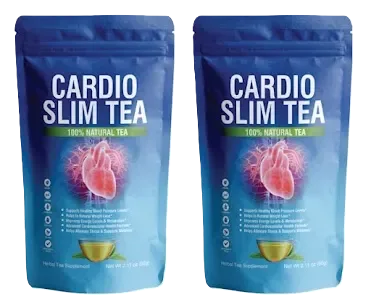
For those seeking additional natural support, certain herbal formulations, like CardioSlim Tea, offer a blend of ingredients traditionally recognized for their role in supporting healthy cholesterol levels and metabolism. These ingredients work synergistically to provide a gentle yet effective way to aid your body's natural processes. For instance, ingredients such as Green Tea Extract are celebrated for their antioxidant properties and ability to boost metabolic rate, while others like Ginger Root are known for their anti-inflammatory effects and potential to support healthy digestion and lipid profiles. Understanding how different natural aids compare can be insightful; you might find our article on cardioslimtea-vs-other-heart-teas.html helpful in navigating your options.
The beauty of incorporating natural support lies in its ability to work with your body, promoting balance and wellness. However, it's crucial to remember that natural does not always mean harmless, especially when combined with medications. Always ensure you discuss any new supplements with your doctor or a board-certified cardiologist to ensure safety and efficacy tailored to your individual health profile.
Key Ingredients in CardioSlim Tea and Their Benefits
CardioSlim Tea is crafted with a synergistic blend of natural ingredients, each chosen for its potential to support cardiovascular health, metabolism, and weight management. Here's a look at some of the key components:
Green Tea Extract (EGCG)
Role: Renowned for its powerful antioxidants (catechins, especially EGCG), Green Tea Extract supports metabolism, aids in fat oxidation, and has been linked to improved cholesterol levels and reduced risk of heart disease.
Garcinia Cambogia
Role: This tropical fruit extract contains Hydroxycitric Acid (HCA), which is believed to help suppress appetite, block fat production, and support healthy weight management, thereby reducing stress on the cardiovascular system.
Ginger Root
Role: A potent anti-inflammatory and antioxidant, ginger supports healthy digestion, may help lower cholesterol levels, and contributes to overall metabolic health, which is vital for heart function.
Hibiscus
Role: Often used in herbal teas, hibiscus is known for its potential to help maintain healthy blood pressure levels already within the normal range and provides significant antioxidant benefits to protect heart cells.
Cinnamon
Role: More than just a spice, cinnamon has been researched for its ability to help regulate blood sugar levels, improve insulin sensitivity, and potentially reduce LDL cholesterol and triglyceride levels.
Ginseng
Role: An adaptogenic herb, ginseng supports energy levels, boosts metabolism, and may contribute to maintaining healthy blood sugar and cholesterol levels, promoting overall vitality and heart health.
Moringa
Role: Packed with vitamins, minerals, and antioxidants, moringa supports immune function and may help reduce inflammation and oxidative stress, crucial factors in cardiovascular health.
Acai Berry
Role: These superfood berries are rich in antioxidants, particularly anthocyanins, which protect against oxidative damage and support healthy blood flow, contributing to cardiovascular wellness and metabolic balance.
Beyond the Tea: A Holistic Lifestyle for Long-Term Heart Health
While products like CardioSlim Tea can serve as excellent natural allies, true cardiovascular health is cultivated through a holistic lifestyle. It's about integrating all the prevention strategies discussed – a balanced diet, regular exercise, stress management, adequate sleep, and medical monitoring – into a cohesive plan. No single solution, whether a diet, exercise routine, or supplement, can stand alone in safeguarding your heart.
Think of your heart health journey as building a strong foundation. Each healthy habit is a brick, and natural supplements are the mortar that helps bind them together, providing additional strength and support. Consistency is key. Small, sustainable changes over time yield the most significant benefits. For a deeper dive into various plant-based solutions that can complement your efforts, explore natural-heart-health-remedies-high-cholesterol.html.
Empowering yourself with knowledge and making informed choices is the greatest gift you can give your heart. By understanding the risks and actively pursuing prevention, you are not just extending your lifespan, but enhancing your quality of life, ensuring you have the vitality to enjoy every moment.
Conclusion: Take Control of Your Heart's Future
The journey to a healthier heart is a continuous one, but it begins with a single, informed step. Understanding the profound impact of risk factors like high cholesterol and excess weight is the first crucial stride. By embracing a proactive approach that includes dietary wisdom, regular physical activity, stress resilience, and adequate rest, you build a powerful defense against cardiovascular disease.
Natural supports, such as CardioSlim Tea, can play a valuable role in this comprehensive strategy, offering a blend of ingredients designed to complement your efforts in managing cholesterol and supporting metabolism. Remember, these are tools to empower your body's natural capabilities, not substitutes for the fundamental pillars of a healthy lifestyle or professional medical advice. Your heart deserves the best care, and by integrating these strategies, you are investing in a future filled with vitality and well-being.
Don't let the silent threat of cardiovascular disease dictate your future. Take charge of your heart health today. Explore the benefits of a holistic approach, and consider how natural solutions like CardioSlim Tea can support your journey towards optimal wellness. Your heart will thank you.
Take the First Step Towards a Healthier Heart Today!
Don't wait until it's too late. Incorporating CardioSlim Tea into your daily regimen, alongside a balanced diet and regular exercise, can provide the natural support your body needs to maintain healthy cholesterol levels and manage weight effectively. Our unique blend of powerful natural ingredients is crafted to work synergistically, helping you on your journey to optimal cardiovascular wellness.
- Supports Healthy Cholesterol Levels
- Aids in Weight Management and Metabolism
- Packed with Potent Antioxidants
- Made with 100% Natural Ingredients
- Backed by a 60-Day Money-Back Guarantee



What Our Customers Are Saying
"I was skeptical, but CardioSlim Tea has truly helped me feel better. My latest cholesterol numbers were a pleasant surprise, and I've noticed a difference in my energy levels. It's now a staple in my morning routine!"
"Managing my weight has always been a struggle, which worried me about my heart. CardioSlim Tea, combined with my diet, has made a noticeable impact. I feel lighter, and my doctor is happy with my progress."
"After years of trying different things, I found CardioSlim Tea. It's gentle, tastes great, and I genuinely feel it supports my overall well-being. My cholesterol has been steadily improving, and I'm more active than ever."
Frequently Asked Questions
What is cardiovascular disease and why is it important to prevent it?
+Cardiovascular disease (CVD) refers to a group of conditions affecting the heart and blood vessels, including heart attack, stroke, heart failure, and high blood pressure. It is the leading cause of death globally. Prevention is crucial because many risk factors are modifiable through lifestyle changes, significantly reducing the chances of developing these life-threatening conditions and improving overall quality of life.
How do high cholesterol and excess weight contribute to heart disease?
+High cholesterol, particularly elevated LDL ("bad") cholesterol, leads to plaque buildup in arteries (atherosclerosis), narrowing them and increasing the risk of heart attack or stroke. Excess weight, especially around the abdomen, is linked to higher blood pressure, unhealthy cholesterol levels, insulin resistance, and inflammation, all of which put significant strain on the heart and vascular system.
What are the primary lifestyle changes recommended for heart health?
+Key lifestyle changes include adopting a heart-healthy diet rich in fruits, vegetables, whole grains, and lean proteins while limiting saturated/trans fats, sugar, and sodium. Regular physical activity (at least 150 minutes of moderate exercise per week), maintaining a healthy weight, quitting smoking, moderating alcohol intake, and managing stress are also vital components of a comprehensive prevention strategy.
Can natural supplements like CardioSlim Tea really help with cardiovascular risk factors?
+Natural supplements, including herbal teas like CardioSlim Tea, can offer supportive benefits when integrated into a holistic heart health regimen. Ingredients found in CardioSlim Tea, such as green tea extract, ginger, and hibiscus, have been studied for their potential roles in supporting healthy cholesterol levels, metabolism, and antioxidant protection. However, they should always complement, not replace, medical advice and prescribed treatments.
How does CardioSlim Tea specifically address high cholesterol and excess weight?
+CardioSlim Tea is formulated with a blend of natural ingredients known for their synergistic effects. For example, green tea extract and Garcinia Cambogia are often associated with metabolic support and weight management, while ingredients like ginger and hibiscus may contribute to healthy lipid profiles and antioxidant defense. By supporting these bodily functions, the tea aims to assist in managing key cardiovascular risk factors.
Is CardioSlim Tea safe to use with other medications or existing health conditions?
+While CardioSlim Tea is made with natural ingredients, it is imperative to consult with your healthcare provider or a board-certified cardiologist, like Dr. Lawrence Cook, before starting any new supplement regimen, especially if you have pre-existing medical conditions or are taking prescription medications. They can provide personalized advice and ensure there are no potential interactions or contraindications.
Related Articles